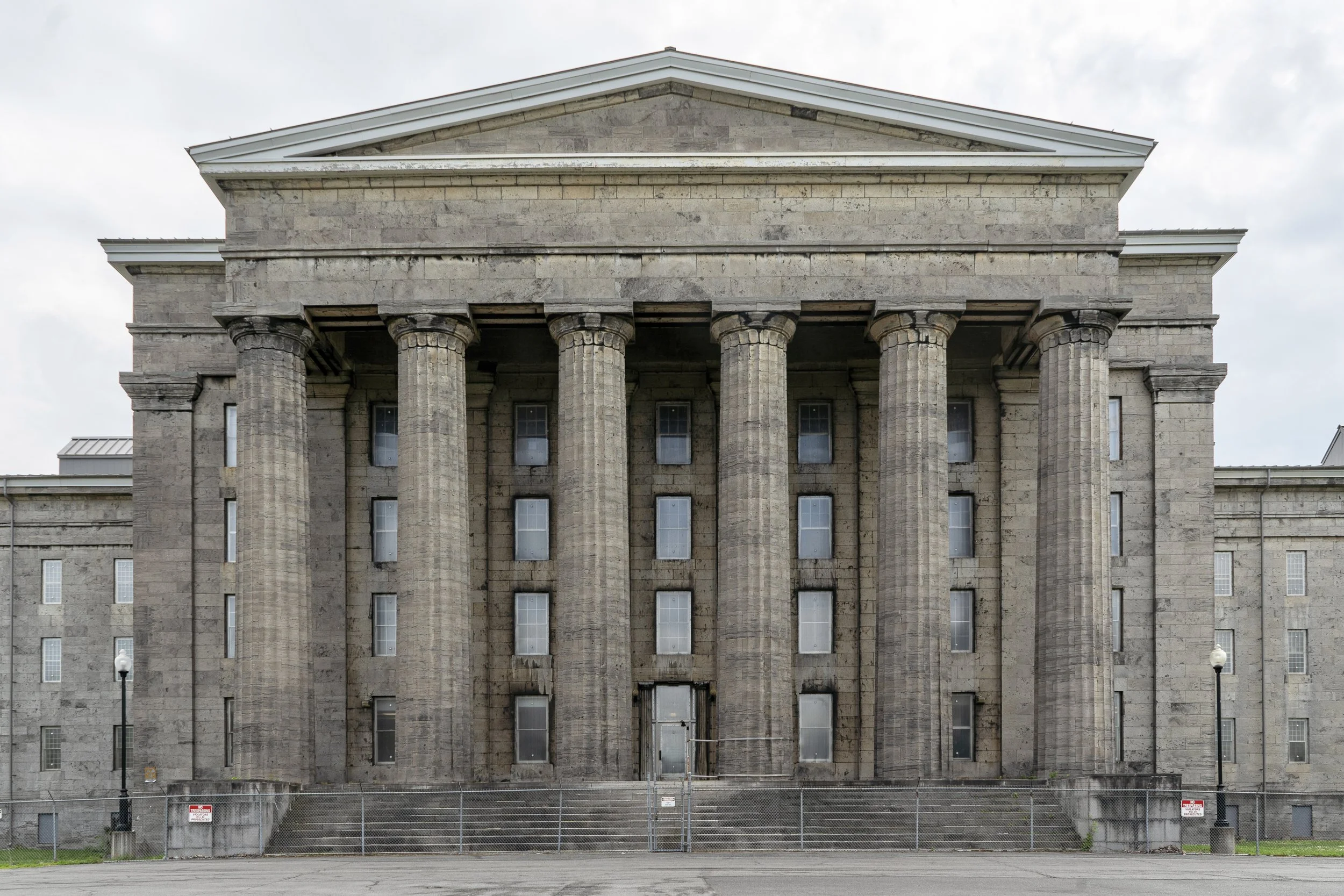
Old Main. Utica State Hospital, Utica, NY
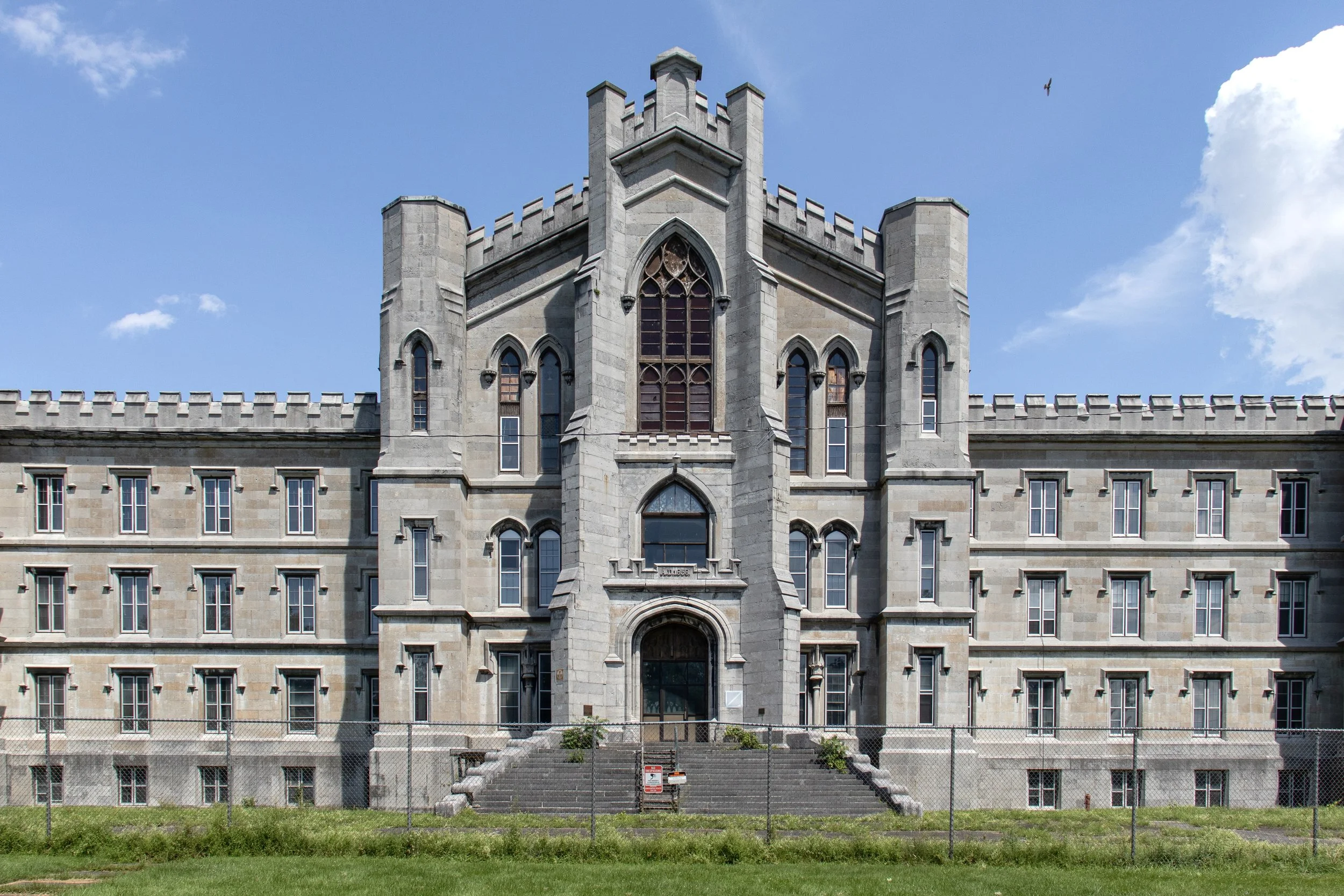
Castle, Binghamton State Hospital, Binghamton, NY

Wall Details. State Hospital, NY
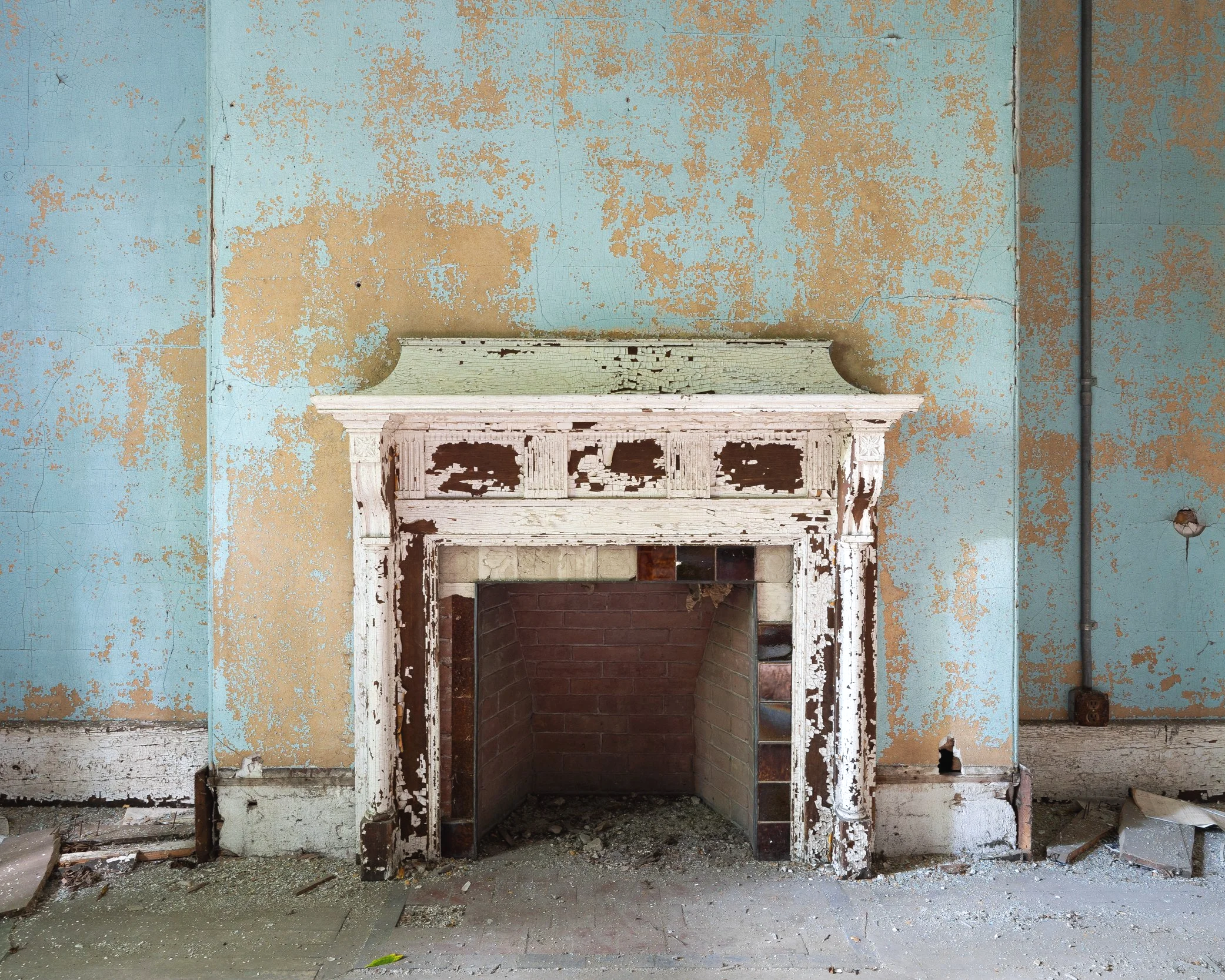
Fireplace. State School, MA
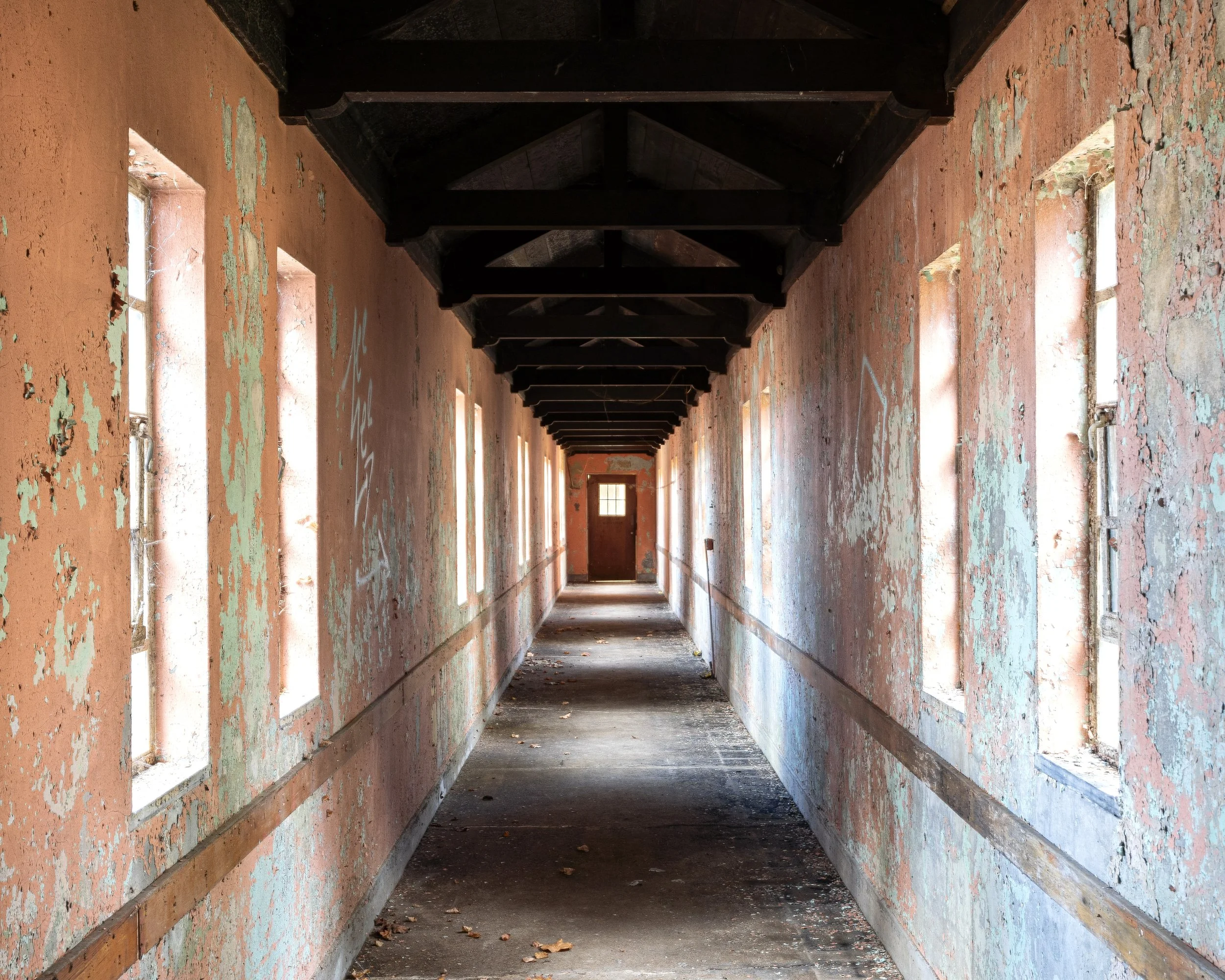
Breezeway. State Hospital, NY
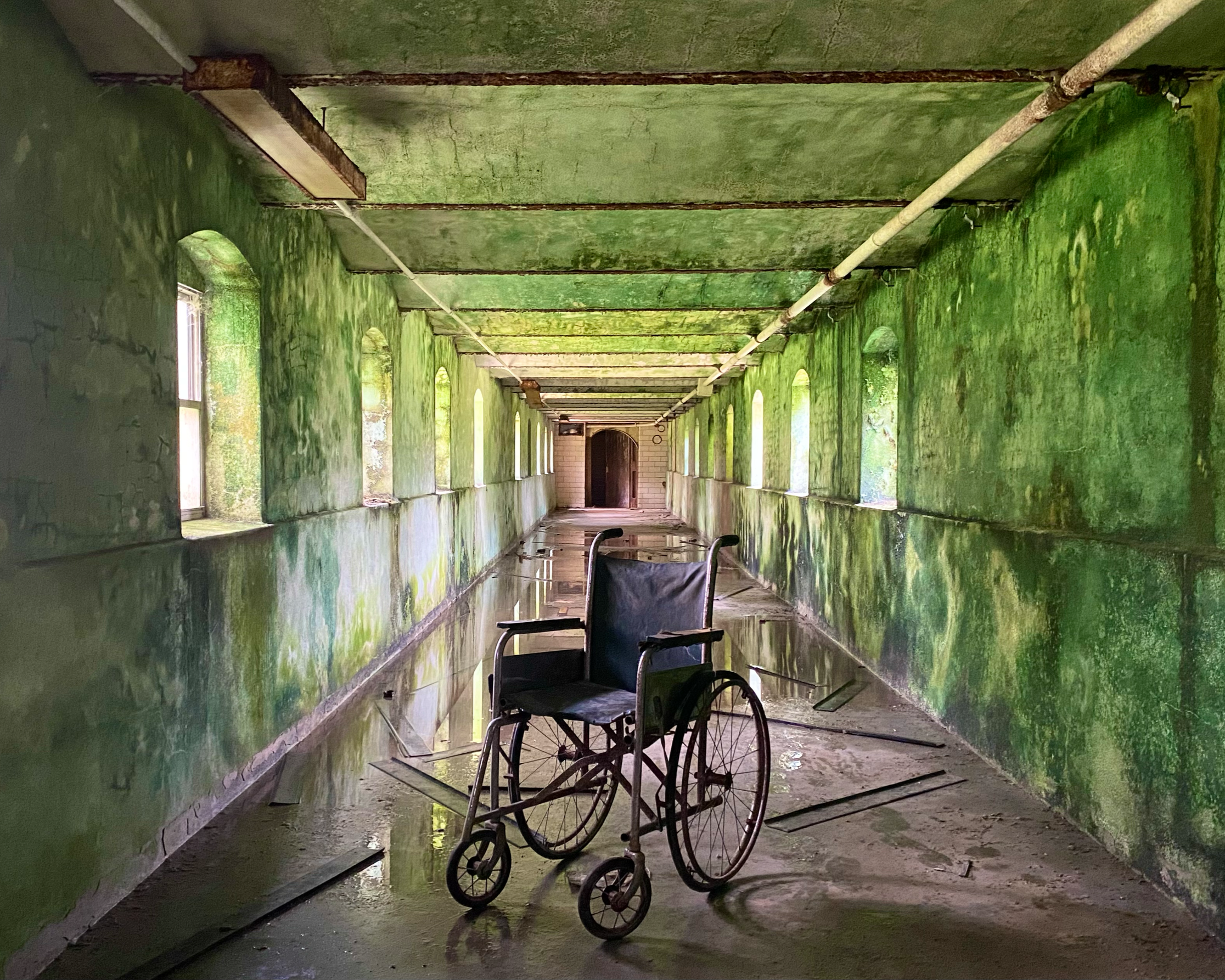
Breezeway. Norristown State Hospital, Norristown, PA
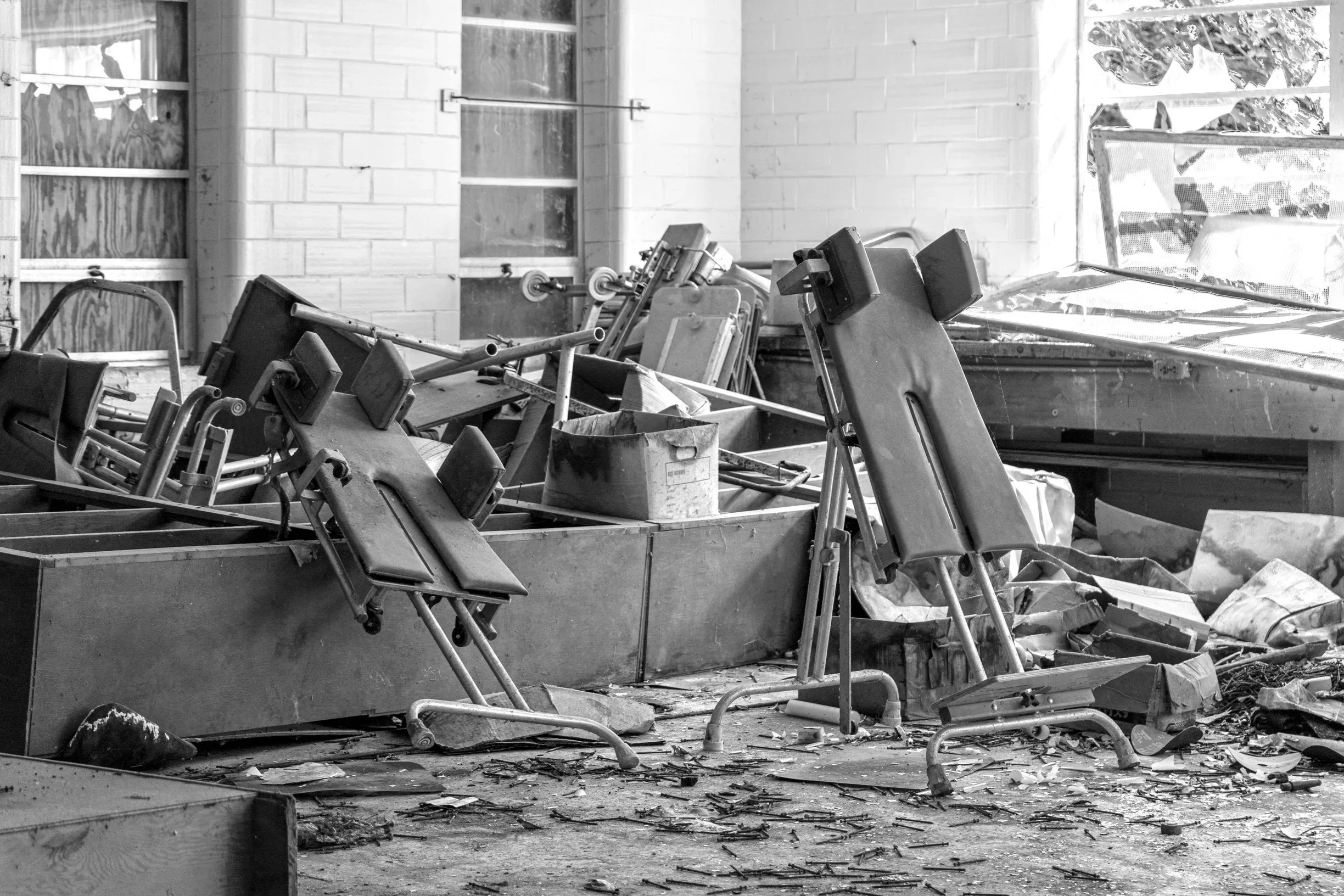
Children's Restraints. Mansfield State Training School & Hospital, Mansfield, CT
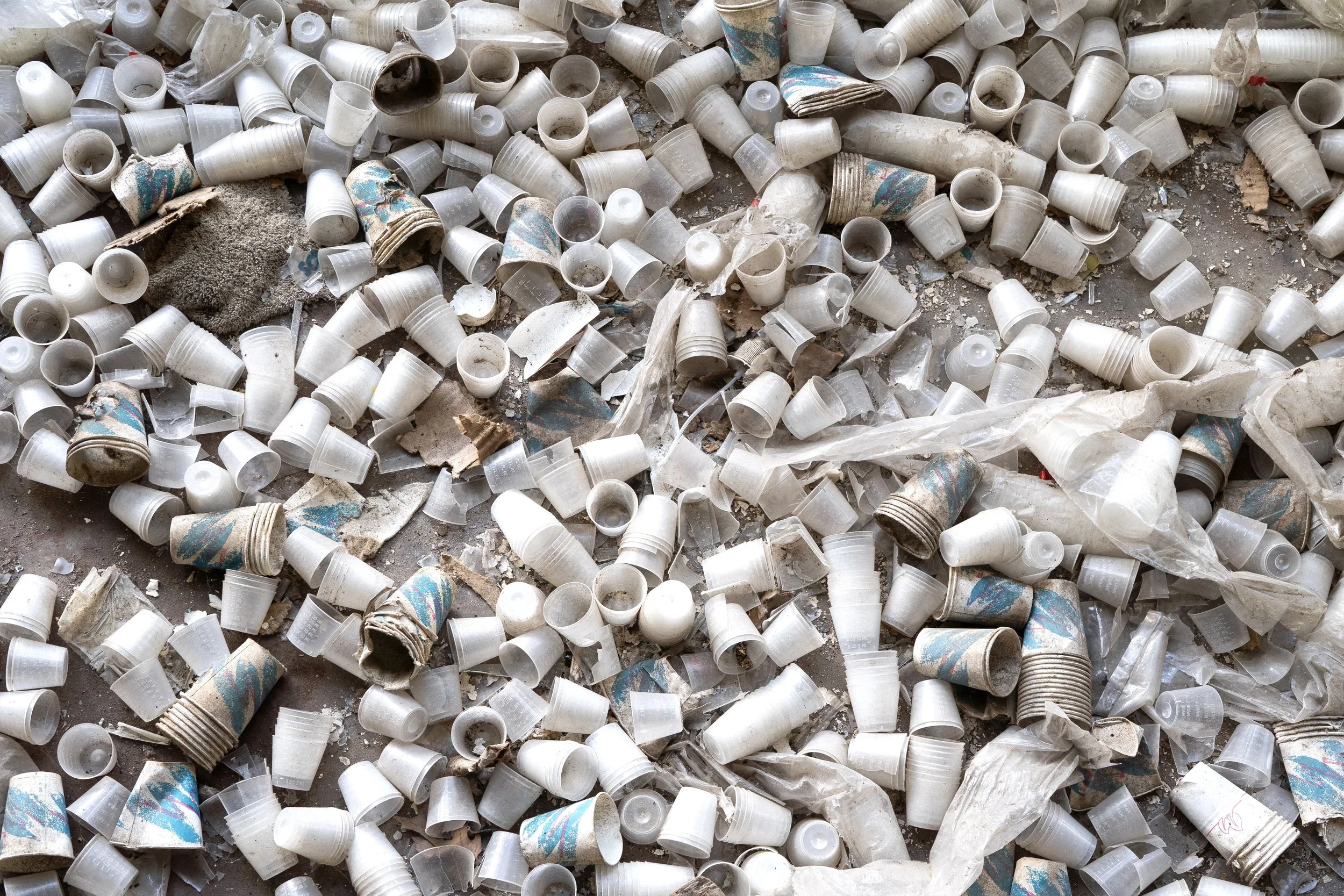
Cup Graveyard. Kings Park State Hospital, Kings Park, NY
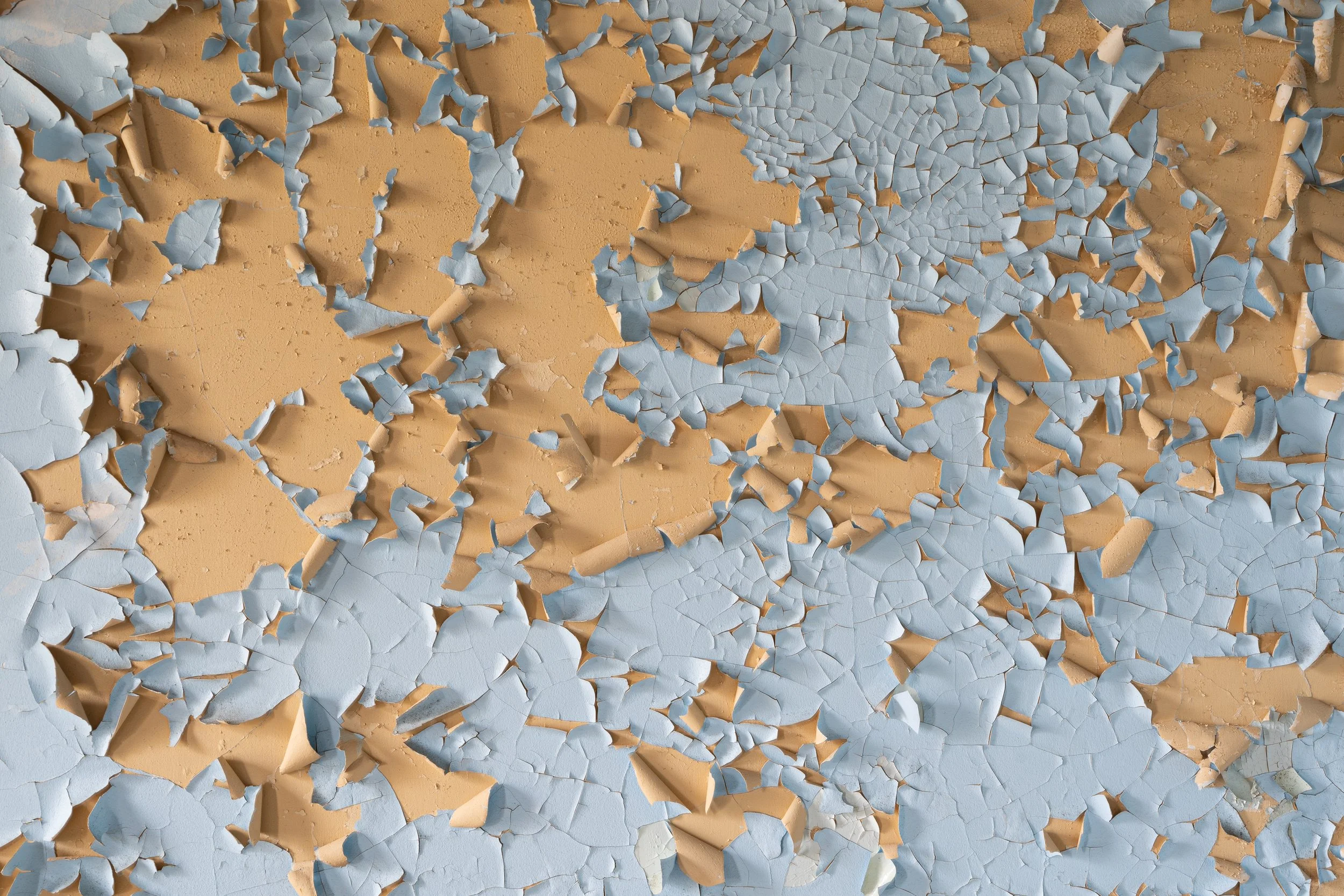
Paint Peels. State School, NY
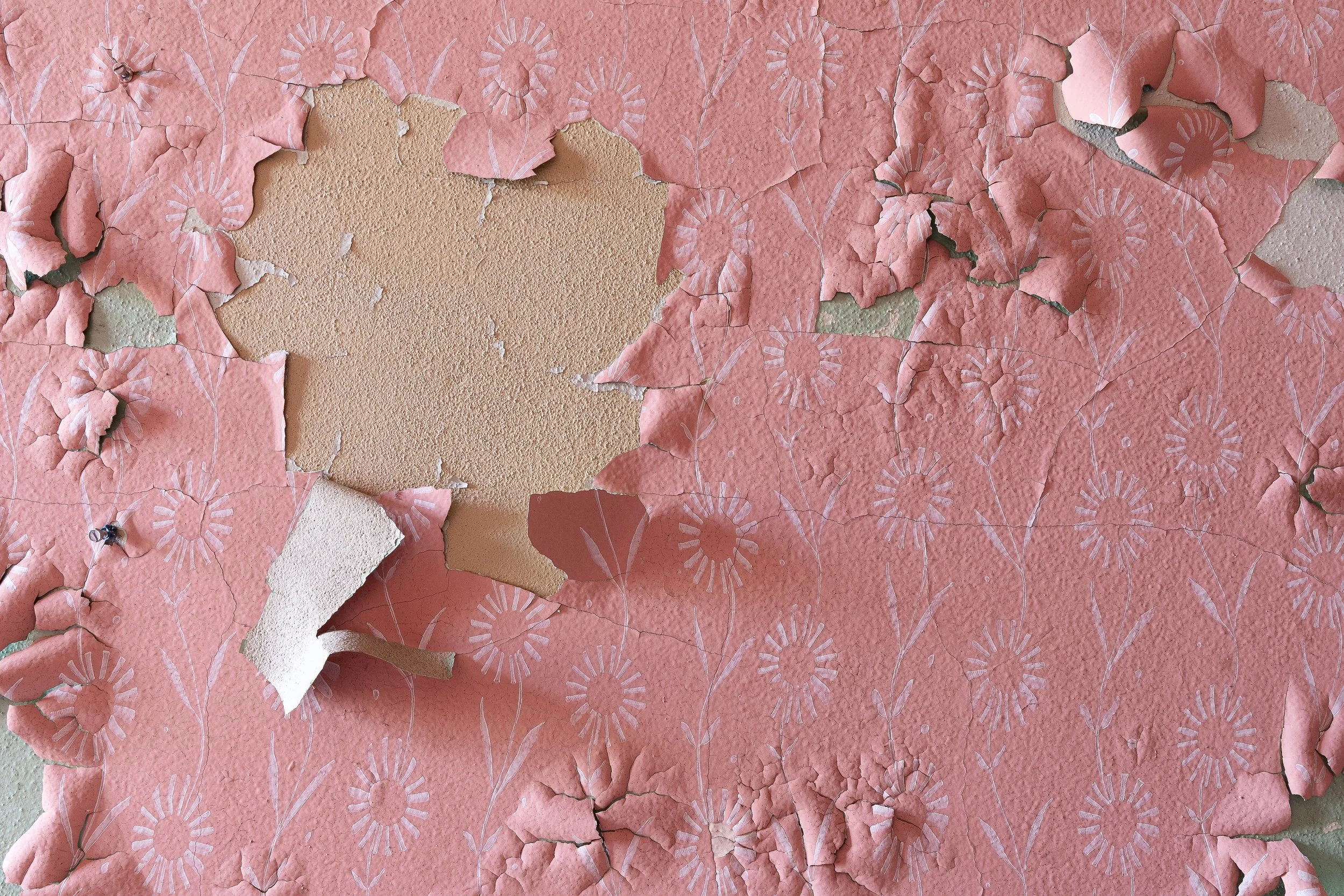
Paint Peels. State School, NY
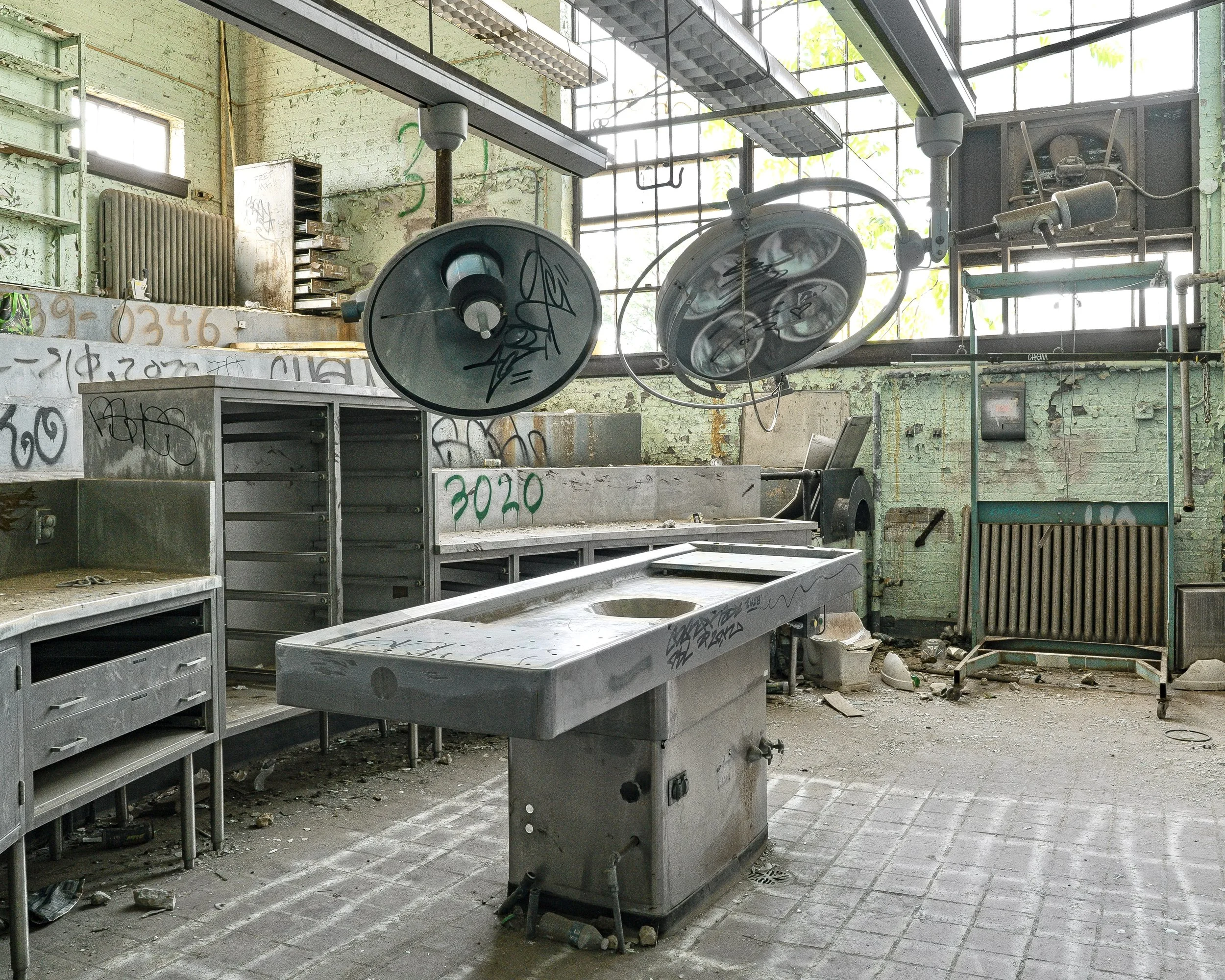
Autopsy Theater. St Elizabeths Government Asylum for the Insane, Washington DC

Surgical Room. Norristown State Hospital, Norristown, PA
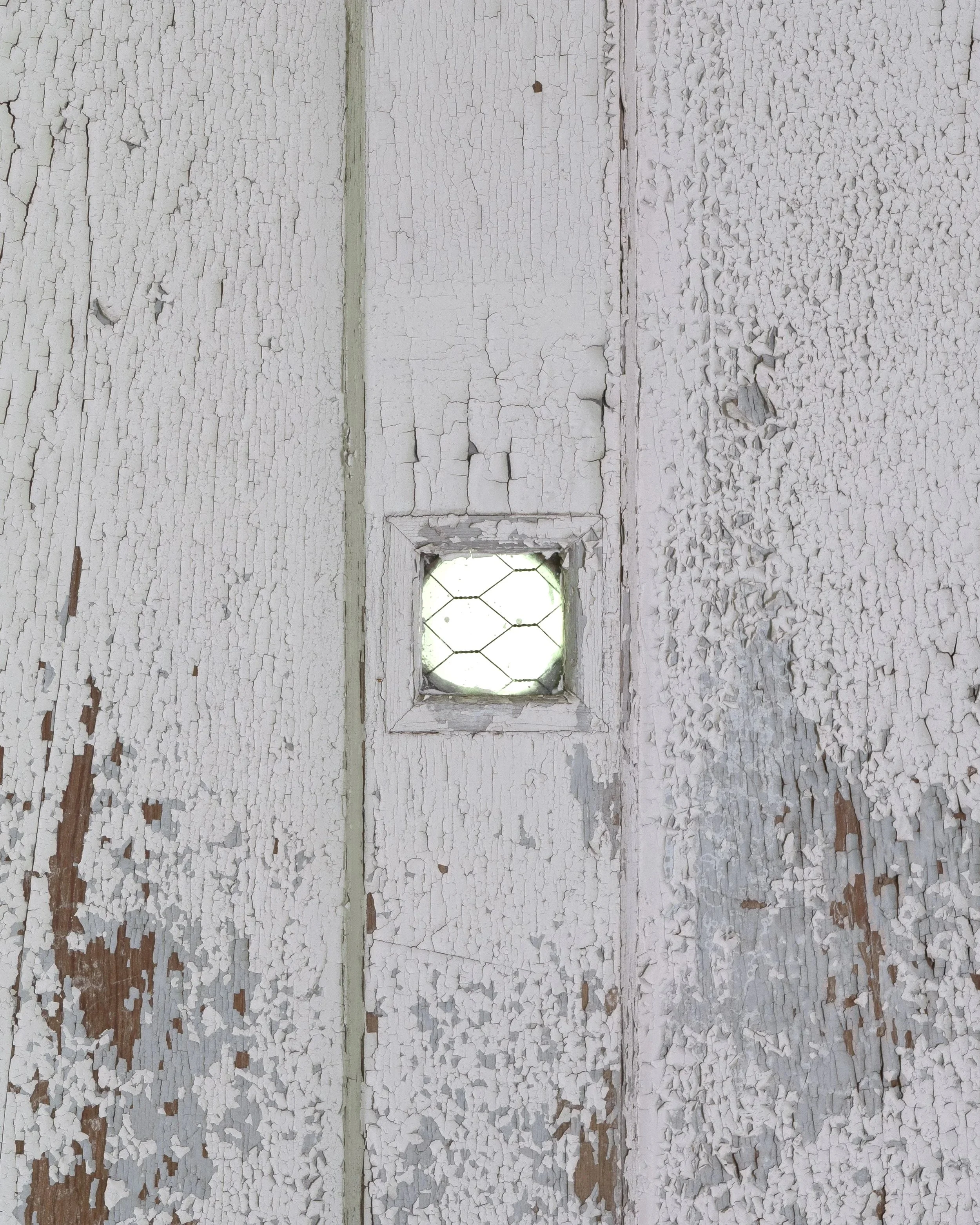
Patient Peep Window. Grafton State Hospital, Grafton, MA
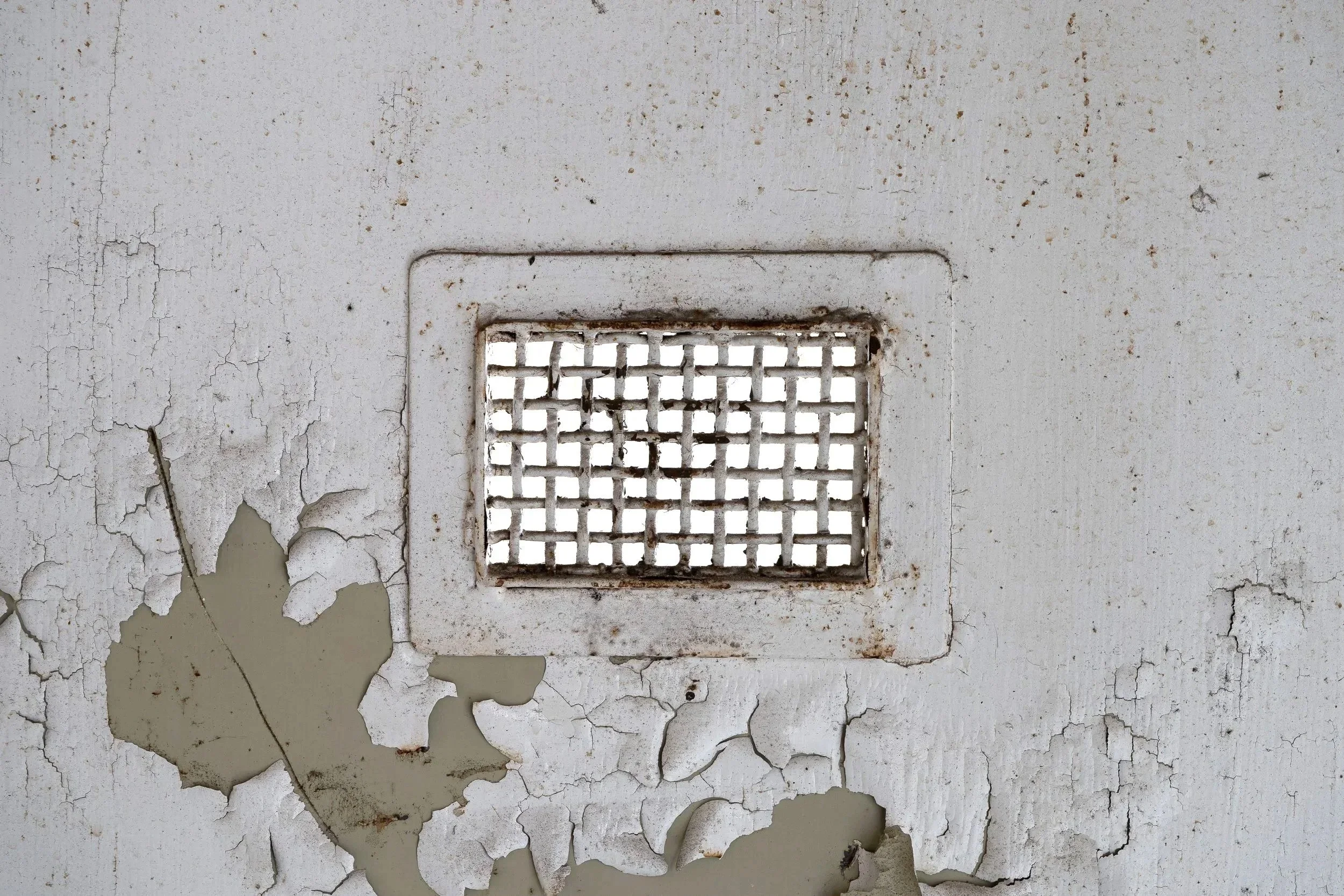
Patient Peep Window. State Hospital, VA
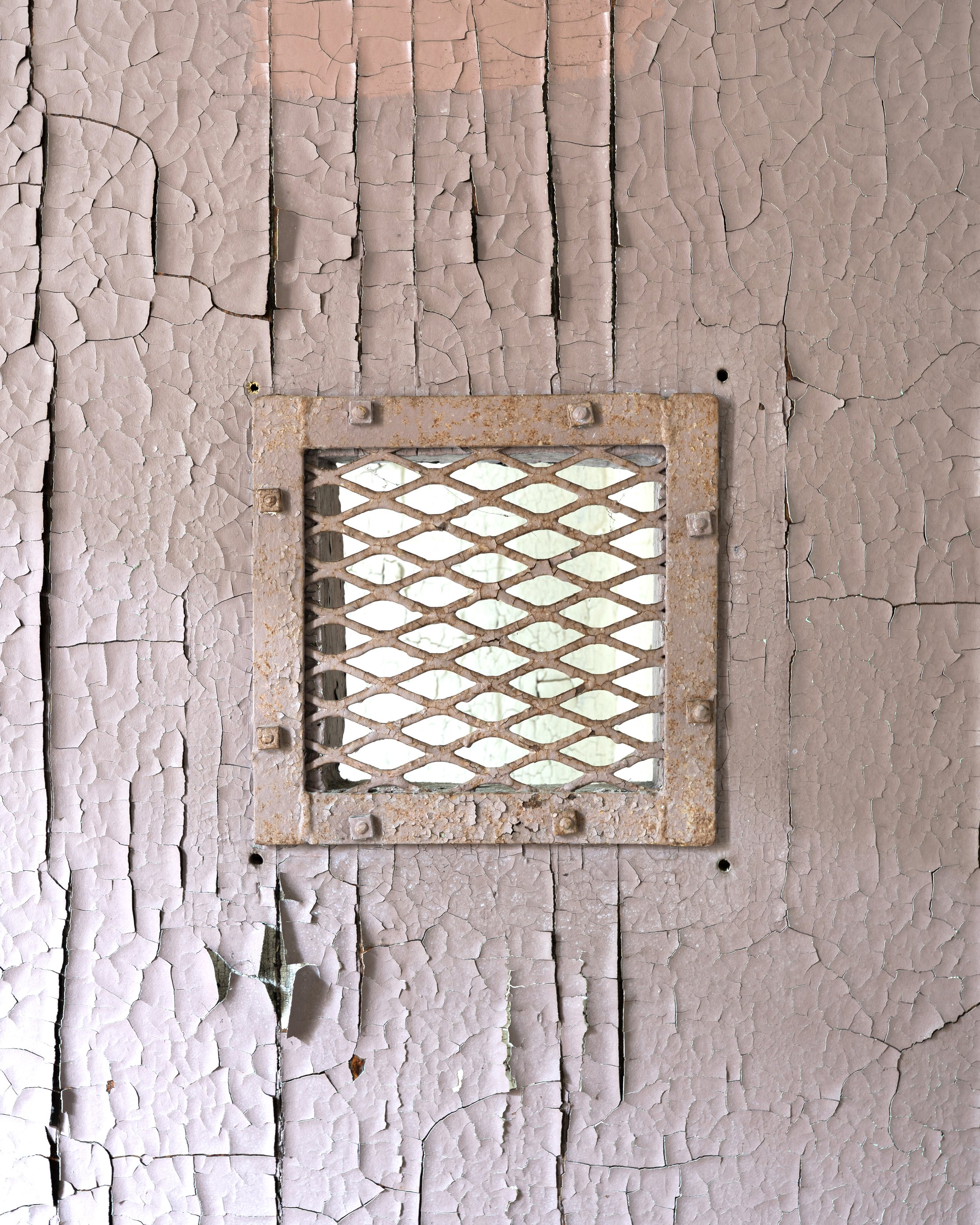
Patient Peep Window. State Hospital, MD
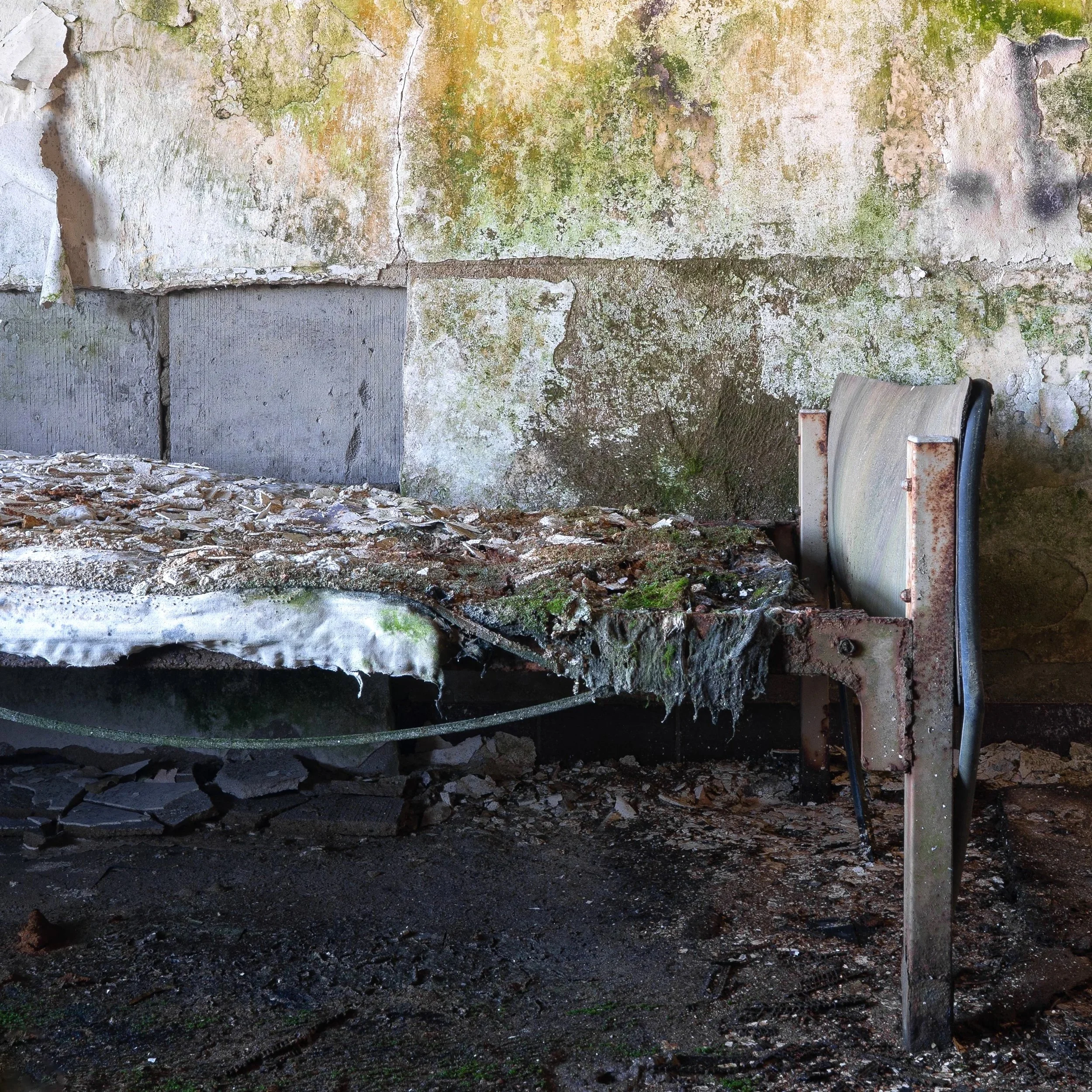
Patient Bed. Laconia State School, Laconia, NH
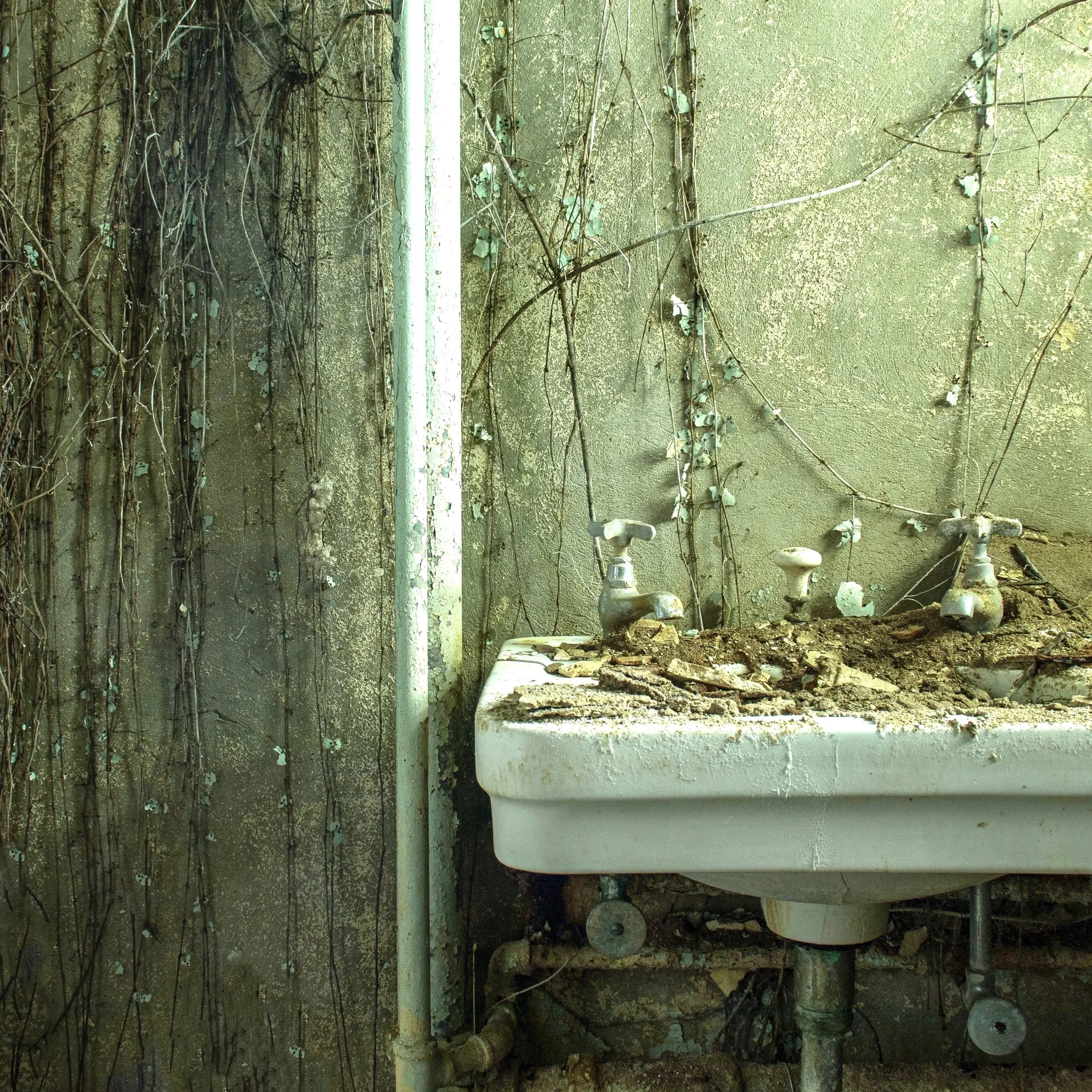
Overgrown Sink. State Hospital
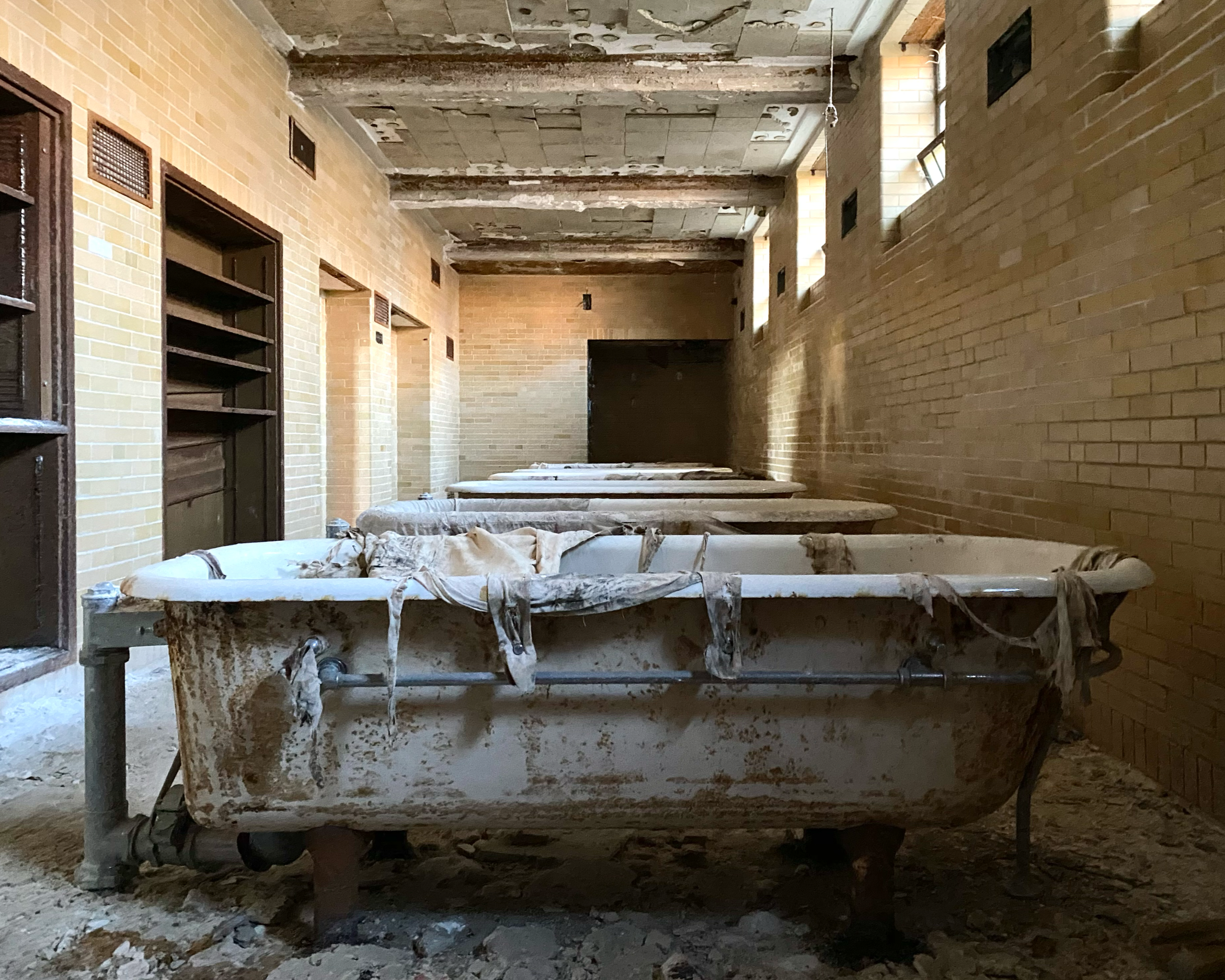
Hydrotherapy Tubs. Grafton State Hospital, Grafton, MA
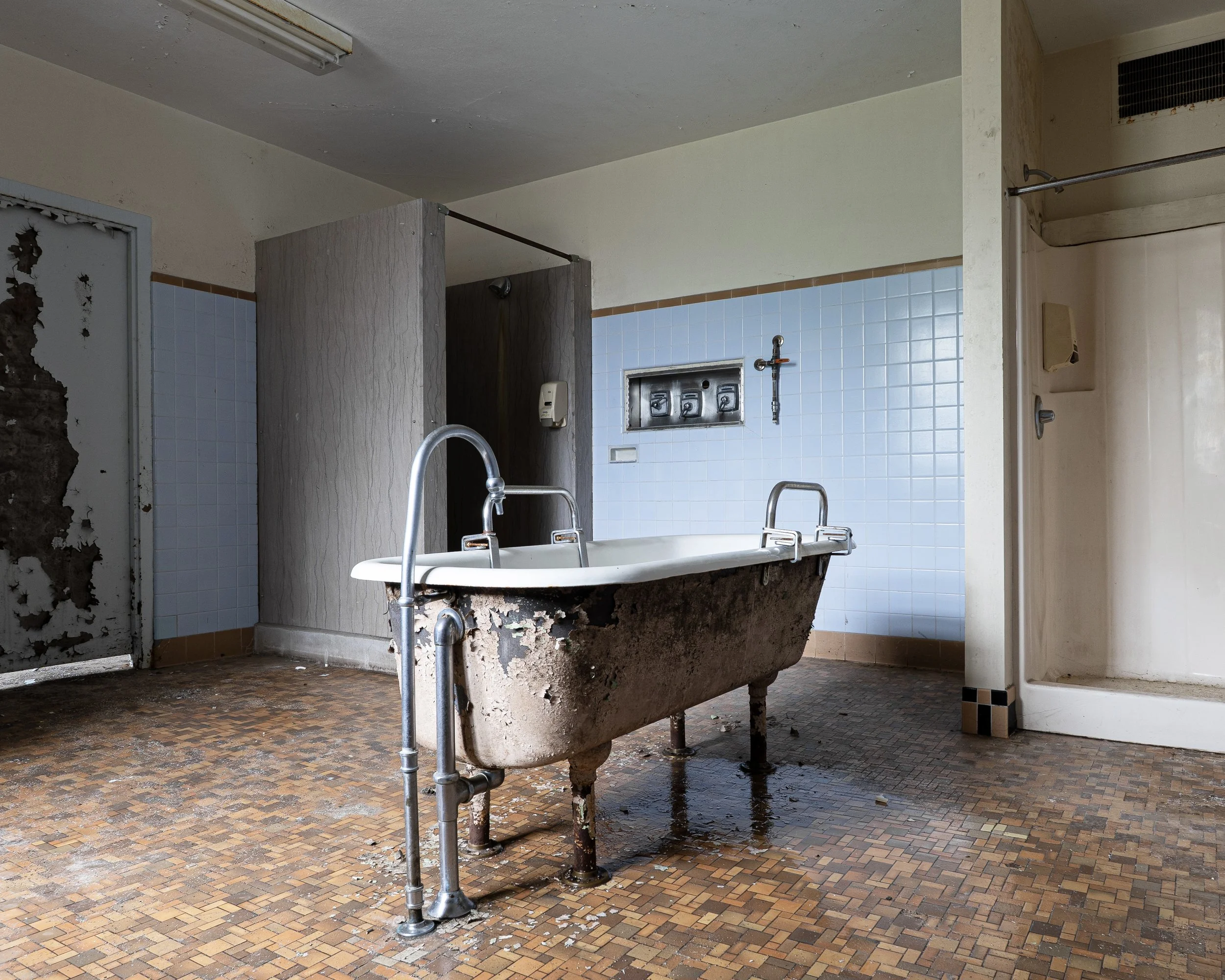
Hydrotherapy Tub. Fairfield Hills State Hospital, Newtown, CT
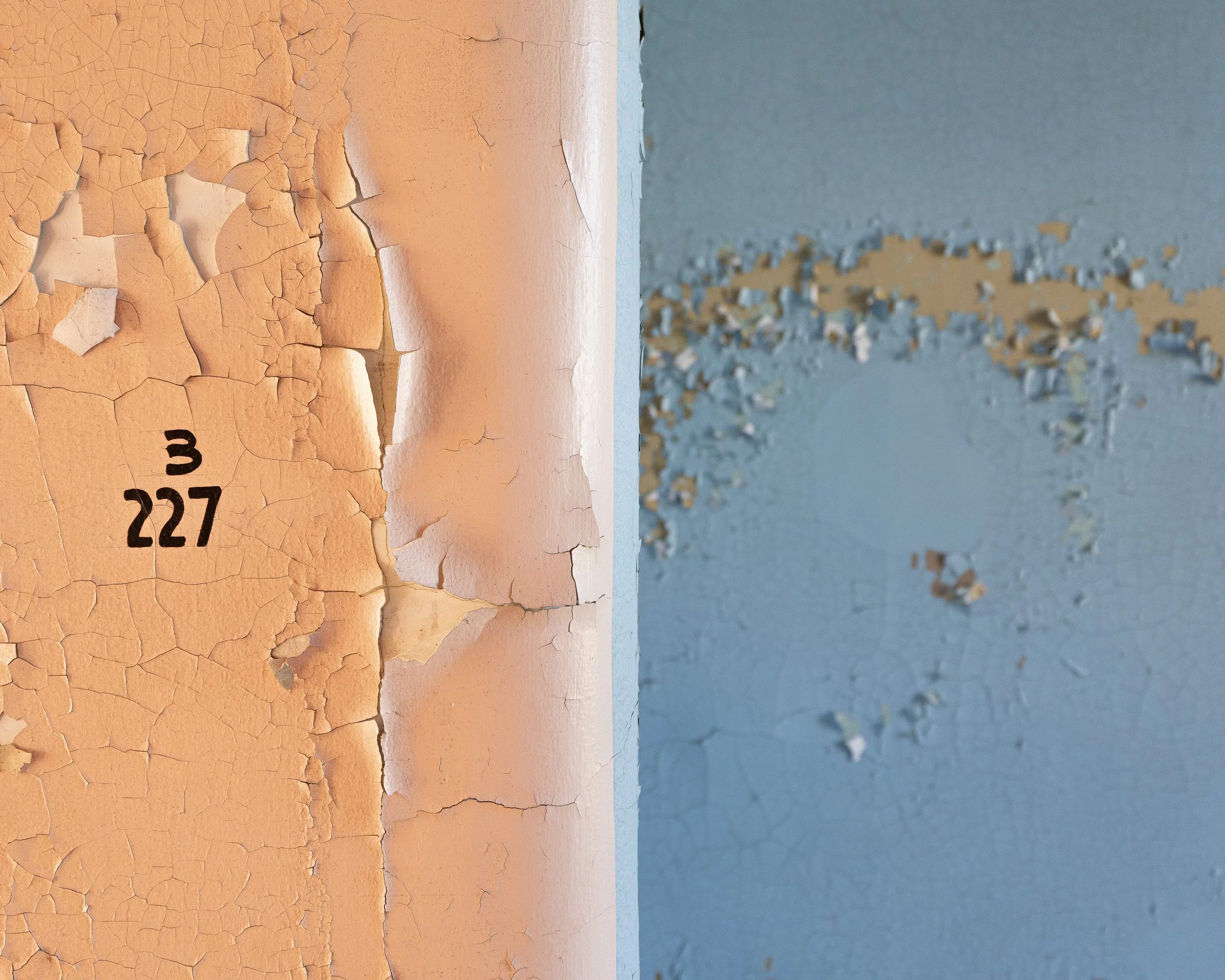
Pastel Room Number Details. State Hospital
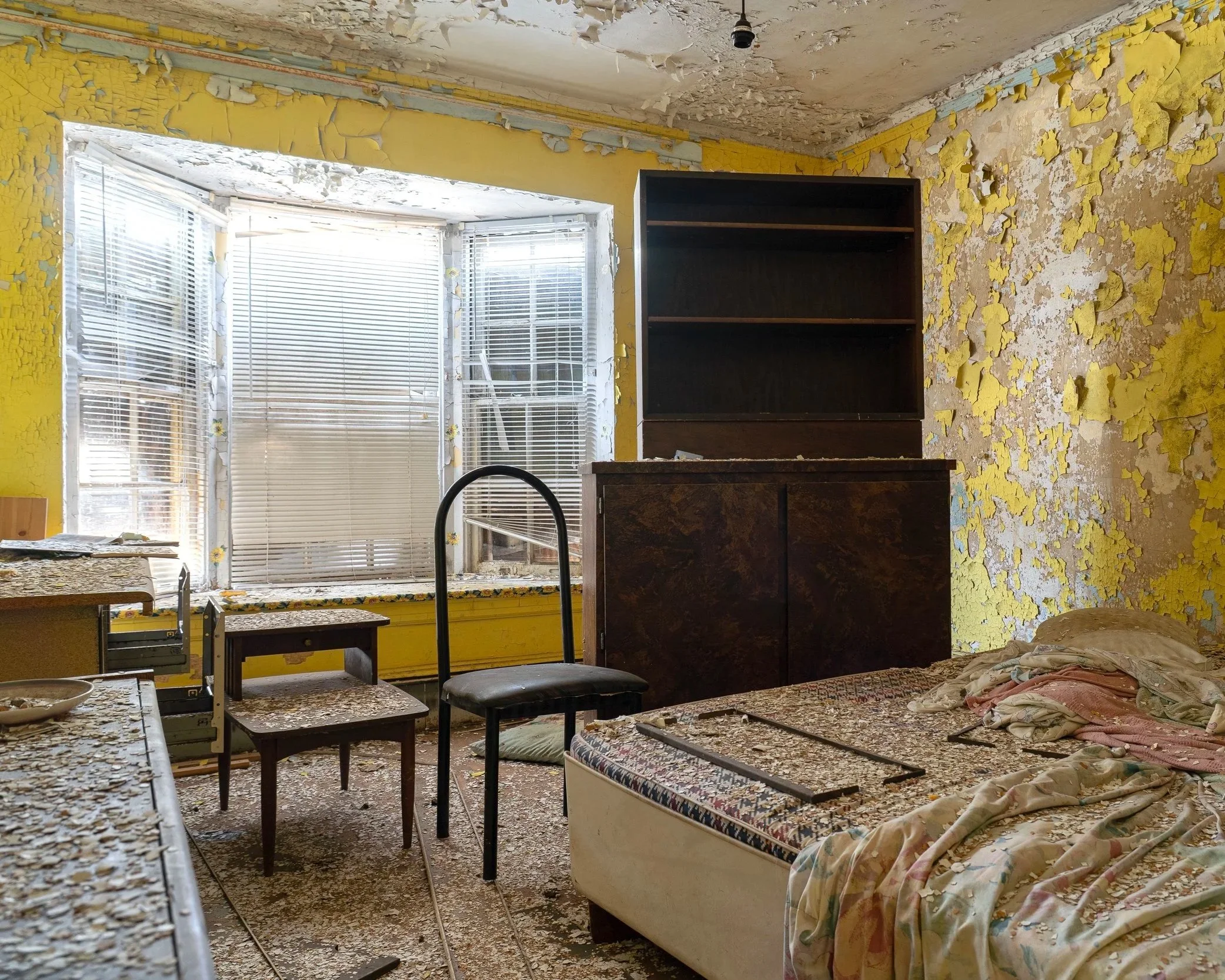
Nurses' Residence. Rockland State Hospital, Orangeburg, NY
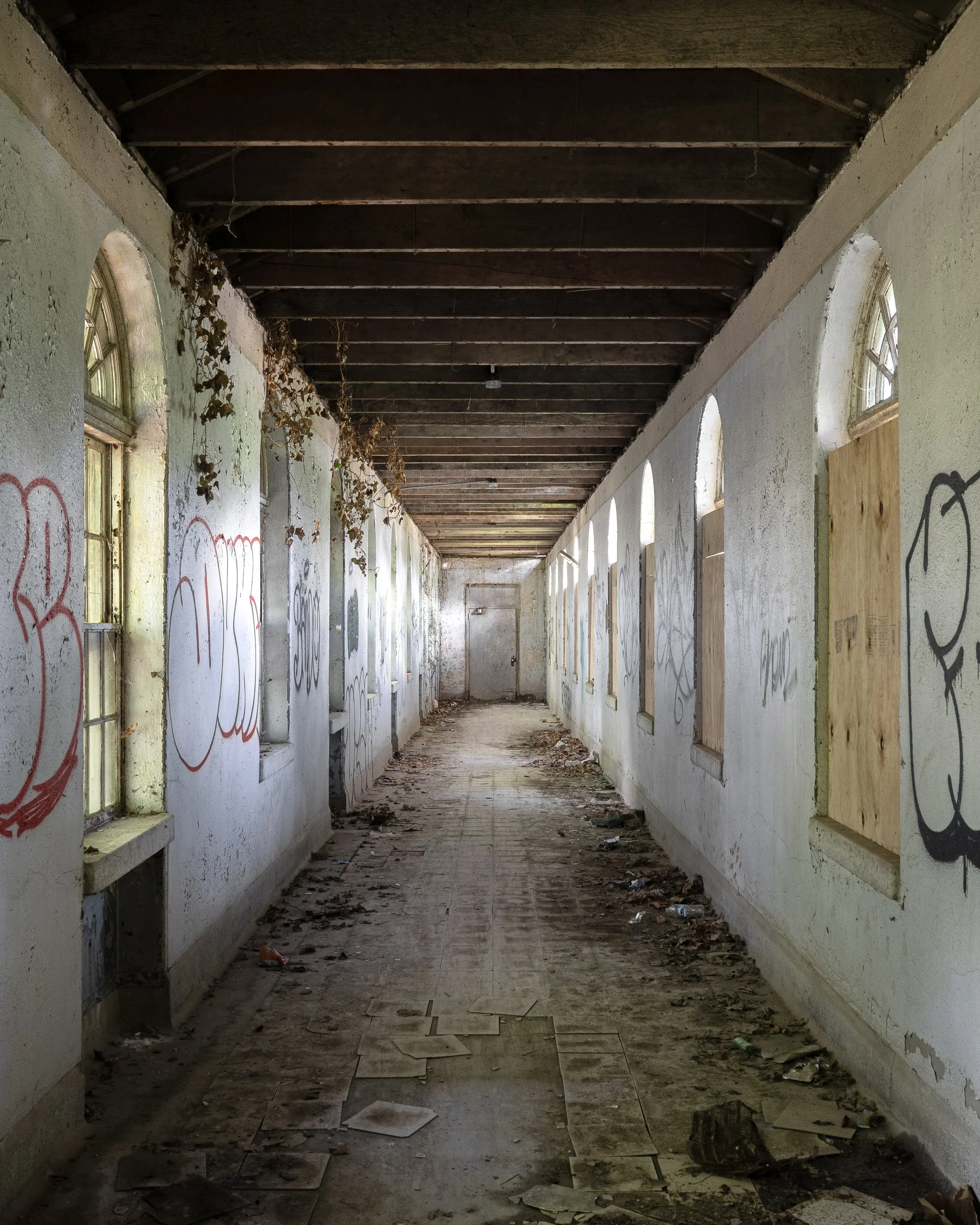
Breezeway. St Elizabeth's Government Asylum for the Insane, Washington DC
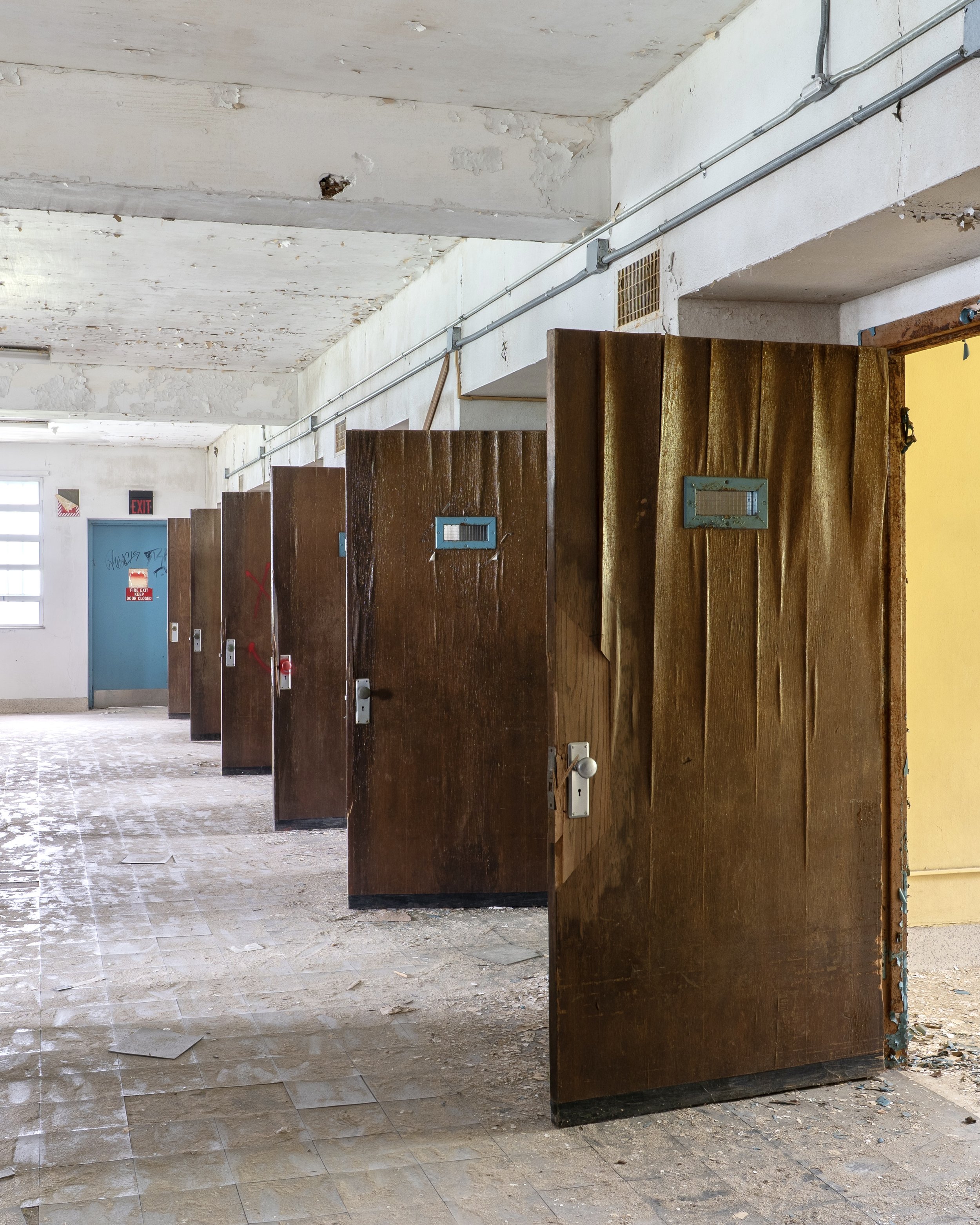
Patient Ward. Fairfield Hills State Hospital, Newtown, CT
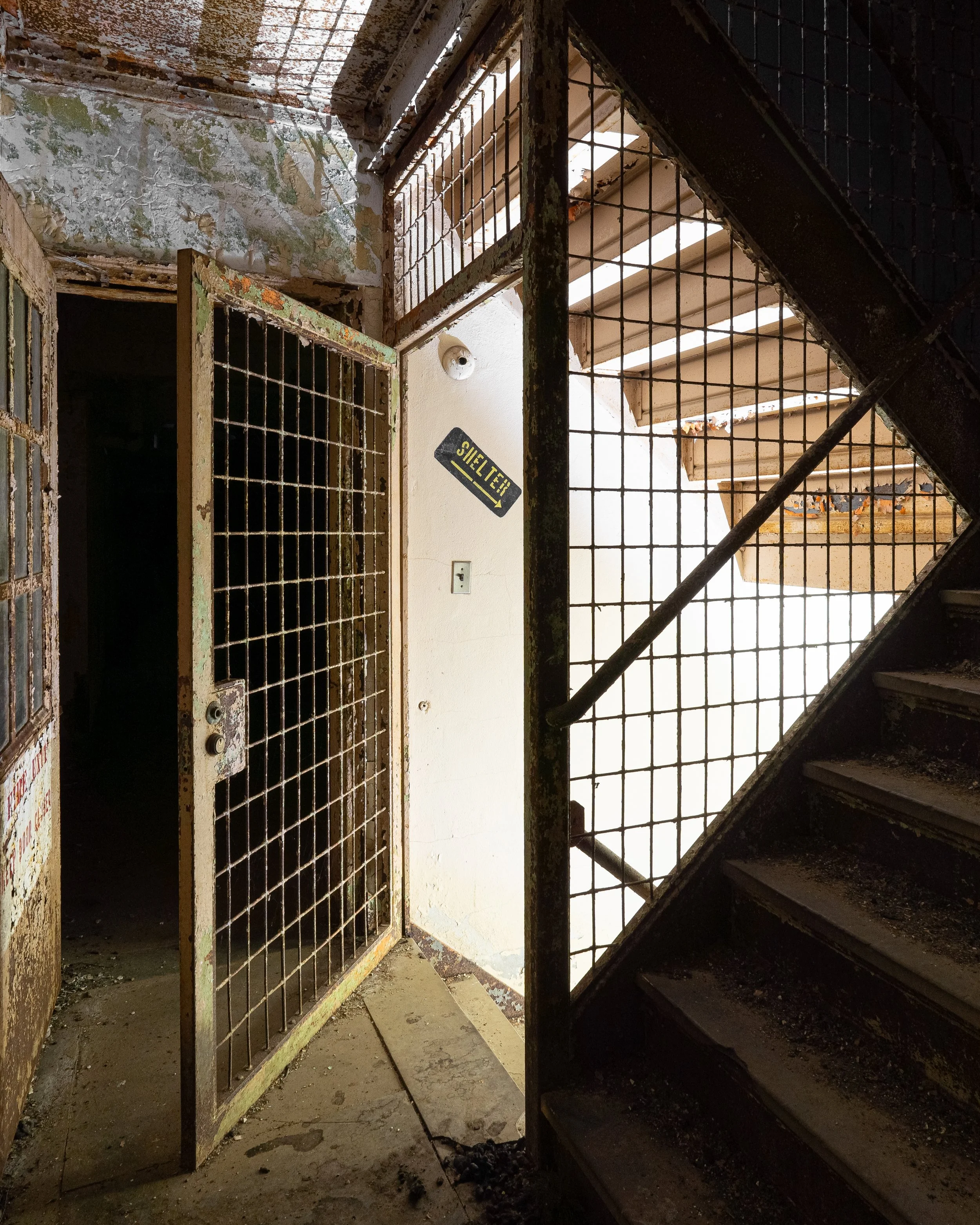
Caged Stairwell. State School, NY
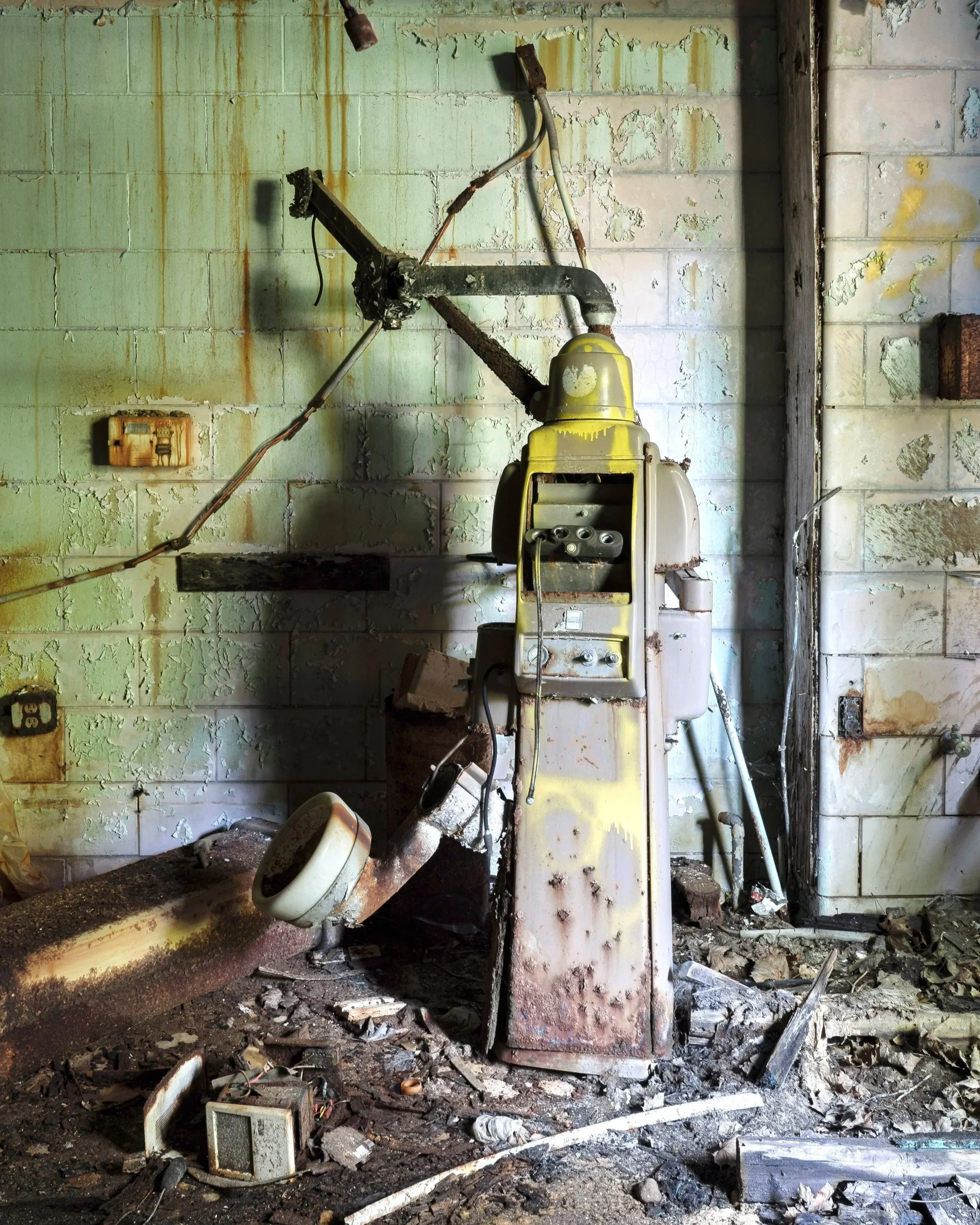
Forgotten Dental Equipment. Mansfield State Training School & Hospital, Mansfield, CT
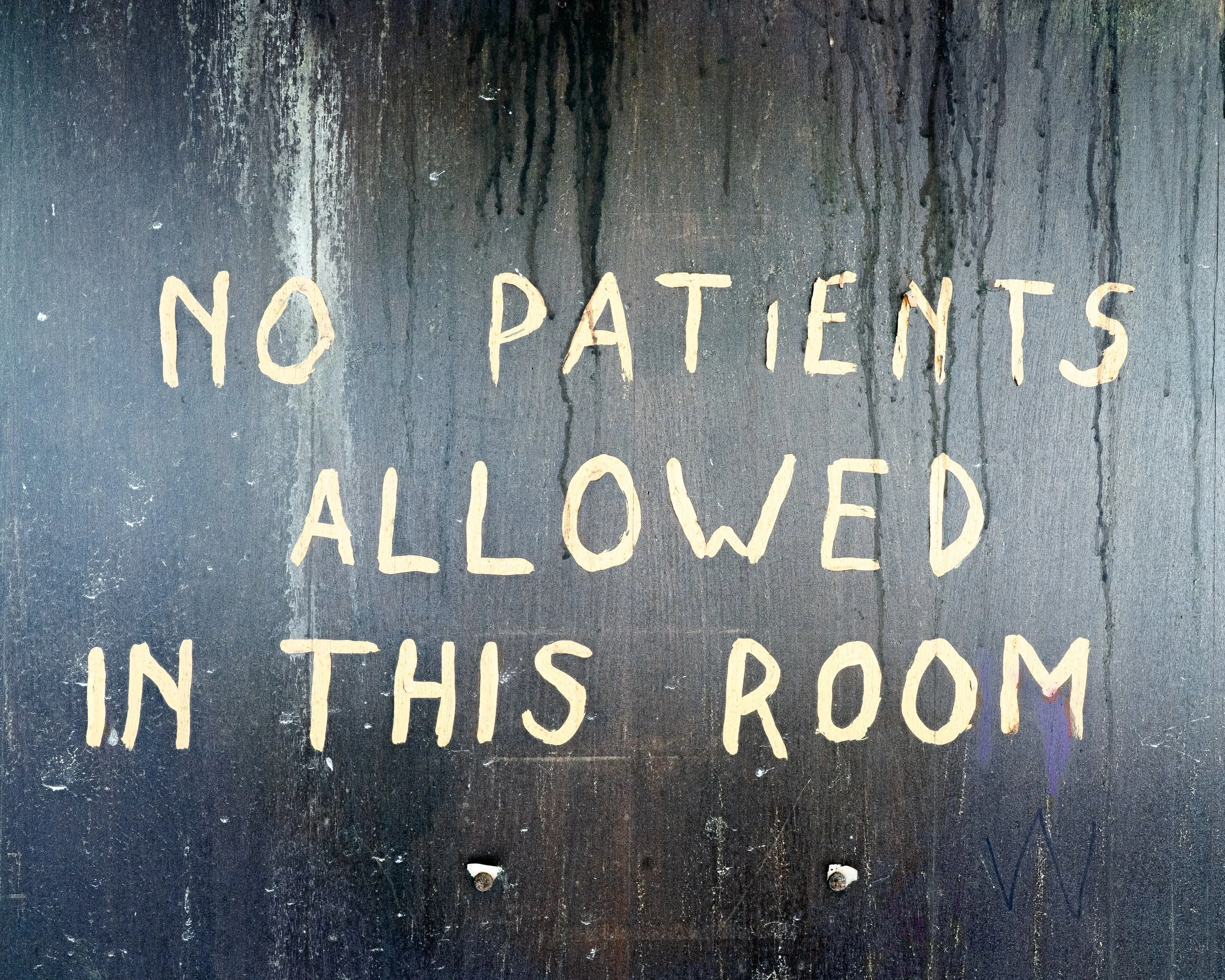
No Patients Allowed, Creedmoor State Hospital, Queens, NY
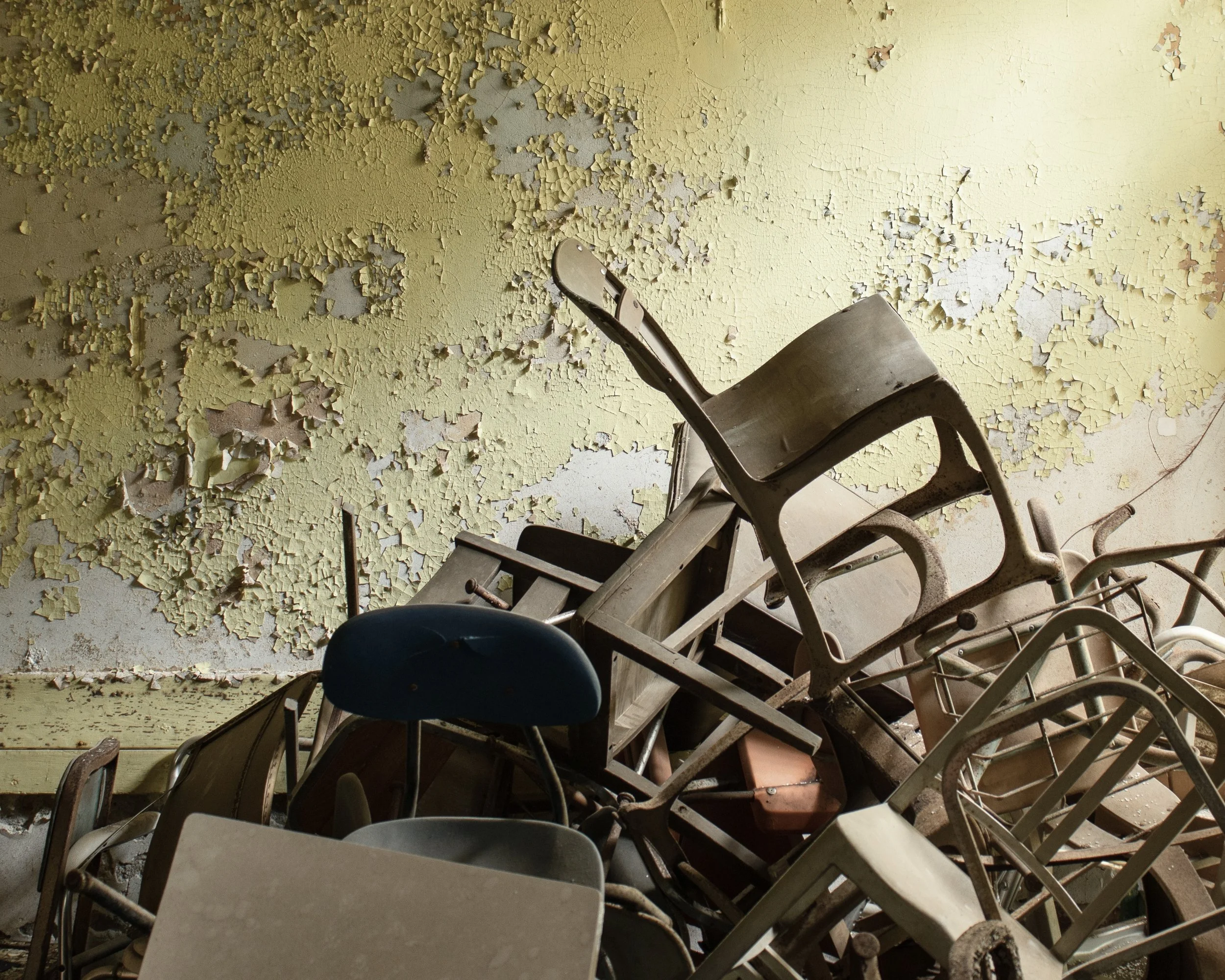
Chairs & Desk Pile, Fernald State School, Waltham, MA
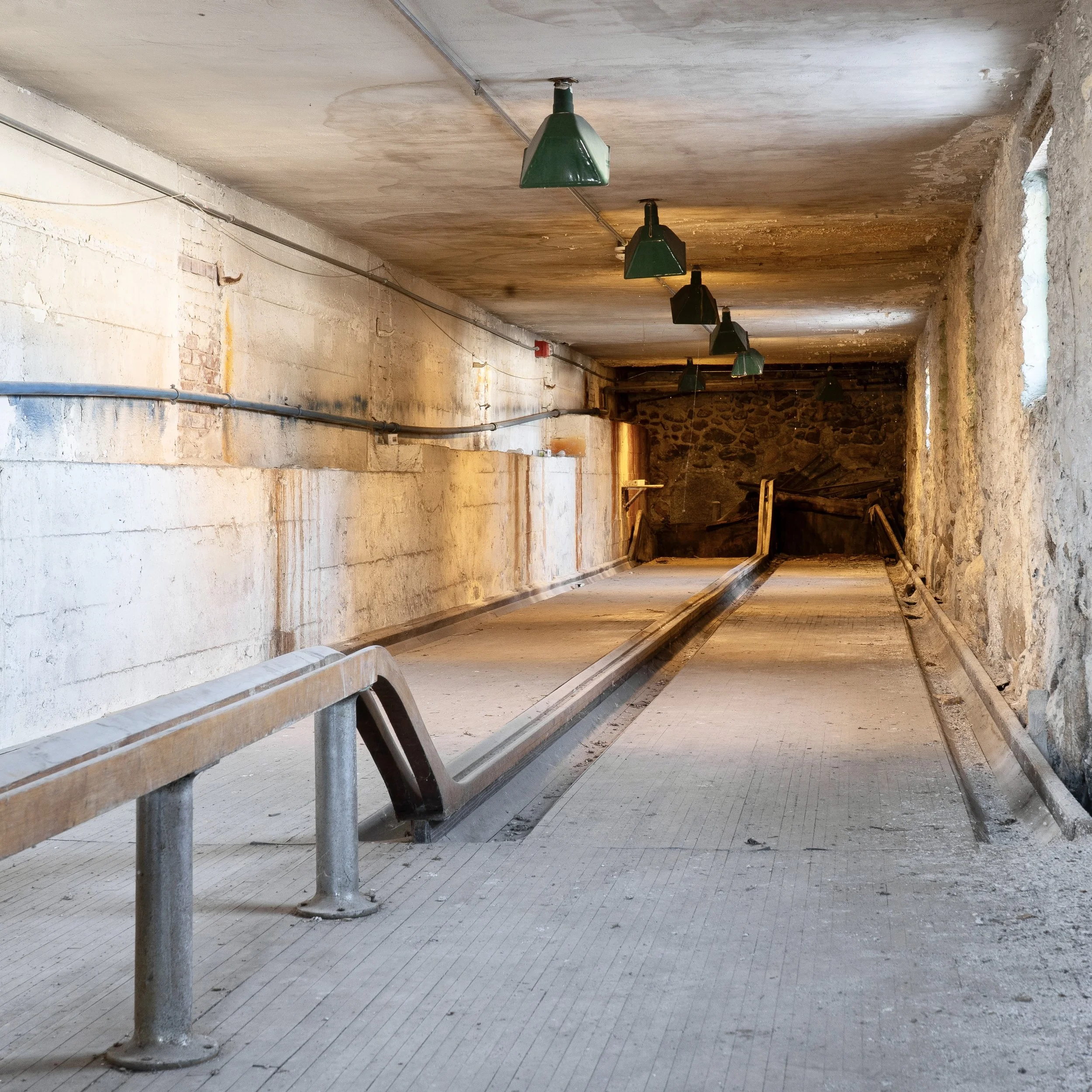
Staff Bowling Alley. Tewksbury State Hospital, Tewksbury, MA
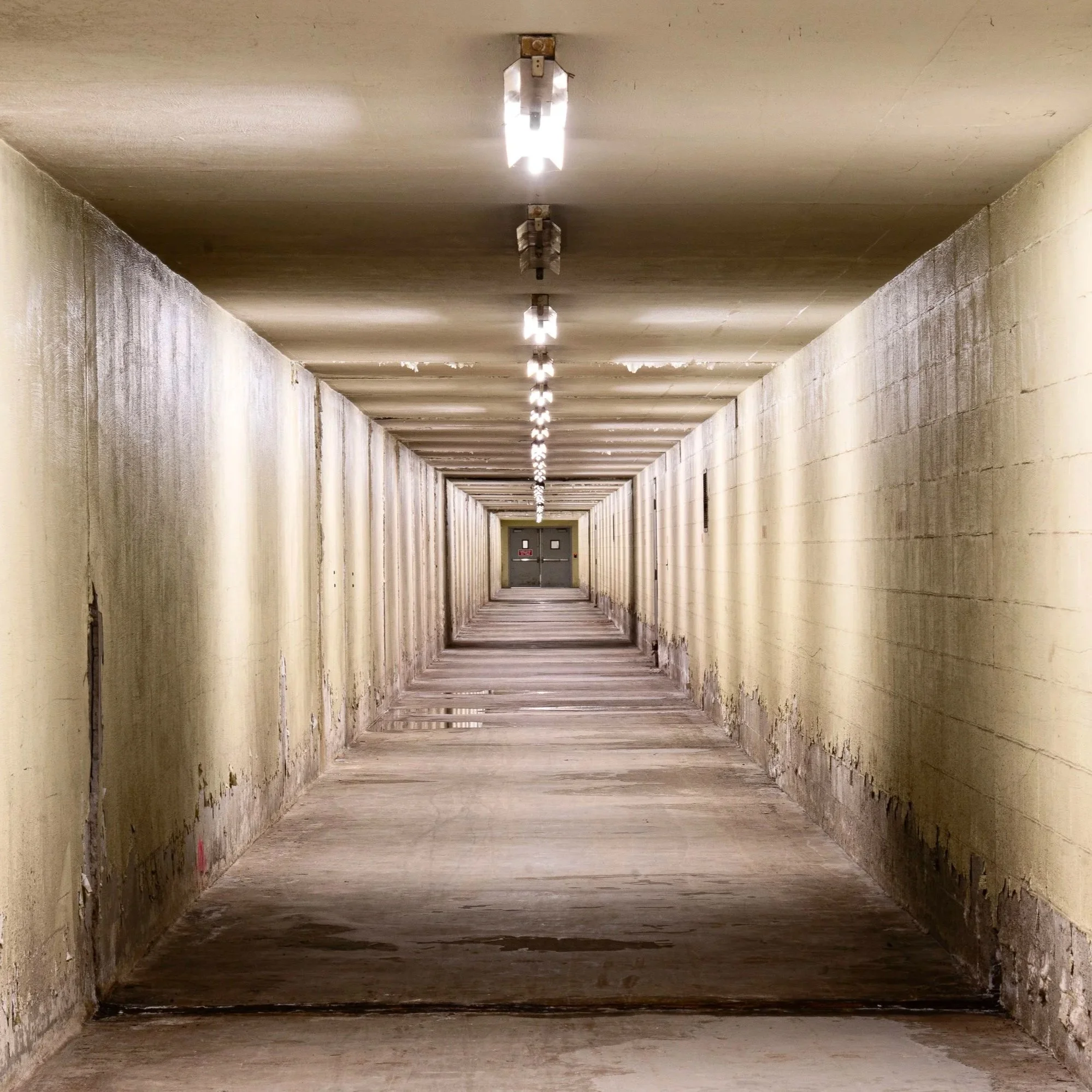
Food Transport Tunnel. State Hospital
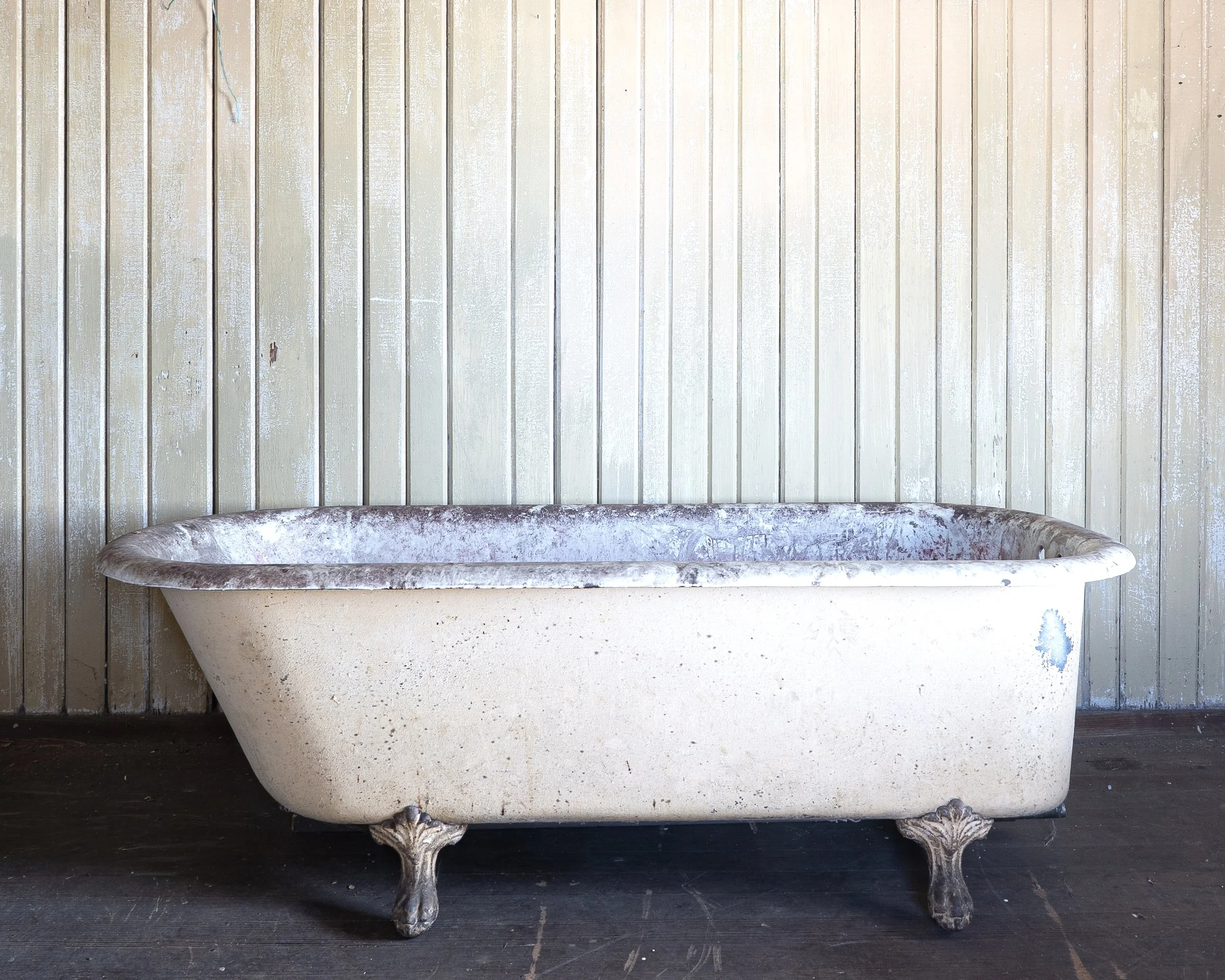
Attic Bathtub, Tewksbury State Hospital, Tewksbury, MA
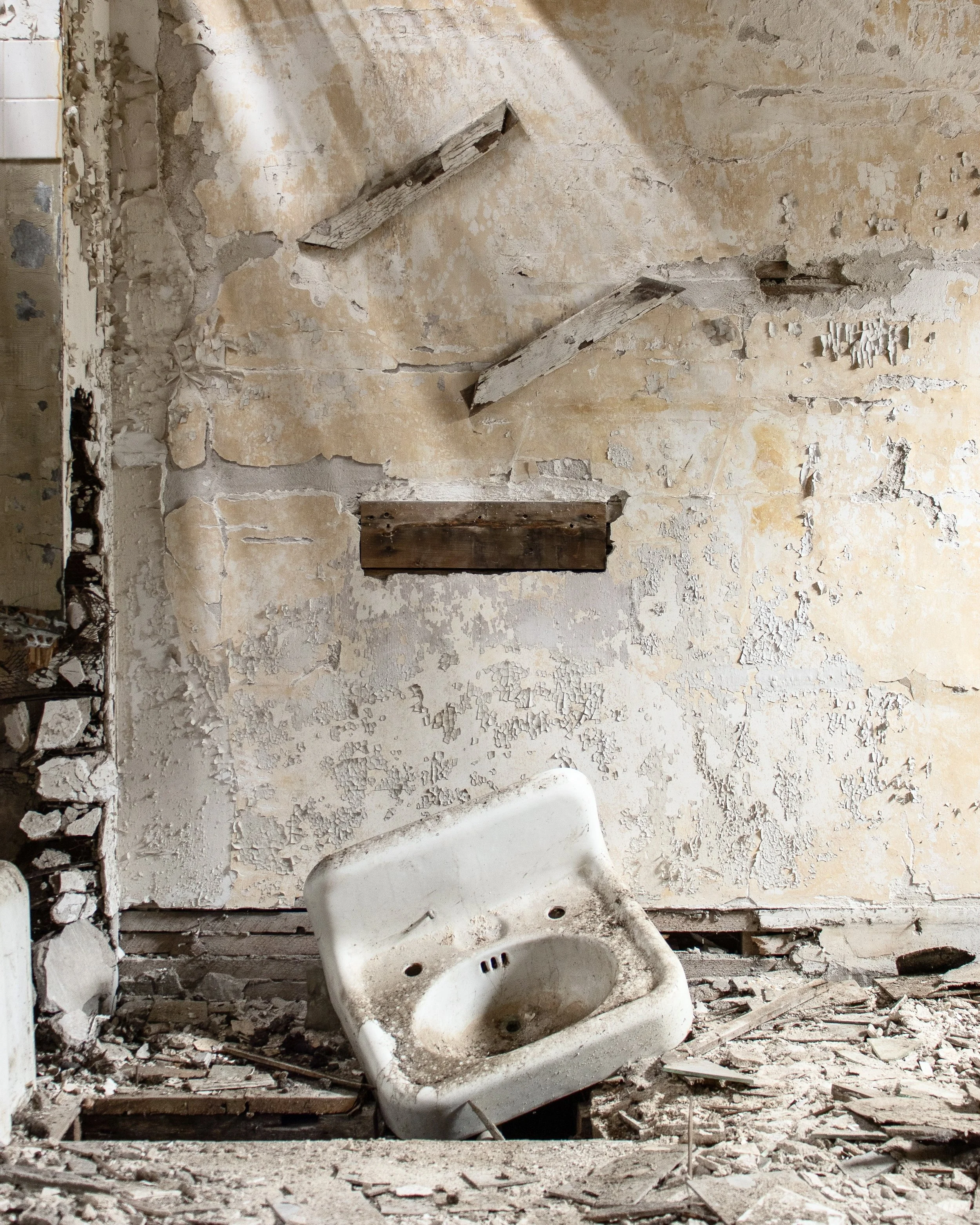
Light Sinking In, Hudson River State Hospital, Poughkeepsie, NY
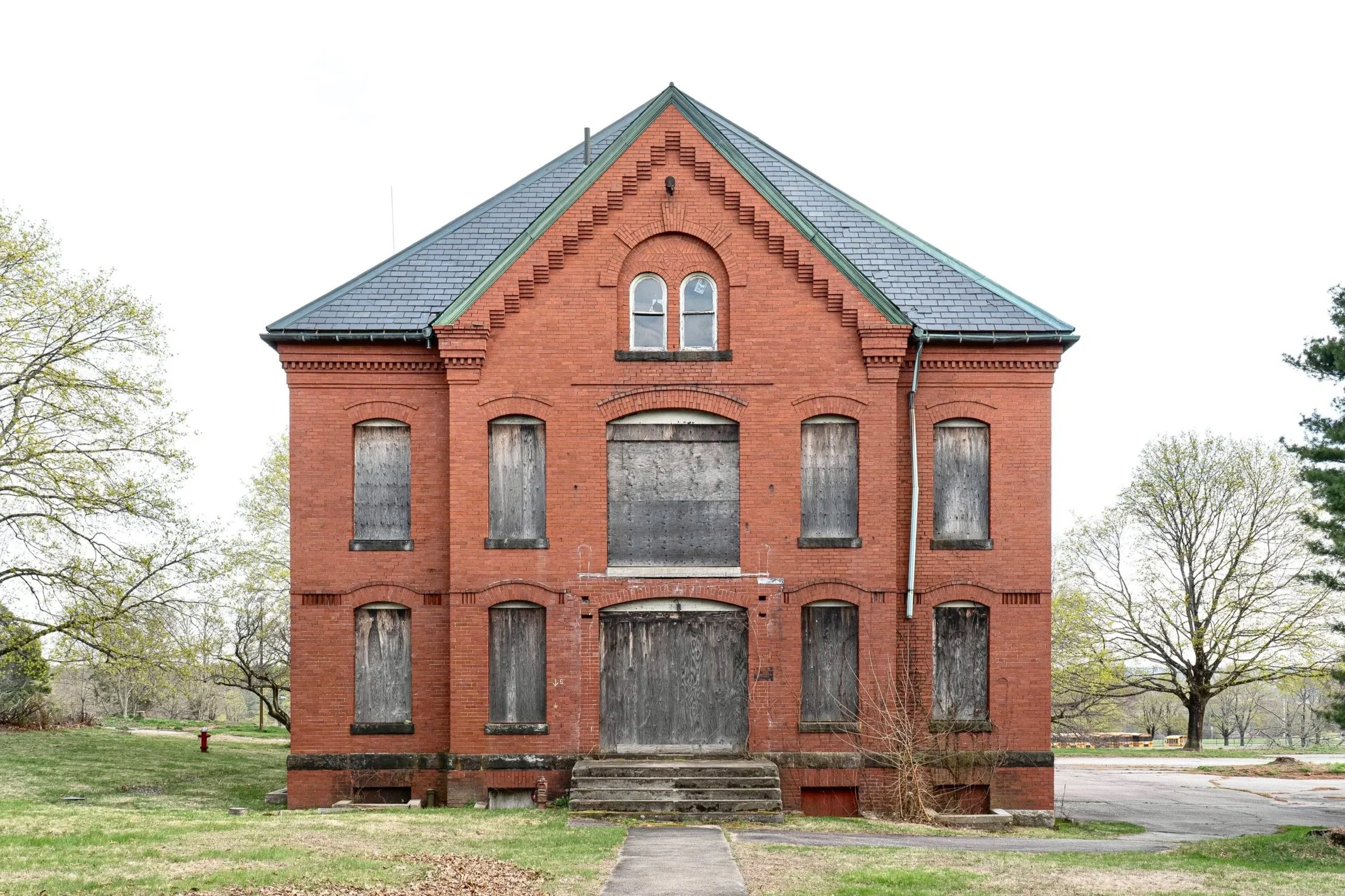
Administration Building. Medfield State Hospital, Medfield, MA
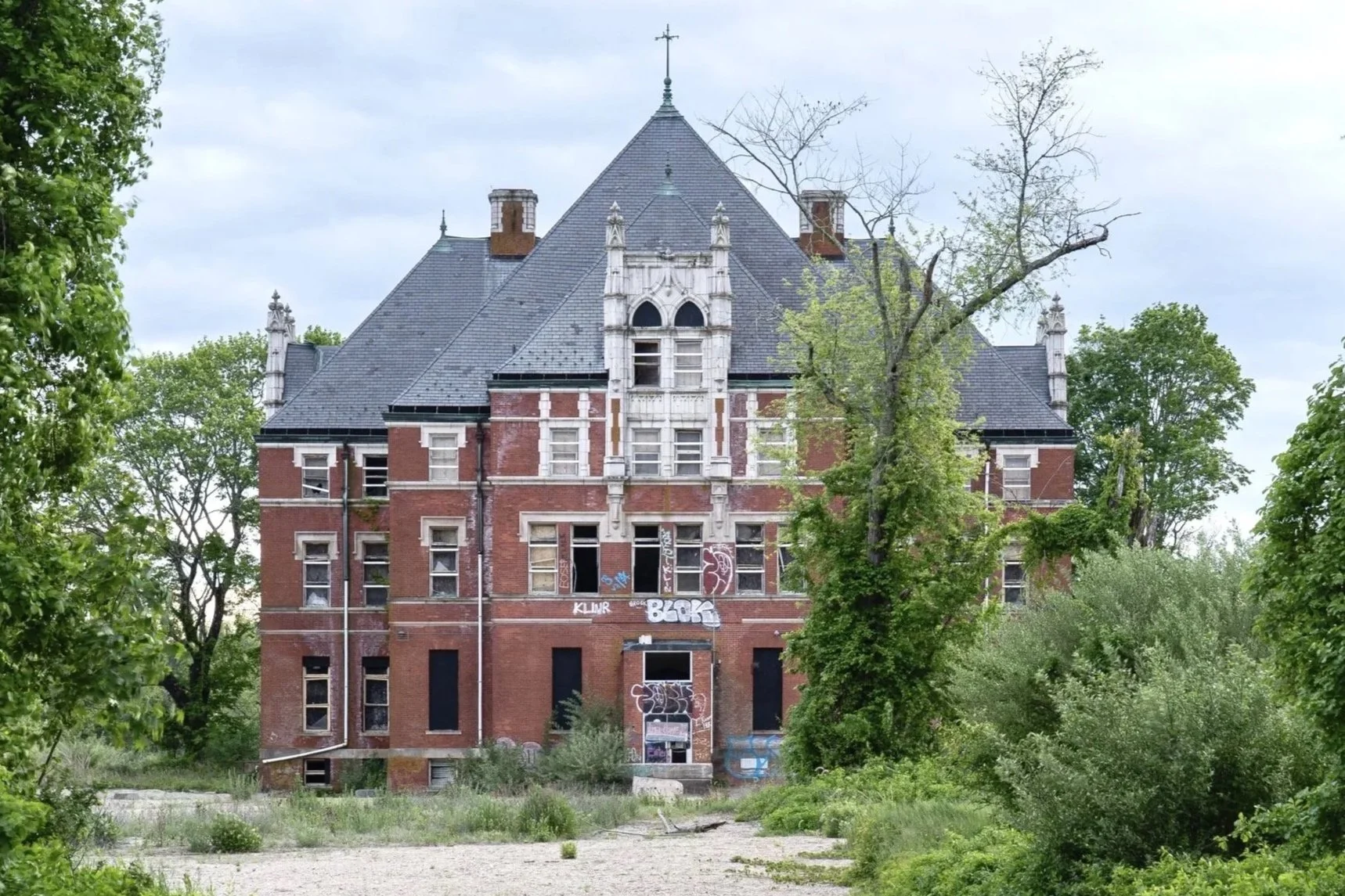
Administration Building. Norwich State Hospital, Preston, CT
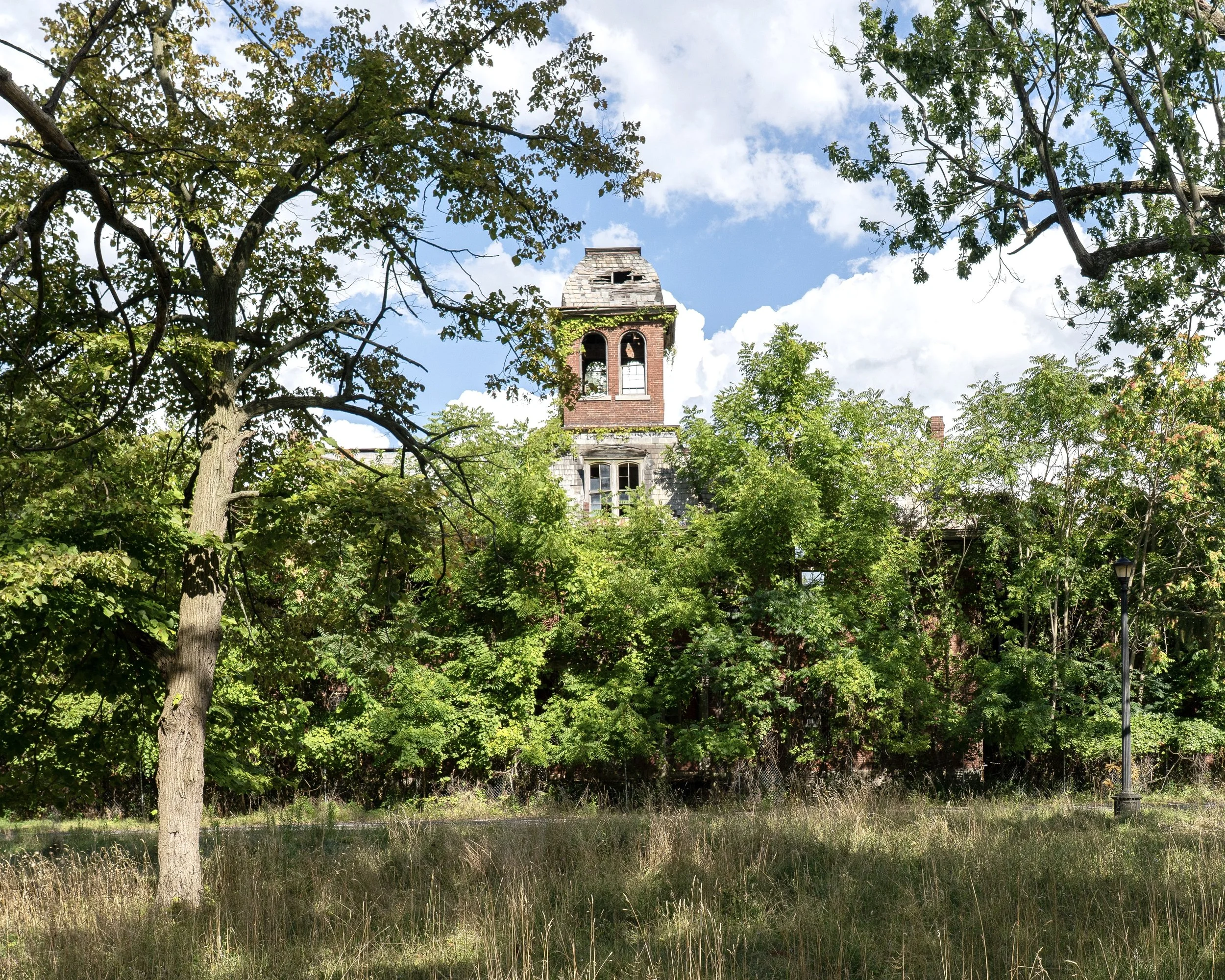
Maples Bldg. Willard State Hospital for the Chronic Insane, Ovid, NY
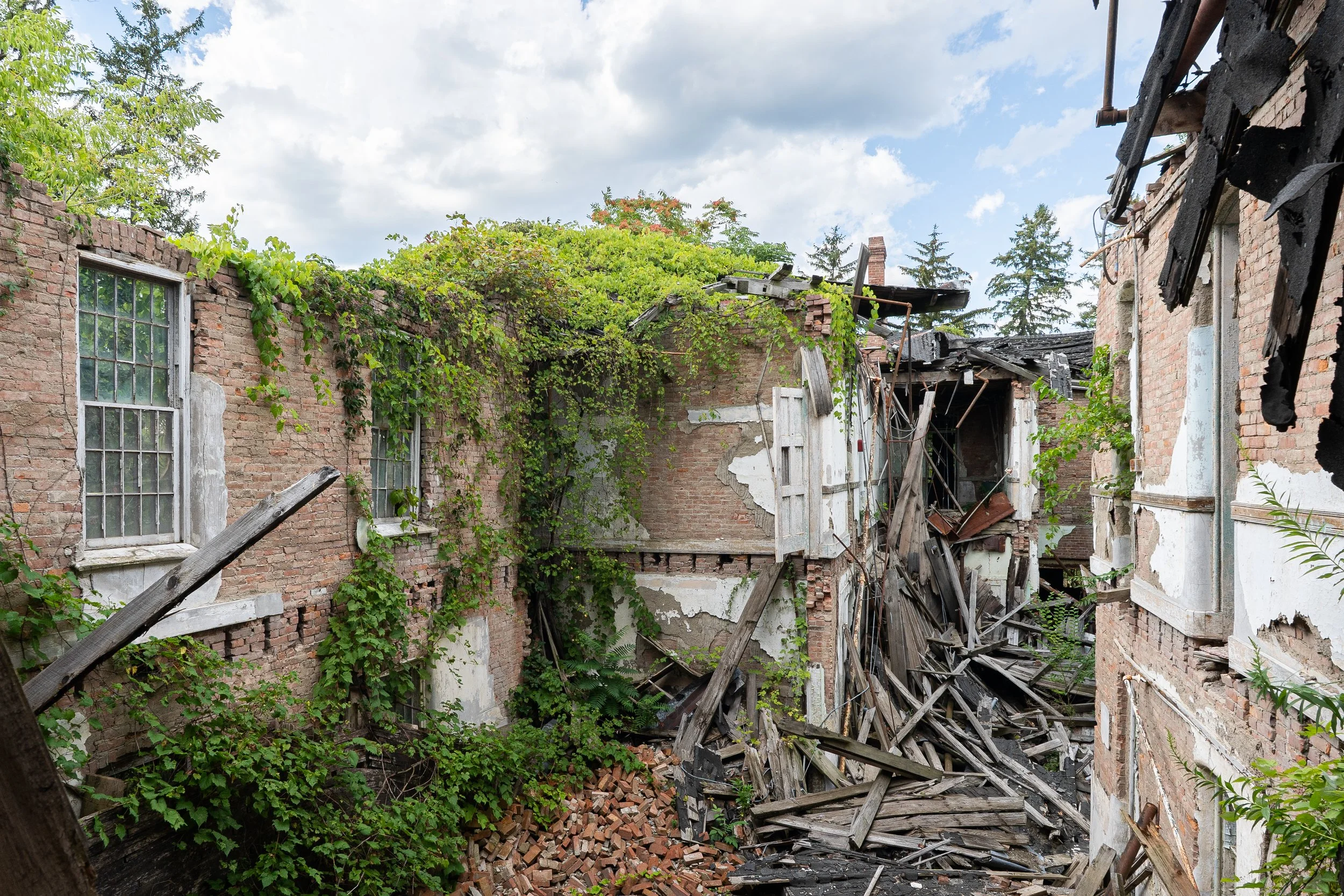
Maples Bldg. Willard State Hospital for the Chronic Insane, Ovid, NY
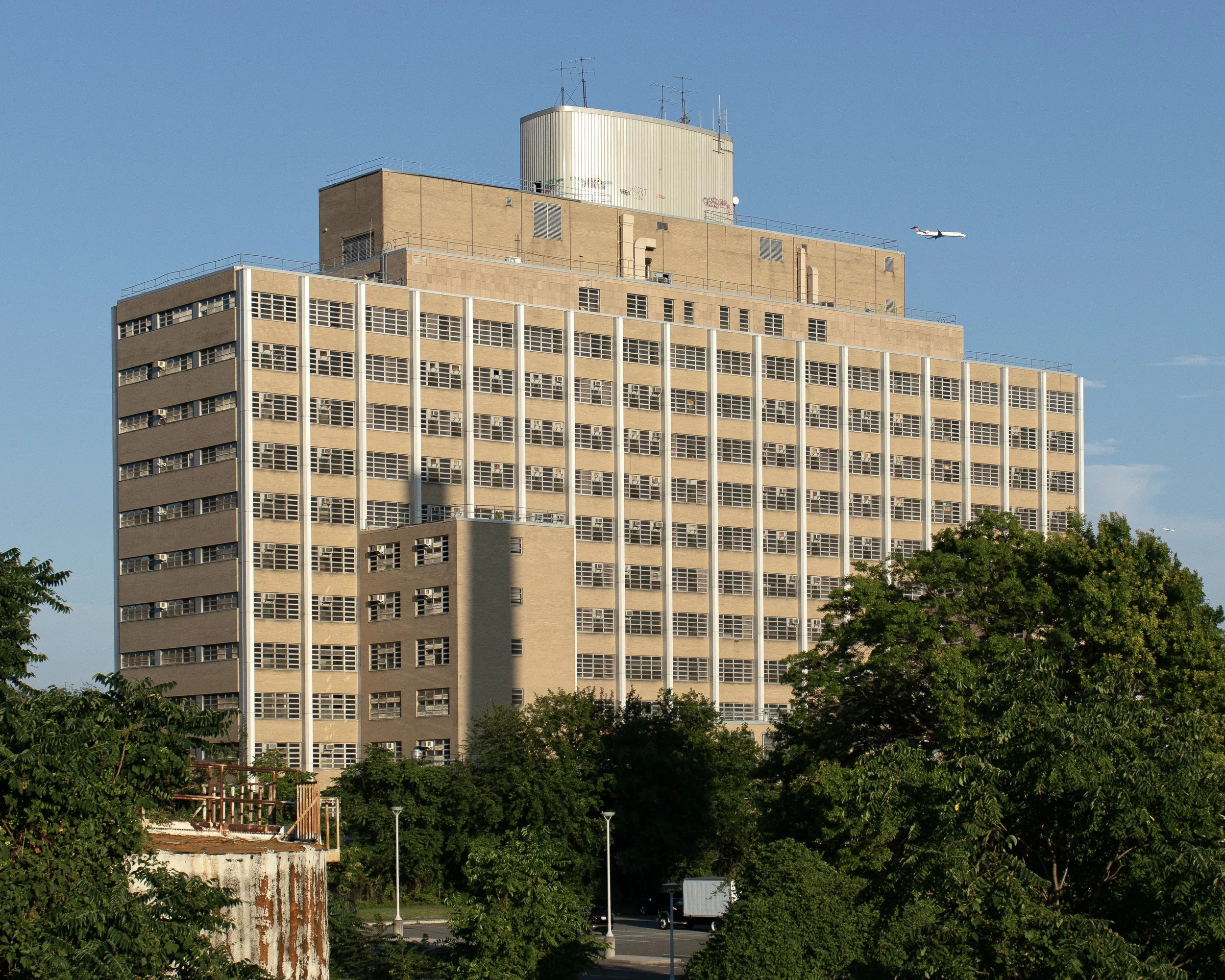
Medical/ Surgical Building, Bronx State Hospital, Bronx, NY
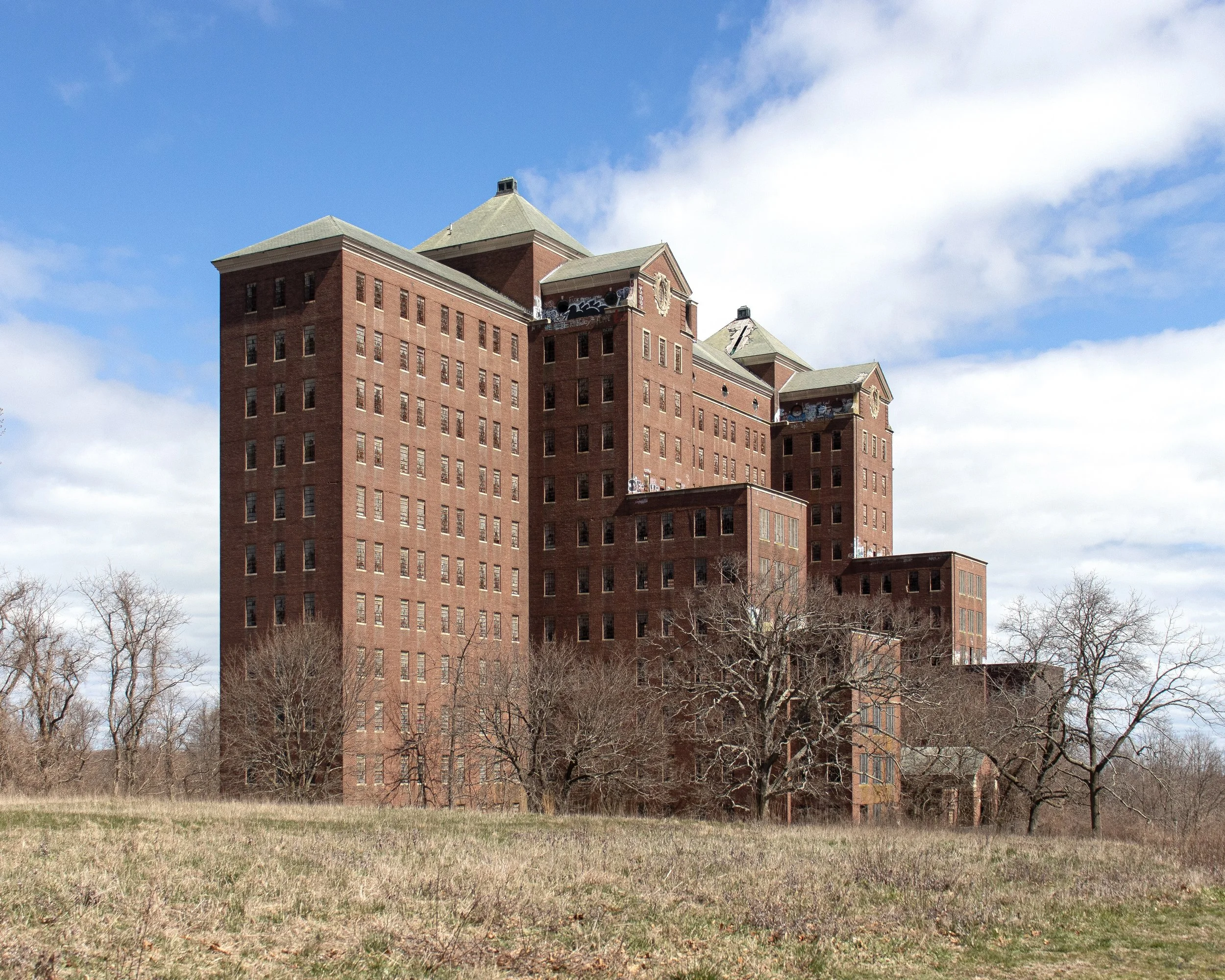
Geriatric Building, Kings Park State Hospital, Kings Park, NY
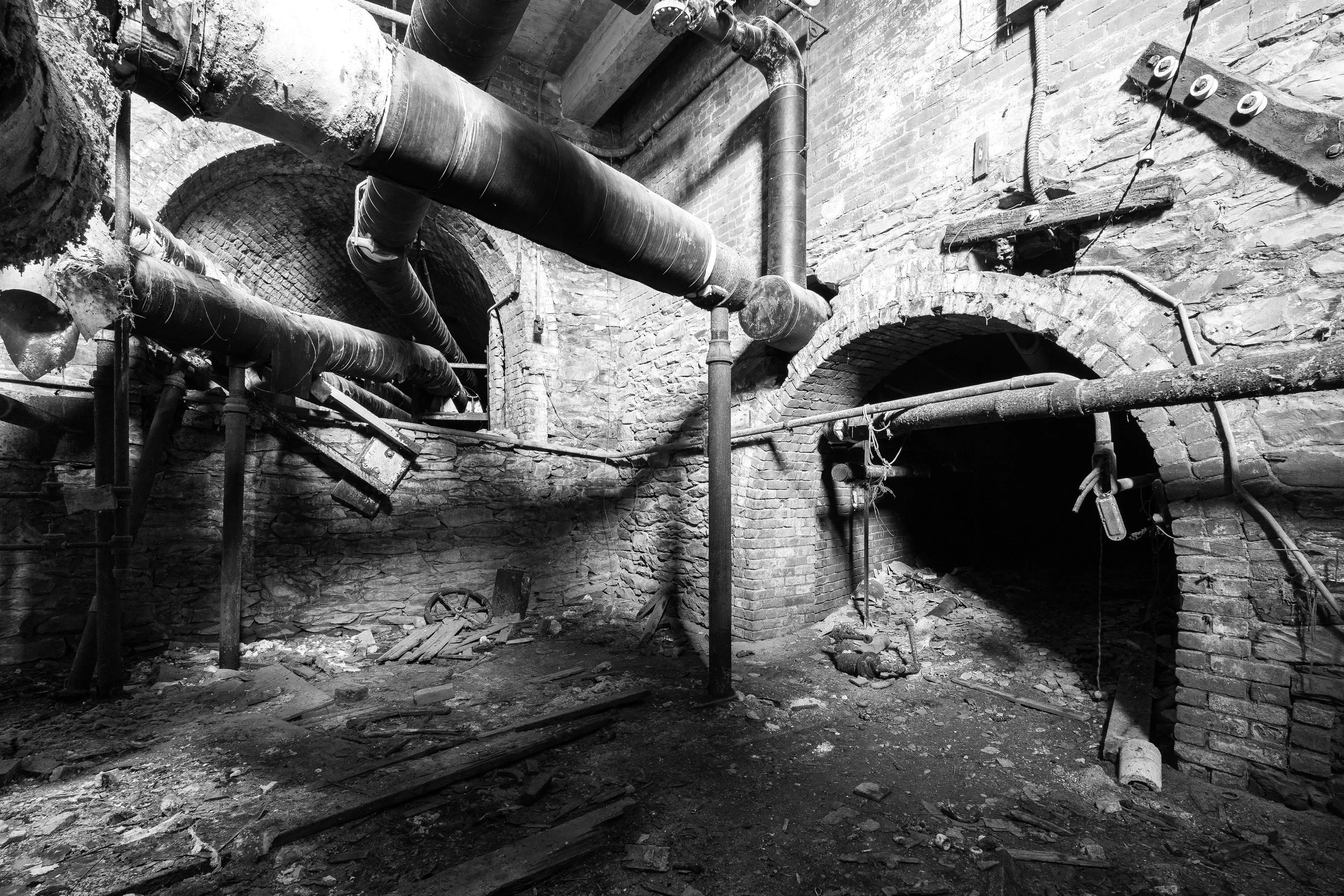
Tunnel Junction. Hudson River State Hospital, Poughkeepsie, NY
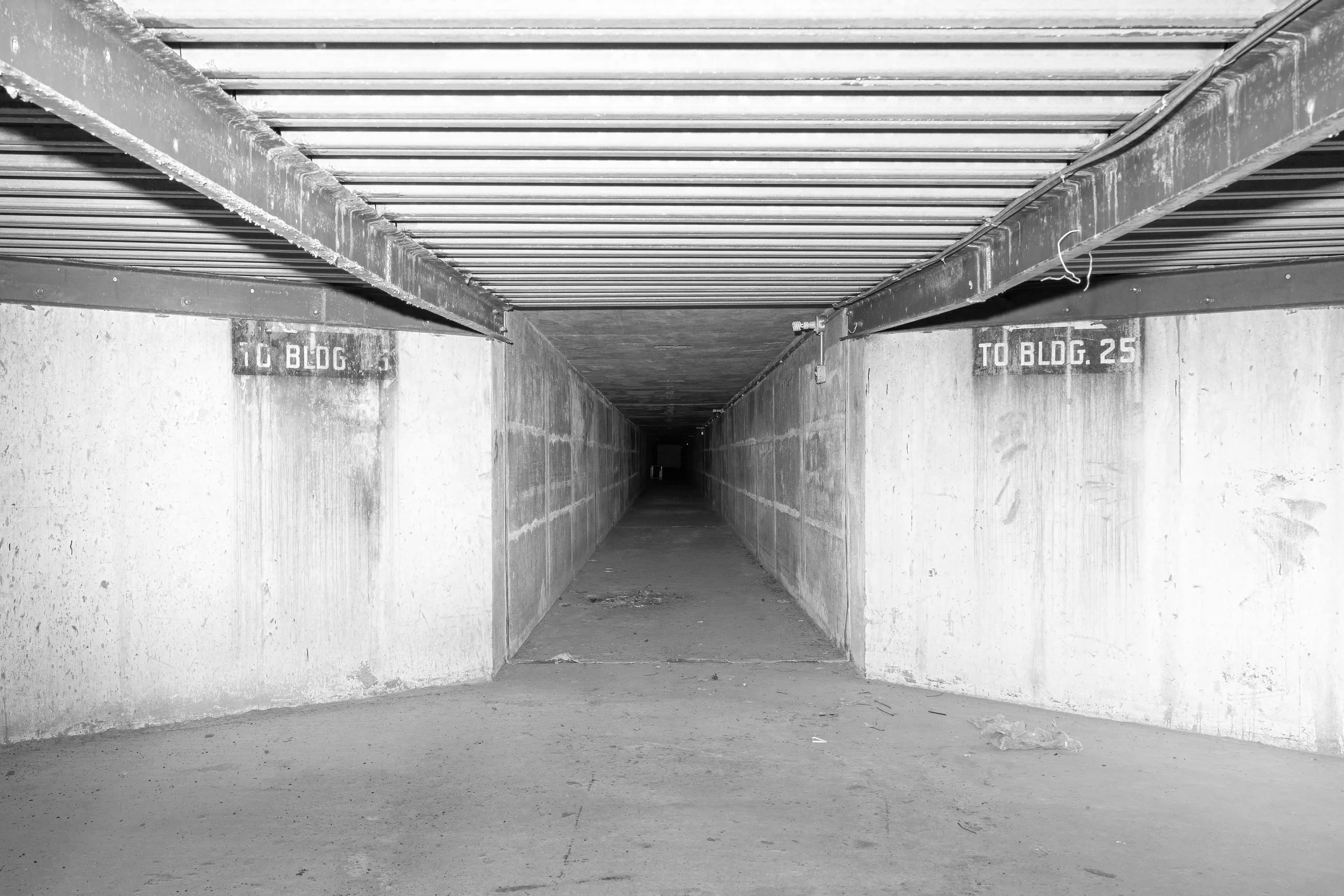
Transport Tunnel. State School
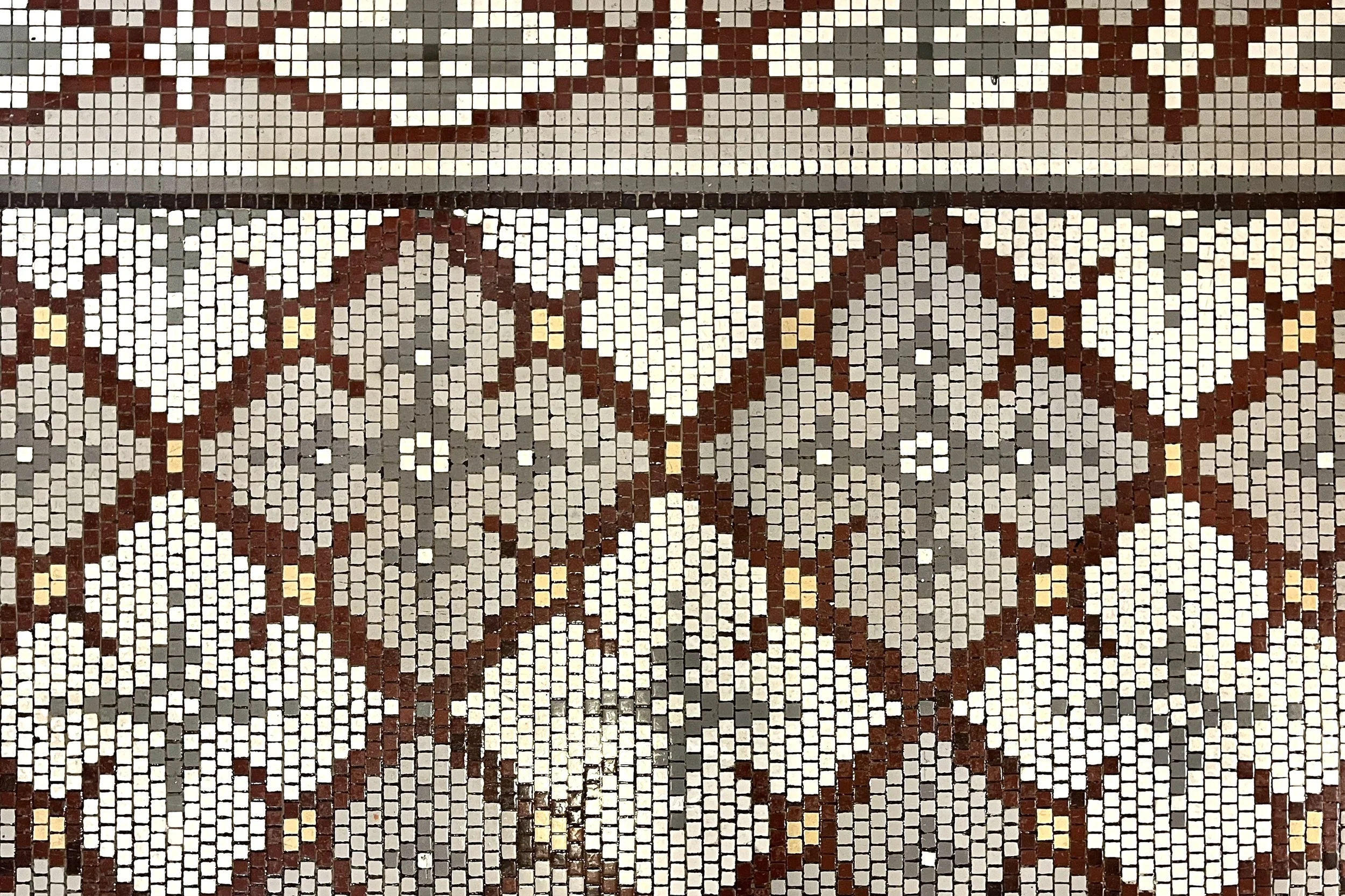
Floor Tiles. Athens State Hospital, Athens, OH
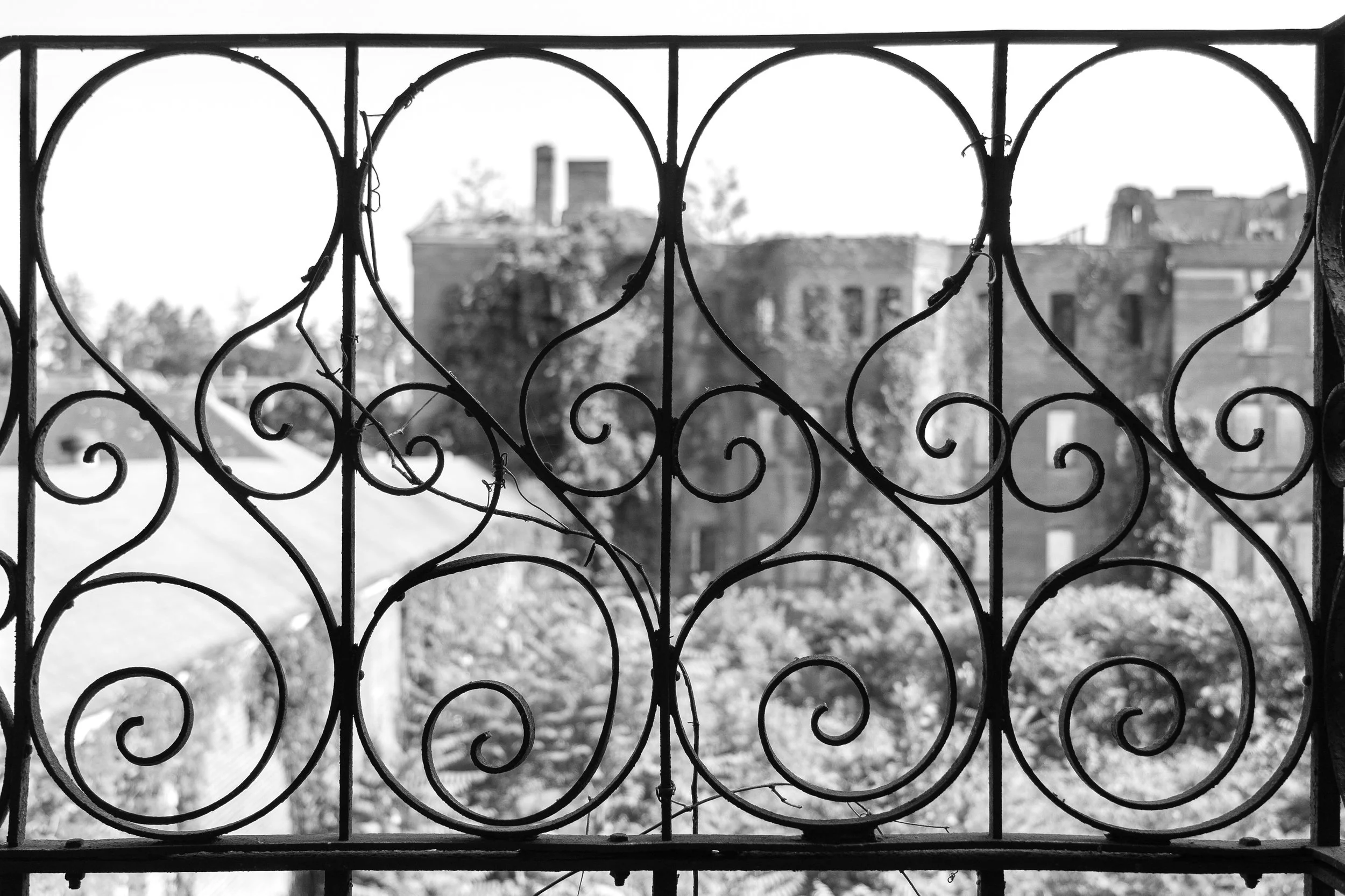
Fire Escape Sworls. Hudson River State Hospital, Poughkeepsie, NY
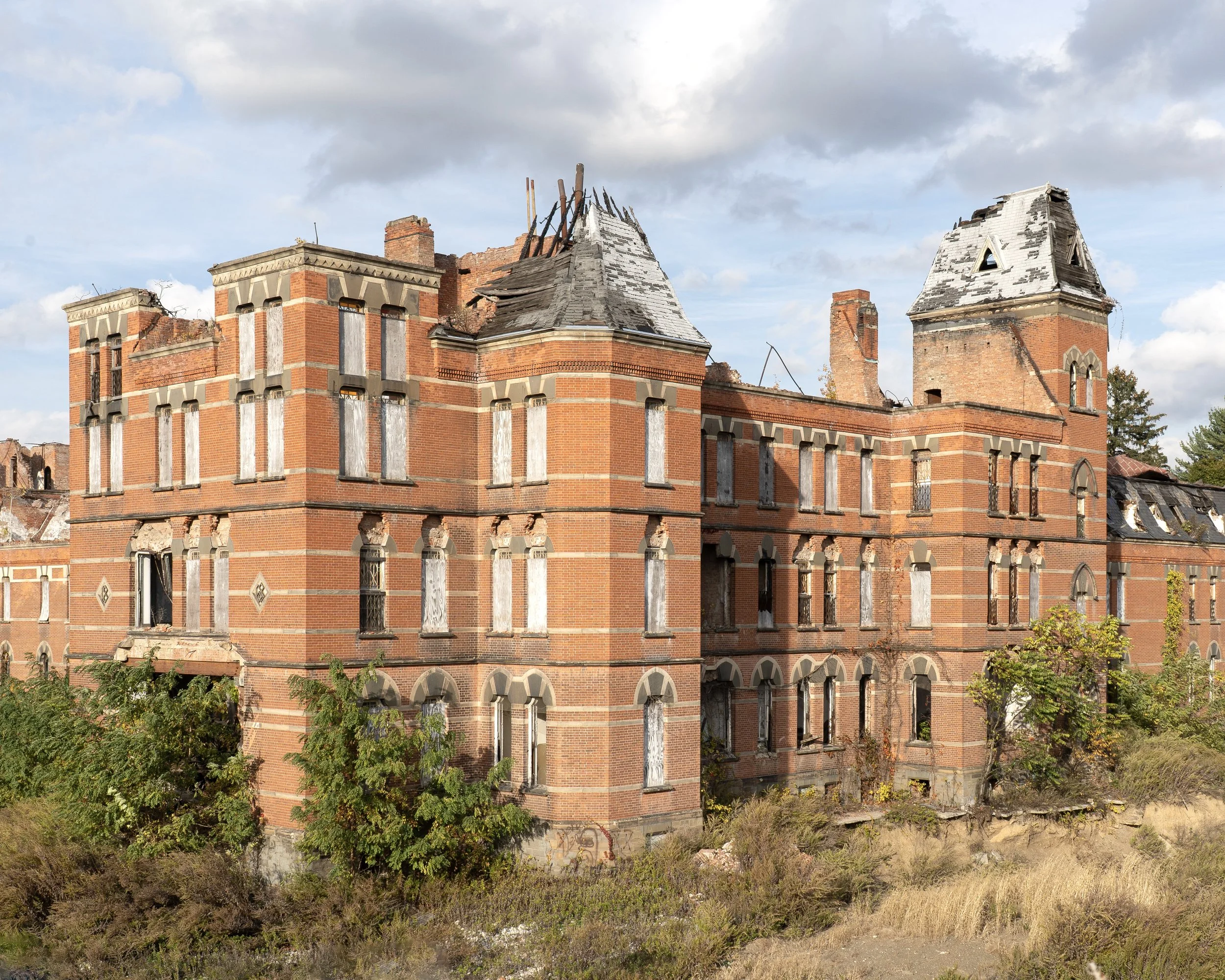
Male Ward. Hudson River State Hospital, Poughkeepsie, NY
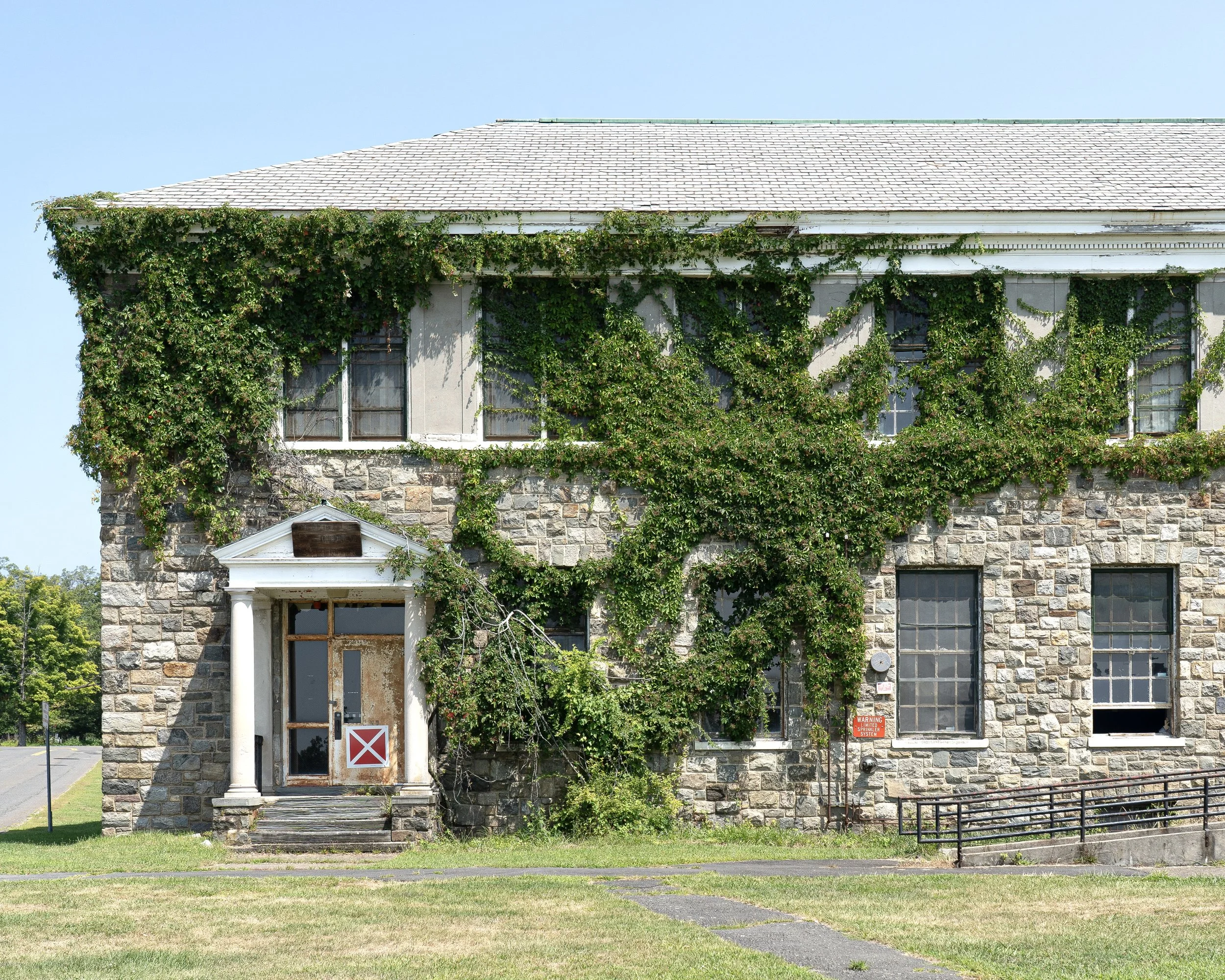
Male Ward. Letchworth Village Developmental Center, Haverstraw, NY
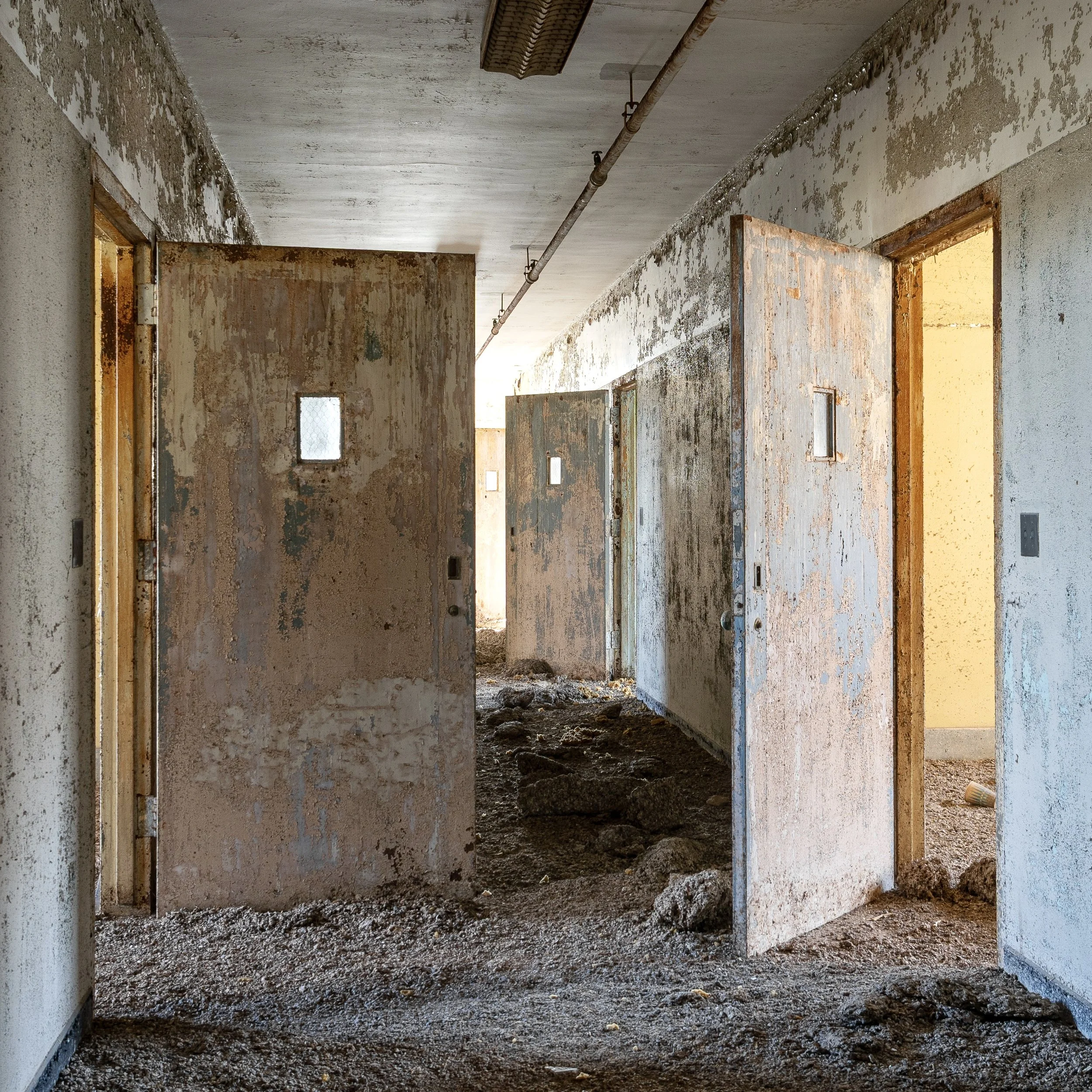
Pigeon Poop Patient Ward, Creedmoor State Hospital, Queens, NY
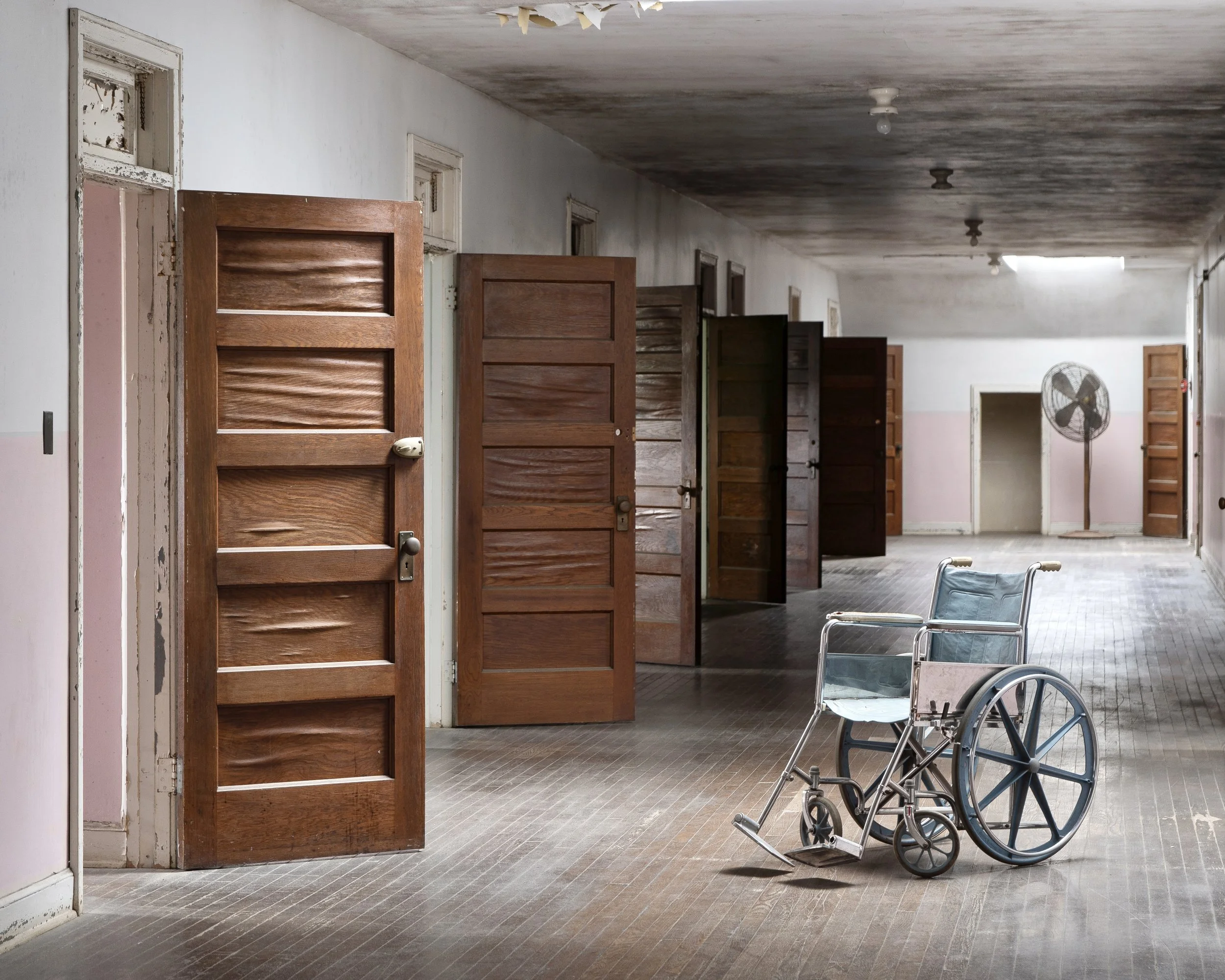
Attic Dorms, Weston State Hospital, Weston, WV
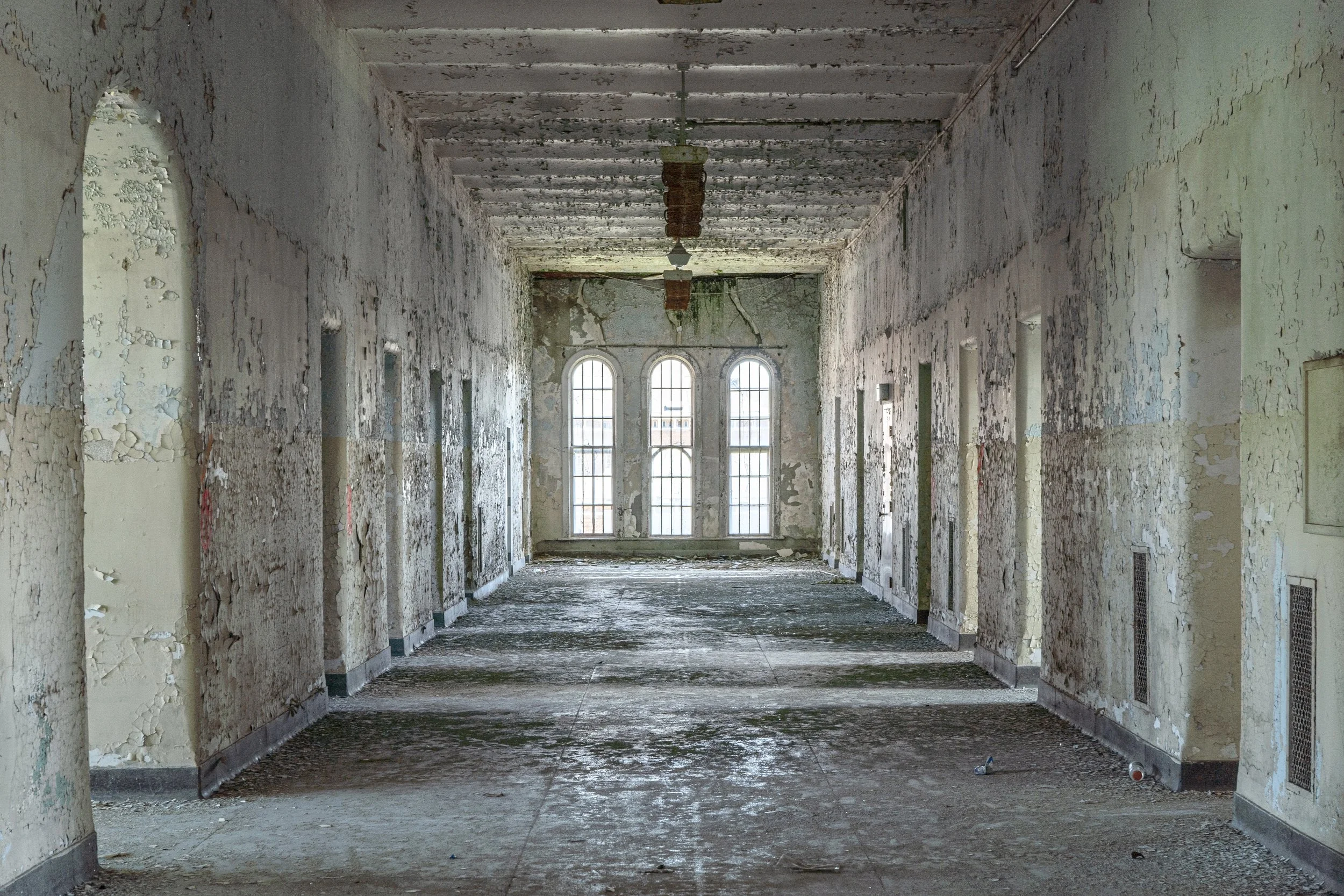
Patient Ward. Athens State Hospital, Athens, OH
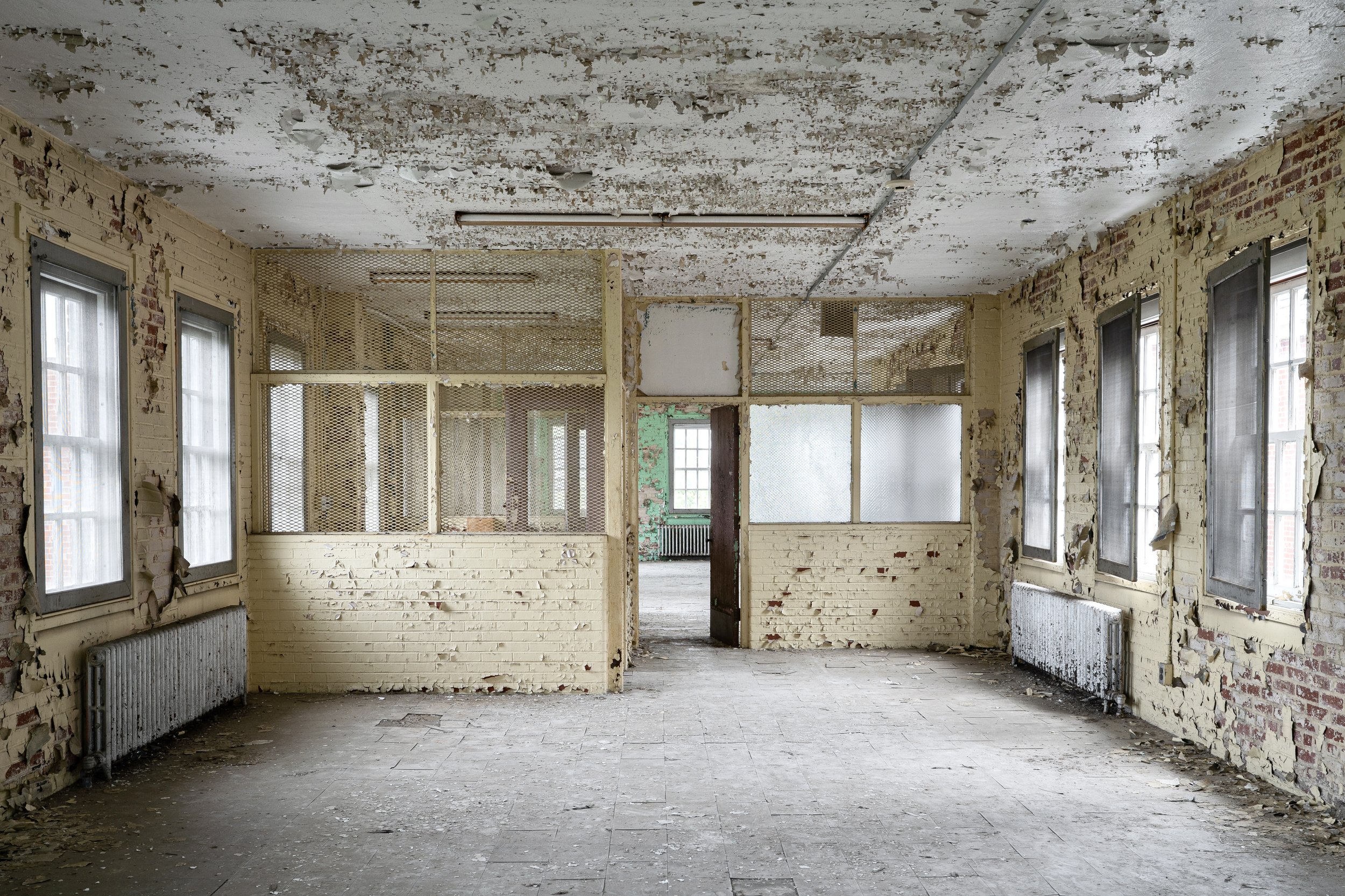
Open Floor Plan Patient Ward & Nurse's Station. State Hospital
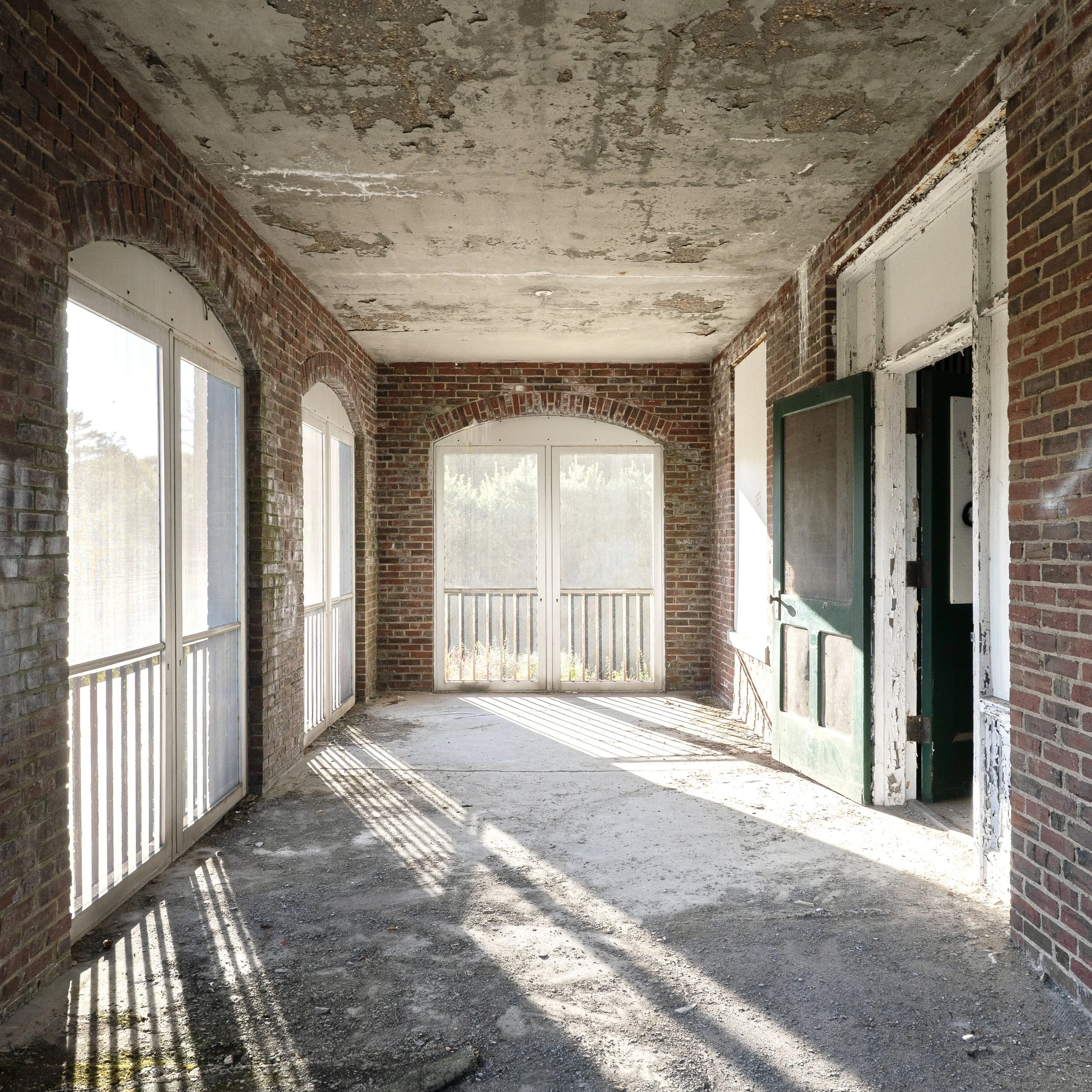
Patient Porch. Laconia State School, Laconia, NH
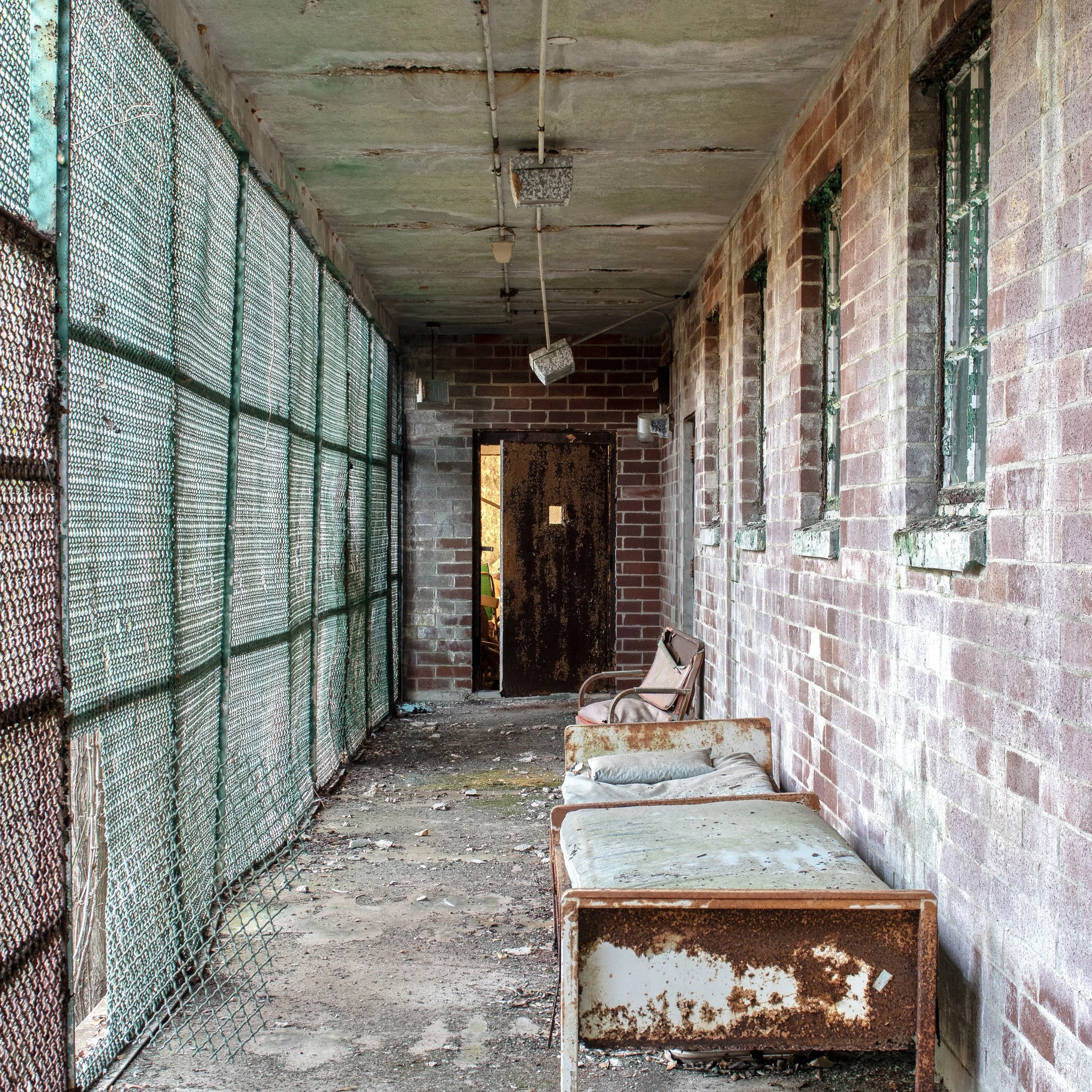
Patient Porch. State Hospital
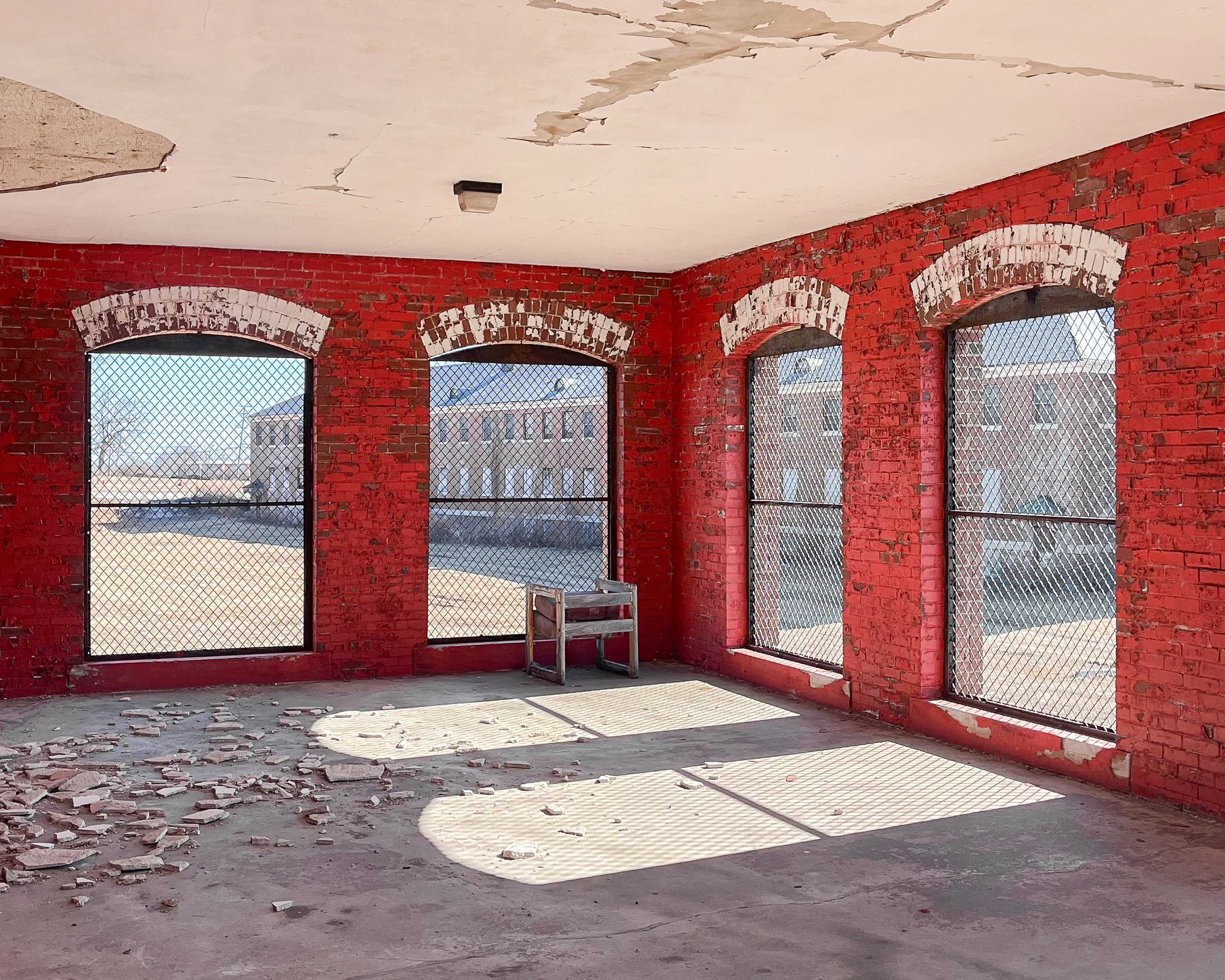
Patient Porch. Rhode Island State Hospital, Cranston, RI
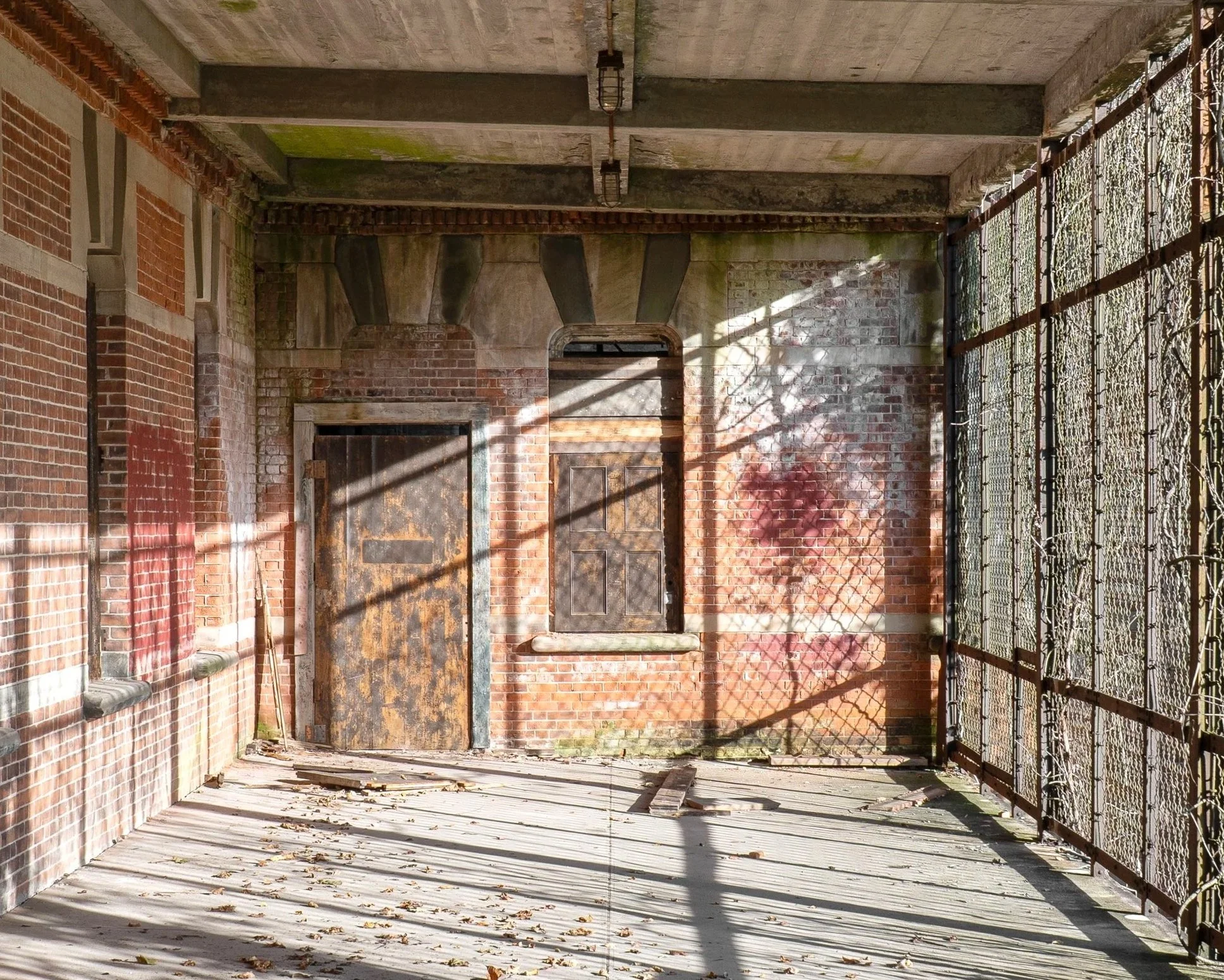
Patient Porch. Hudson River State Hospital, Poughkeepsie, NY
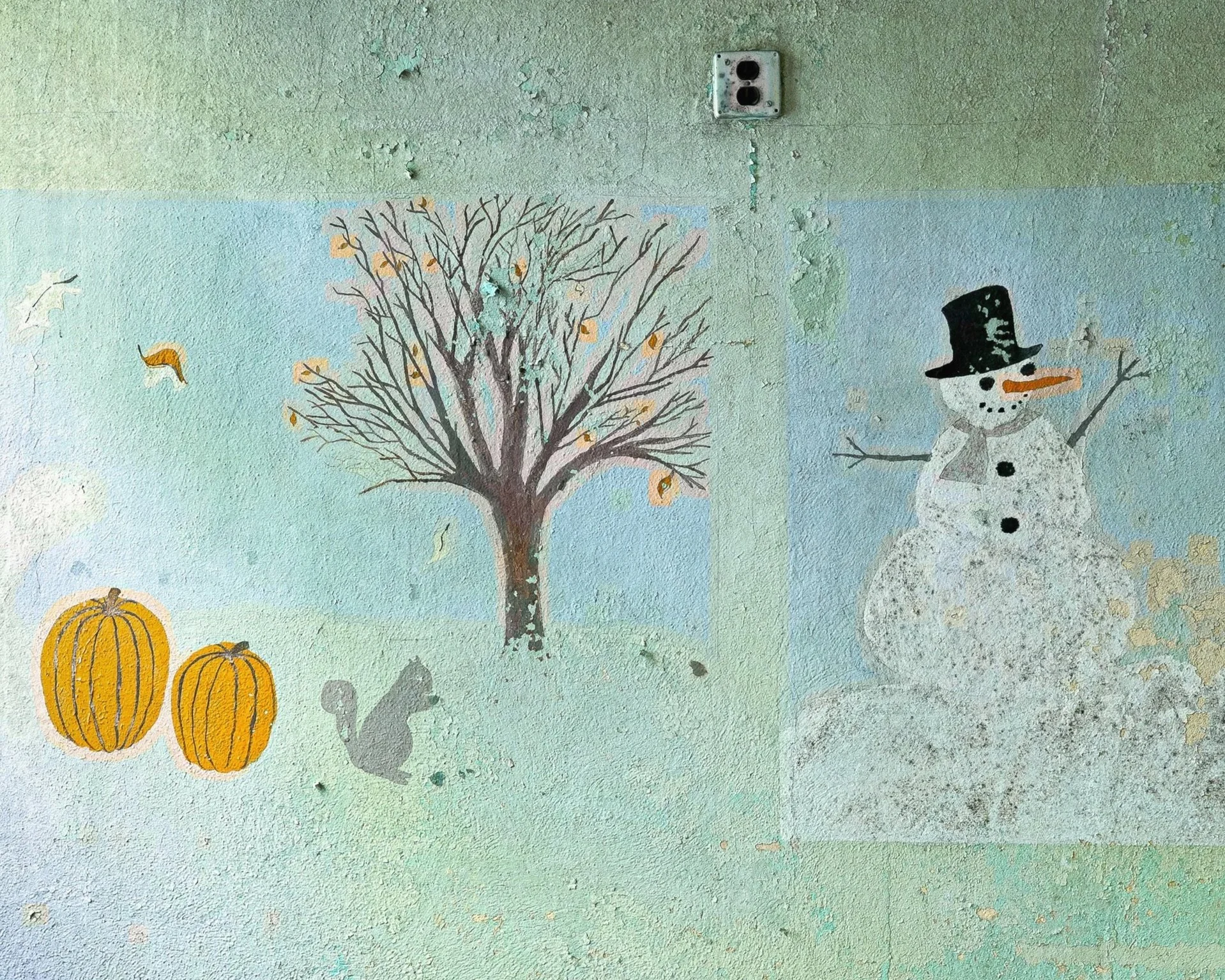
Fall & Winter, State Hospital, NY
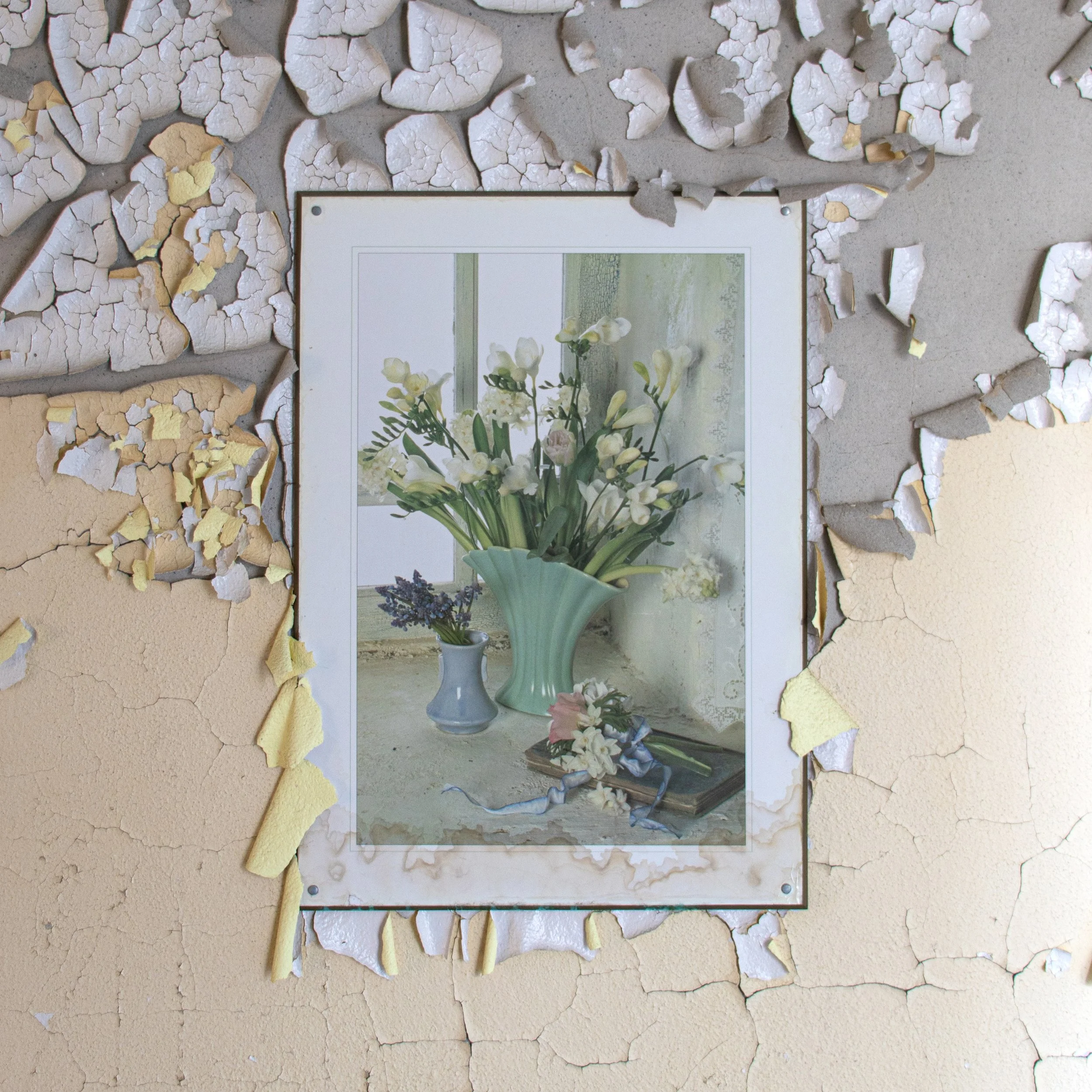
Wall Painting. Middletown State Homeopathic Hospital, Middletown, NY
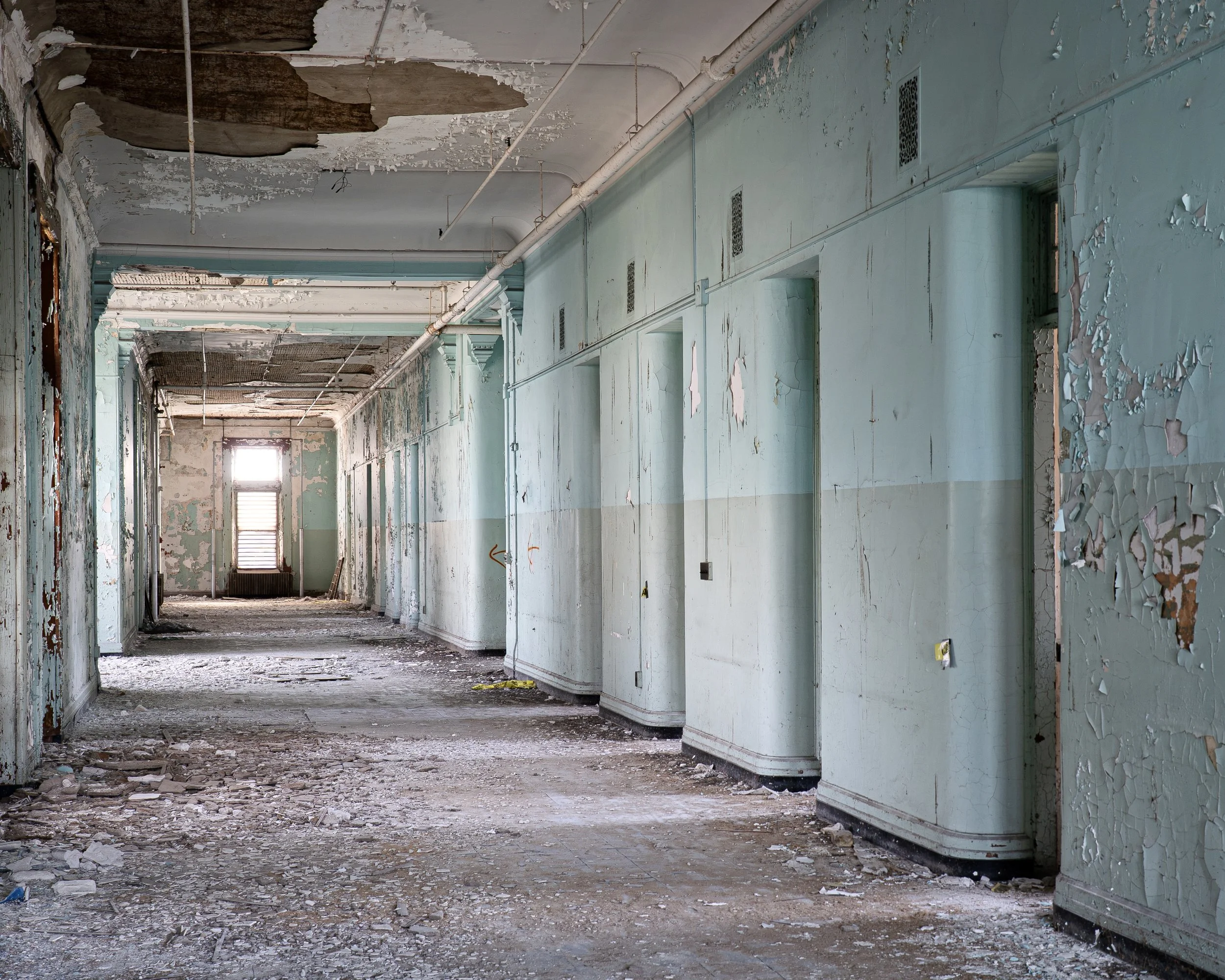
Patient Ward. Buffalo State Hospital, Buffalo, NY
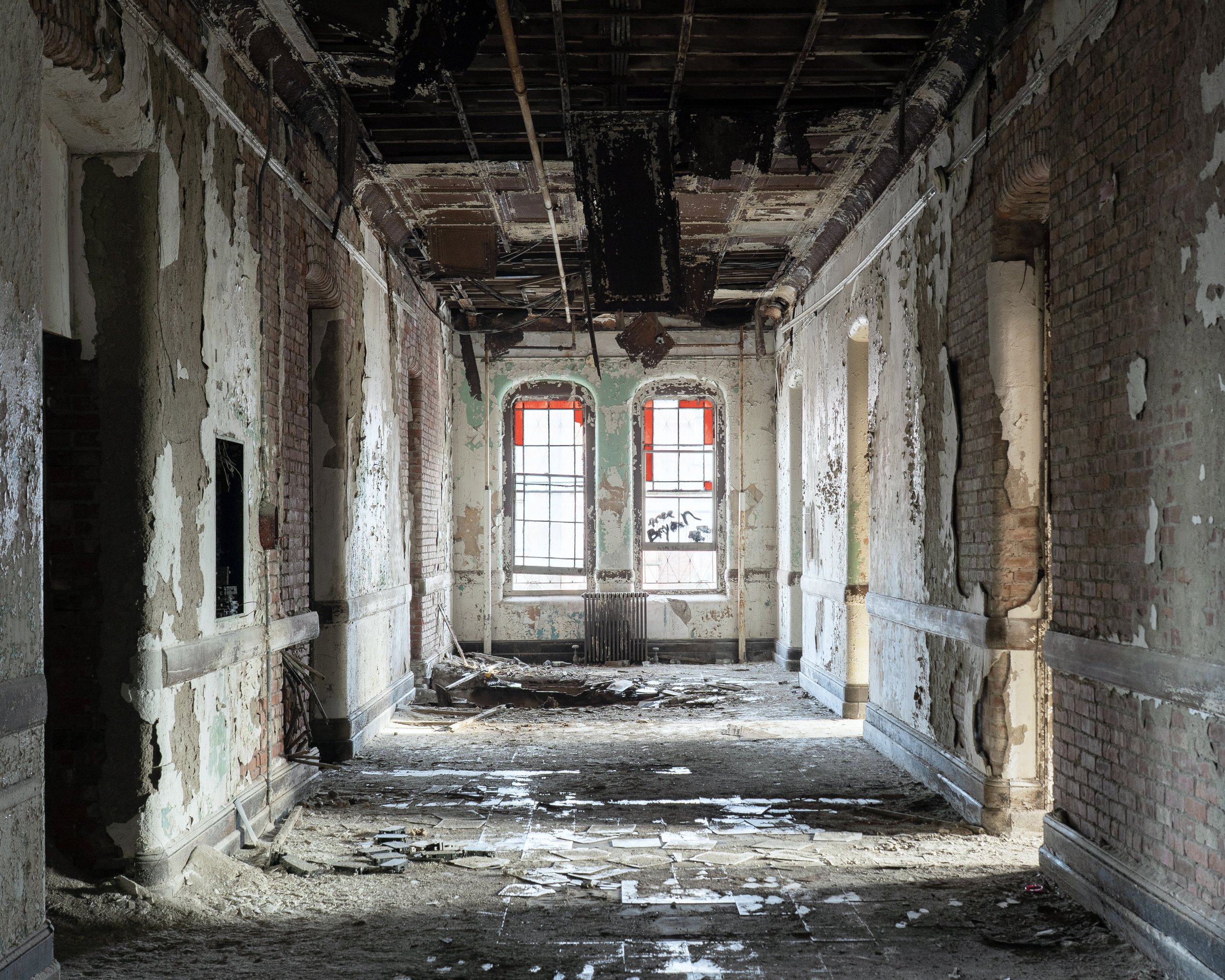
Patient Ward. Hudson River State Hospital, Poughkeepsie, NY
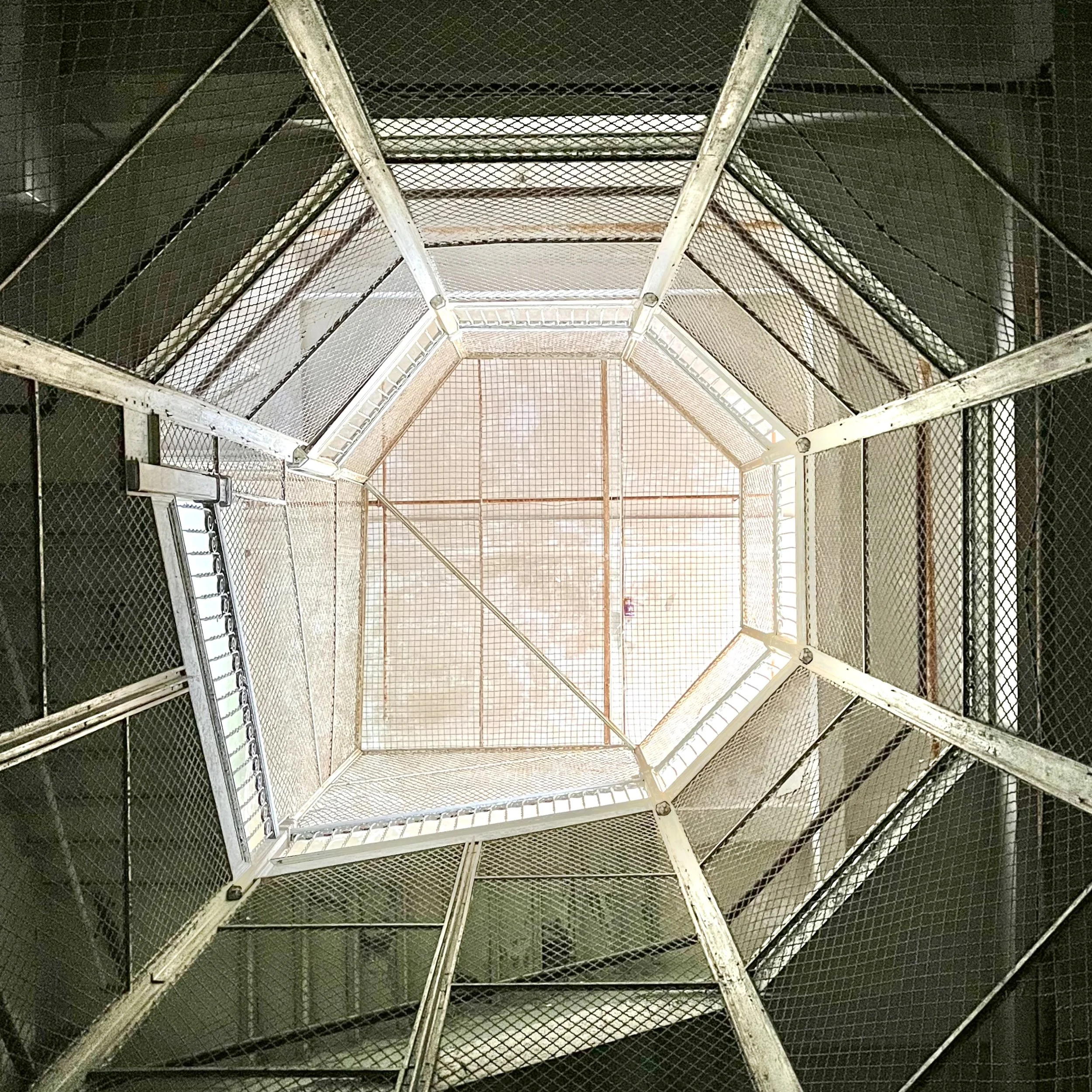
Antisuicide Staircase, Middletown State Homeopathic Hospital, Middletown, NY
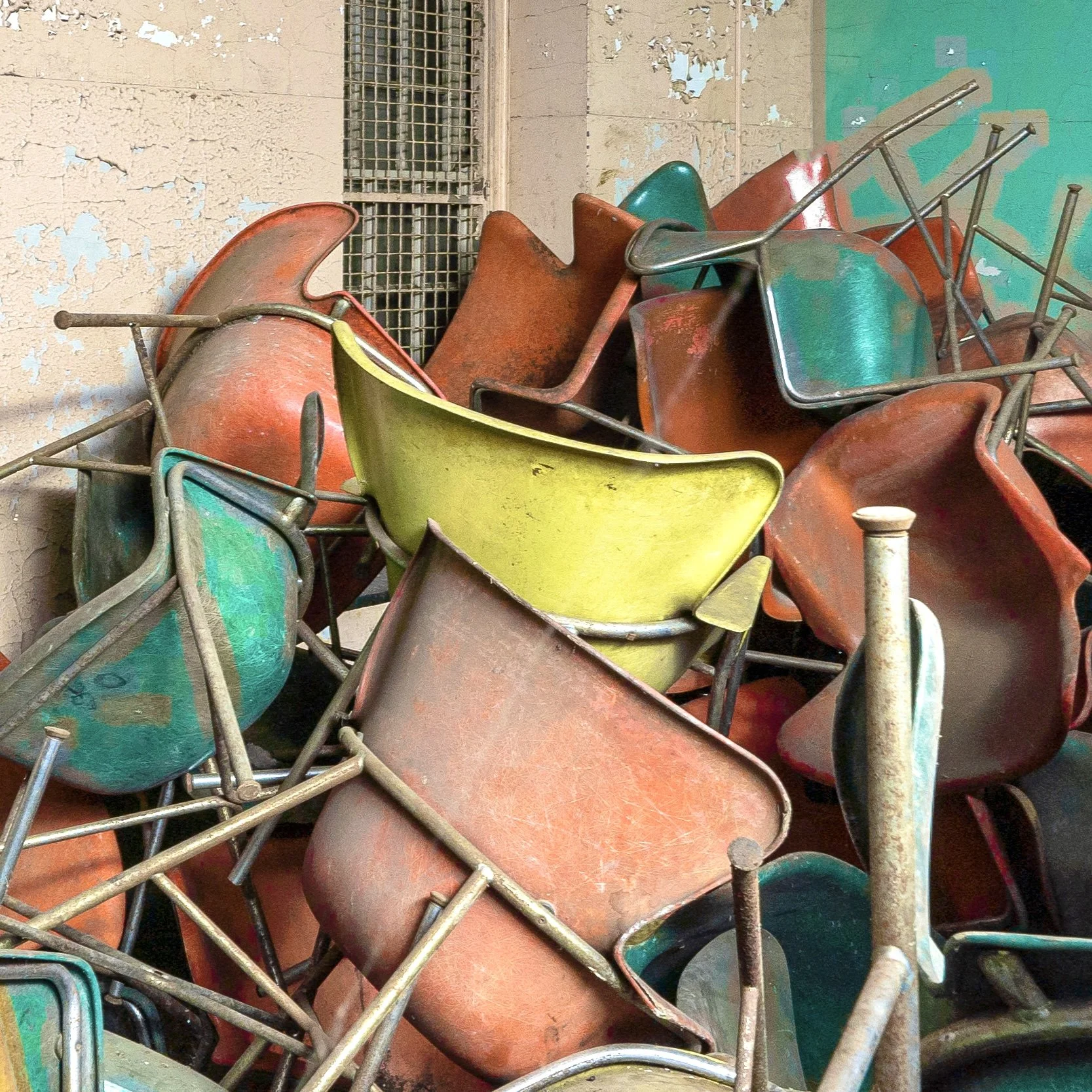
Peabody Chair Graveyard, Creedmoor State Hospital, Queens, NY

Greenhouse. Weston State Hospital, Weston, WV
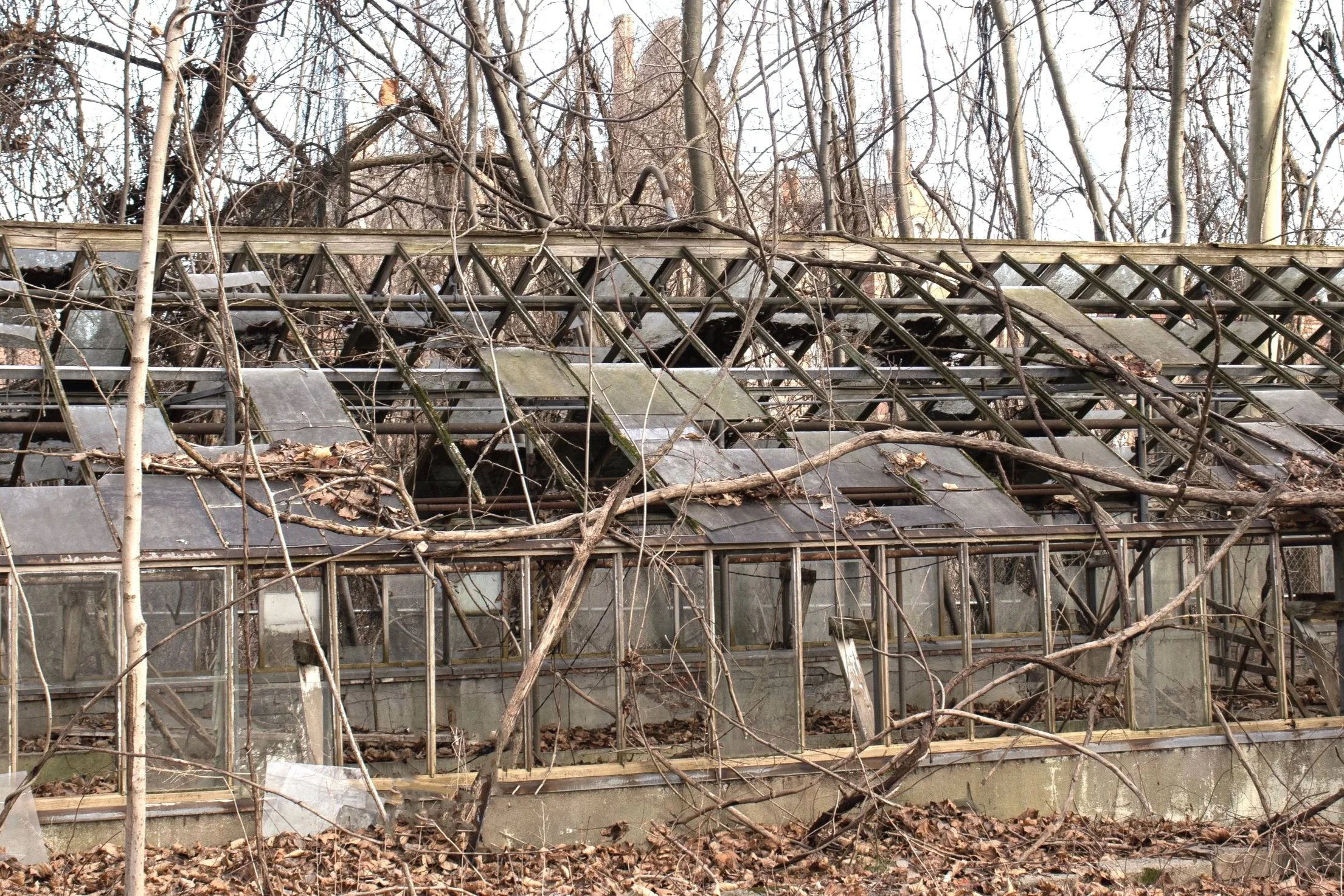
Greenhouse. Hudson River State Hospital, Poughkeepsie, NY
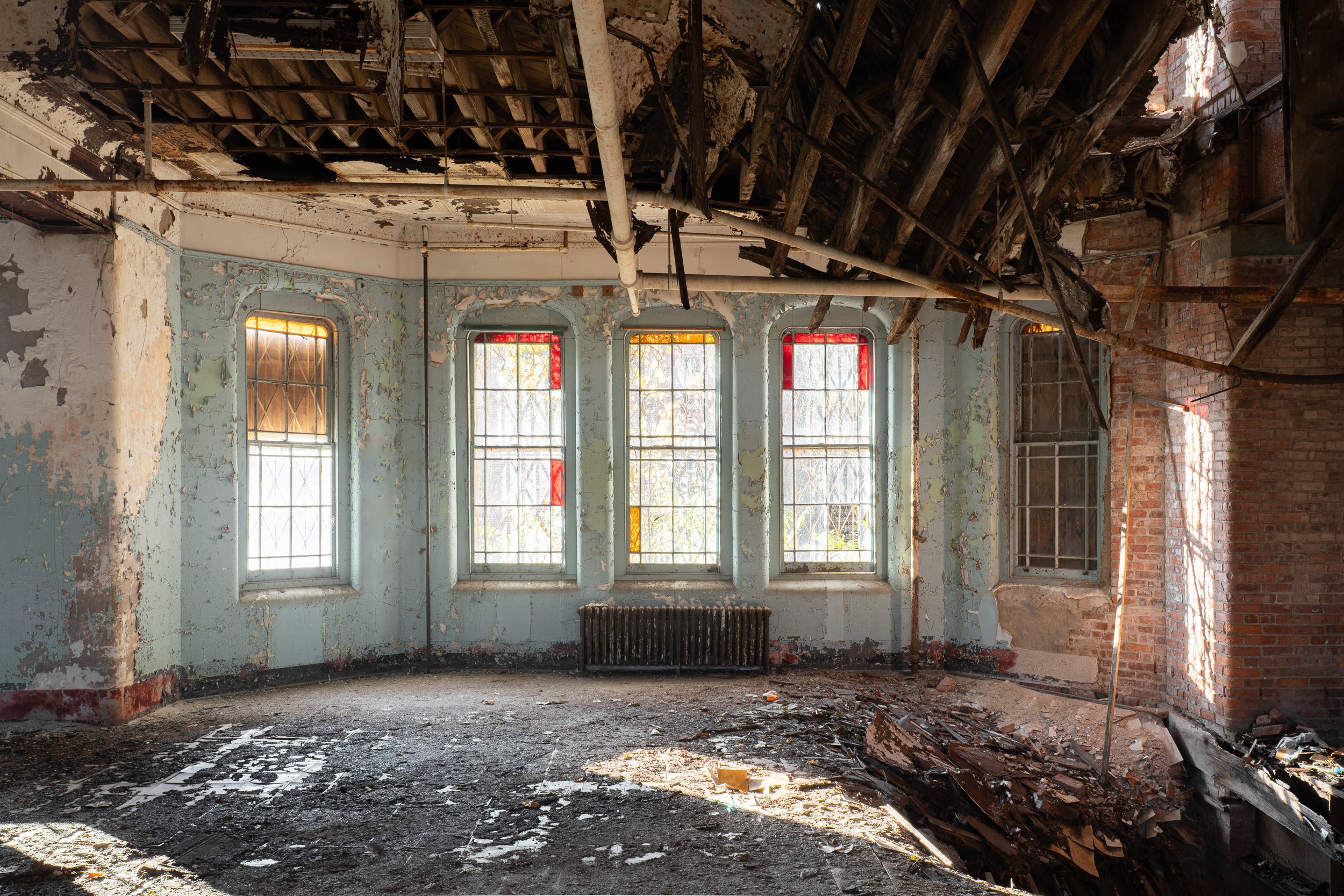
Dayroom Windows. Hudson River State Hospital, Poughkeepsie, NY
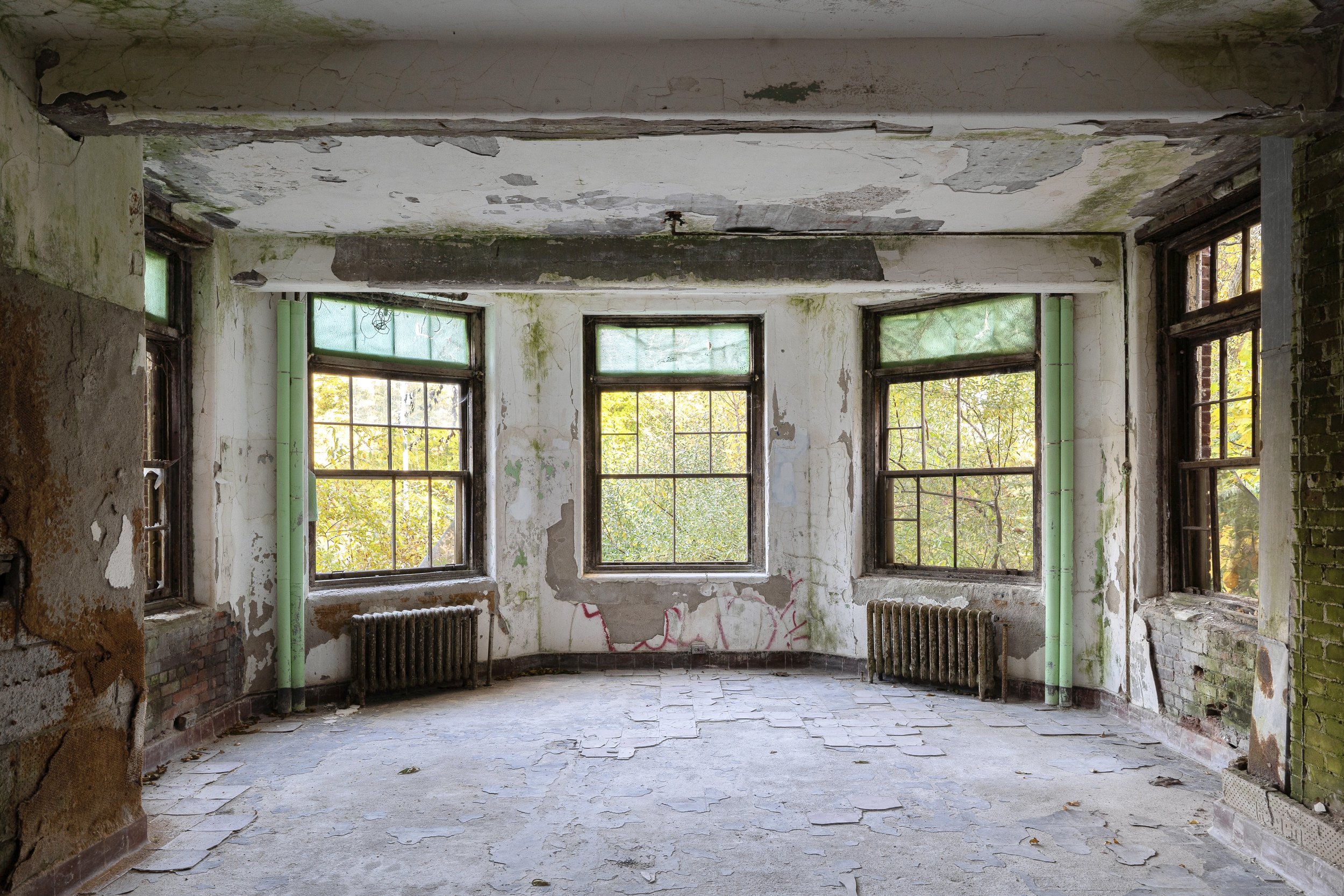
Dayroom Windows. Norwich State Hospital, Preston, CT

Administration Bldg. Hudson River State Hospital, Poughkeepsie, NY
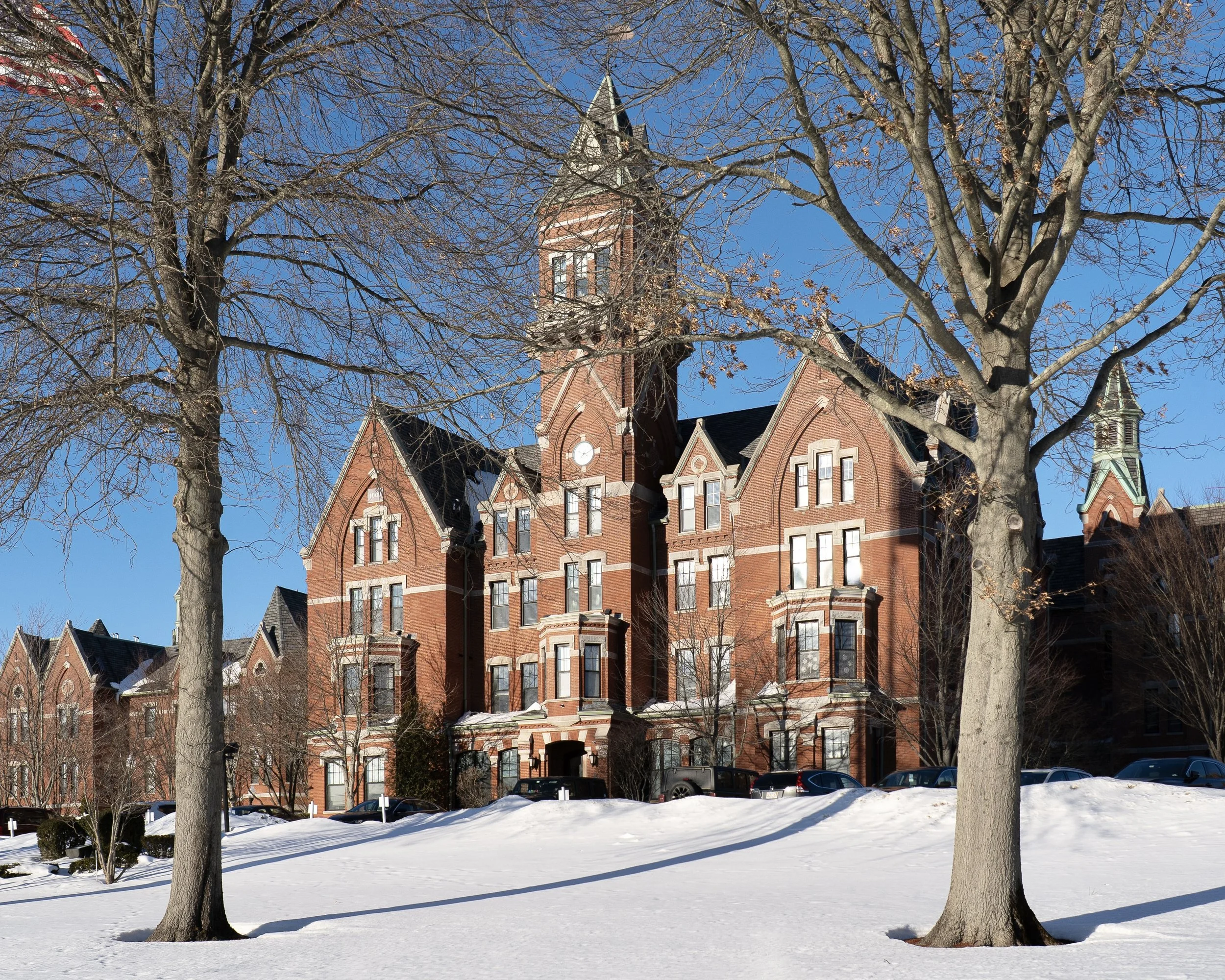
Administration Bldg, Danvers State Hospital, Danvers, MA
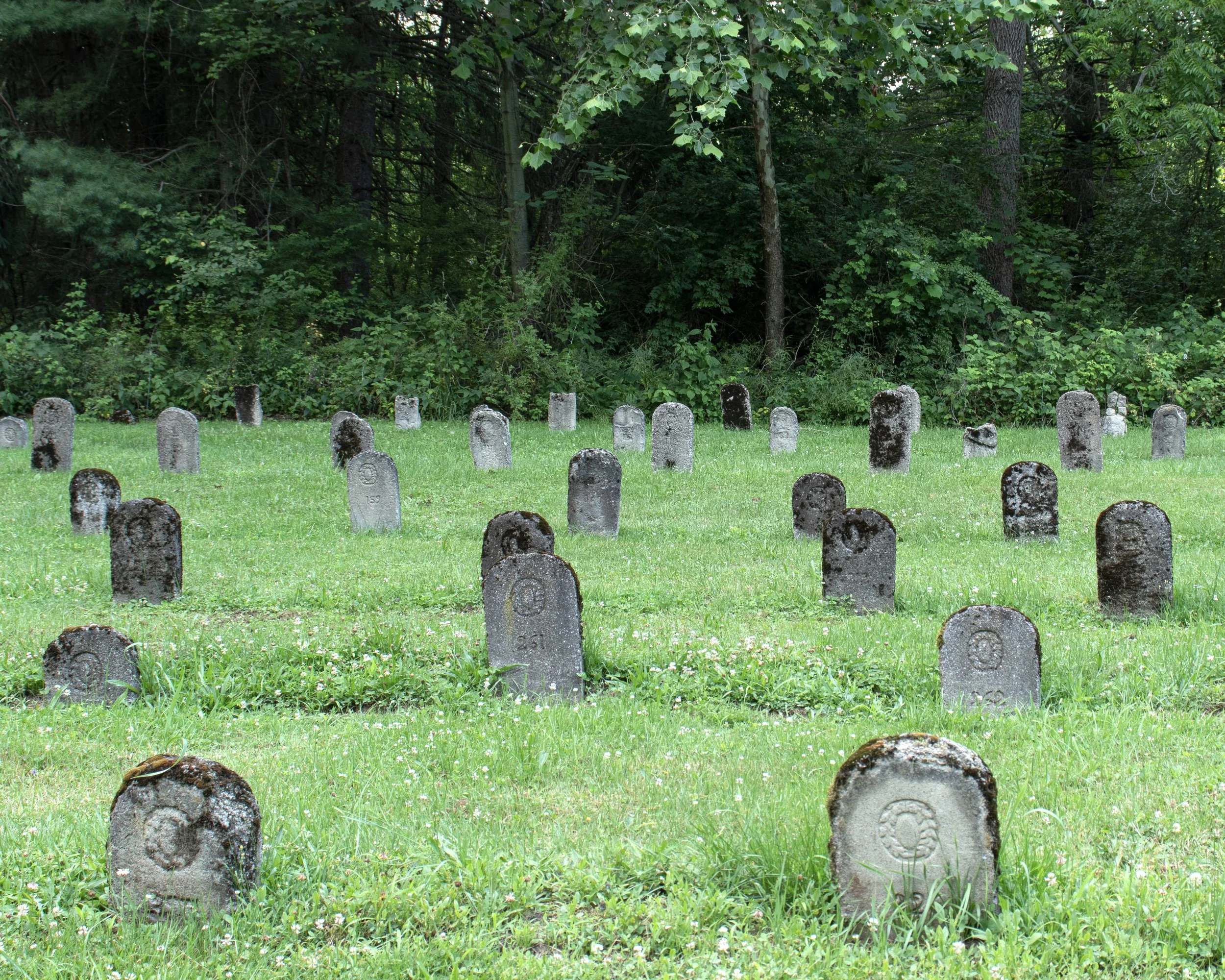
Patient Cemetery. State Hospital, NY
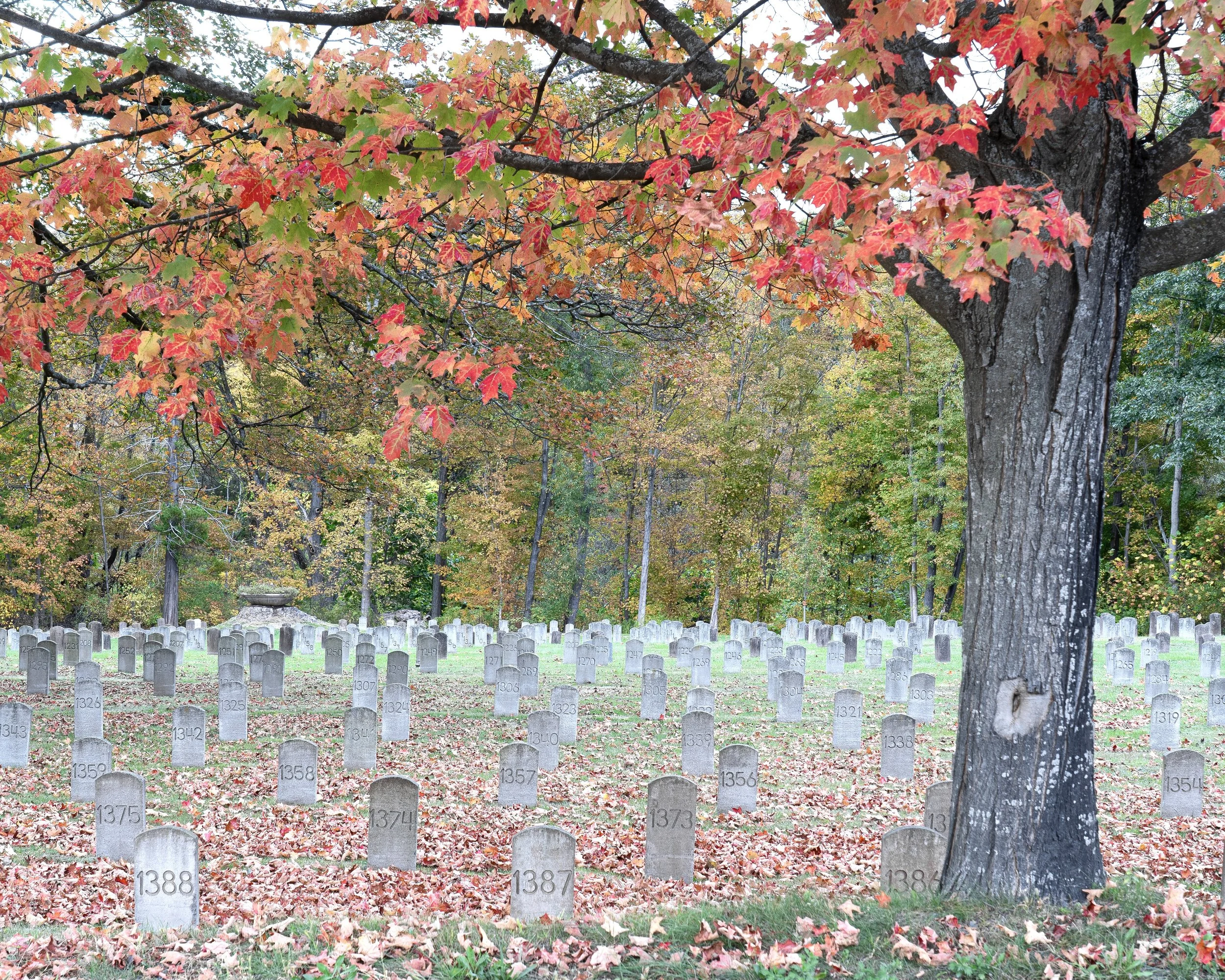
Patient Cemetery. State Hospital, CT
Asylums are my most sought out type of place to photograph, and this became the case for me rather quickly. Ever since I started exploring and documenting abandoned places, I've always found a distinct interest in the history, and architecture of these old state psychiatric facilities and developmental center facilities, and they remain to peek my interest to this very day. I have traveled around exploring and documenting as many aspects of each abandoned asylum as I possibly could. This would mean that I would try my best to document different sections that made up the facility, such as different wards constructed for different types of patient & resident needs, medical buildings, recreational buildings, staff dormitories, etc. Each and every section made up the facility and its functionality in its heyday. Documenting abandoned asylums has become a mission of mine to bring awareness not only to the unfortunate brutal suffering of patients/ residents who once occupied each facility, but to also show the care, and craft that went into the initial construction of many of these historic buildings from the 19th to the 20th century. Seeing how we have evolved in our craft in architecture for facilities built to treat those with mental illness, and disabilities is intriguing and quite sad at the same time. Once funded to build and create a colorful, detail full palace of hope, to now only build a bland lifeless structure eluting to a future of sadness, and isolation. Our views on mental illness have changed as a society, and this leaves the great question… “Are we doing it better than before?” While we do indeed take on many different moral standards avoiding mistreatment of patients, and ensuring that we are being ethical, does this mean that we are truly succeeding in taking care of our mentally sick, and mentally disabled citizens? I personally say no. I have learned first hand, and through my own experiences photographing abandoned asylums old and new, that the structure and layout of the buildings played a tremendous role in our intention to help and treat mentally sick people, and mentally disabled people. Our architects hired by the states, and the government designed these institutions with effort to create a safe haven for patients & residents with the goal of truly improving the lives of these suffering individuals through beauty of the environment. This meant natural sunlight, colors and articulate detail in architectural design. As asylums existed for a century, overcrowding became a tremendous problem amongst existing facilities, beginning to defeat much of the original purpose of the structures. For example, personal space for patients & residents became non existent, and sections of the buildings would be used to house patients & residents even if the area was not constructed for this purpose. More psychiatric facilities and developmental facilities would be built overtime to relieve overcrowding. However, with the large increase in patient population and changes in societies views on the matter, the facilities would be built often resembling something closer to the feel of a prison rather than a facility to help people. By the 80’s and 90’s, psychiatric drugs came into play, being widely accepted as the best solution to help with mental illness or mental disabilities, and this ultimately led to the closure of many state hospitals and developmental centers across the United States with a handful closing under the deinstitutionalization movement of the 90’s. Today, we reflect on these facilities as a place of horror and sadness as this is what would last be known as the environment of an asylum. However, exploring, and photographing abandoned asylums built in the 1800’s and early 1900’s would somewhat prove differently. The high ceilings, colorful walls, pressed tin ceilings, window designs, and building layouts would resemble a much more positive idea which I am thankful to be able to witness myself as asylum structures of these eras are much more uncommon nowadays. Today, a large majority of asylums from the 19th and early 20th century have been demolished, becoming a distant memory. Learning about so many of these places essentially being wiped away only heightened my desire to discover remnants of historic asylums across the United States. Some abandoned asylums have been purchased, and redeveloped by universities, and new owners hoping to keep the history alive in some way, shape, or form. However, many asylums of many eras still sit abandoned, continuing to rot for decades, some being full of remanates of patient, resident, and staff belongings. Along with much furniture, and equipment. Unfortunately many of these historic buildings hold a future fate of demolition which has since been the case for many asylums that I have documented myself. I find it important that we appreciate the history of asylums and push to keep many of these structures around as a symbol of craft, and a symbol of hope. And this is why I find it so important to appreciate the history of asylums, and the incredible work that went into building these immaculate facilities.