
Administration Building
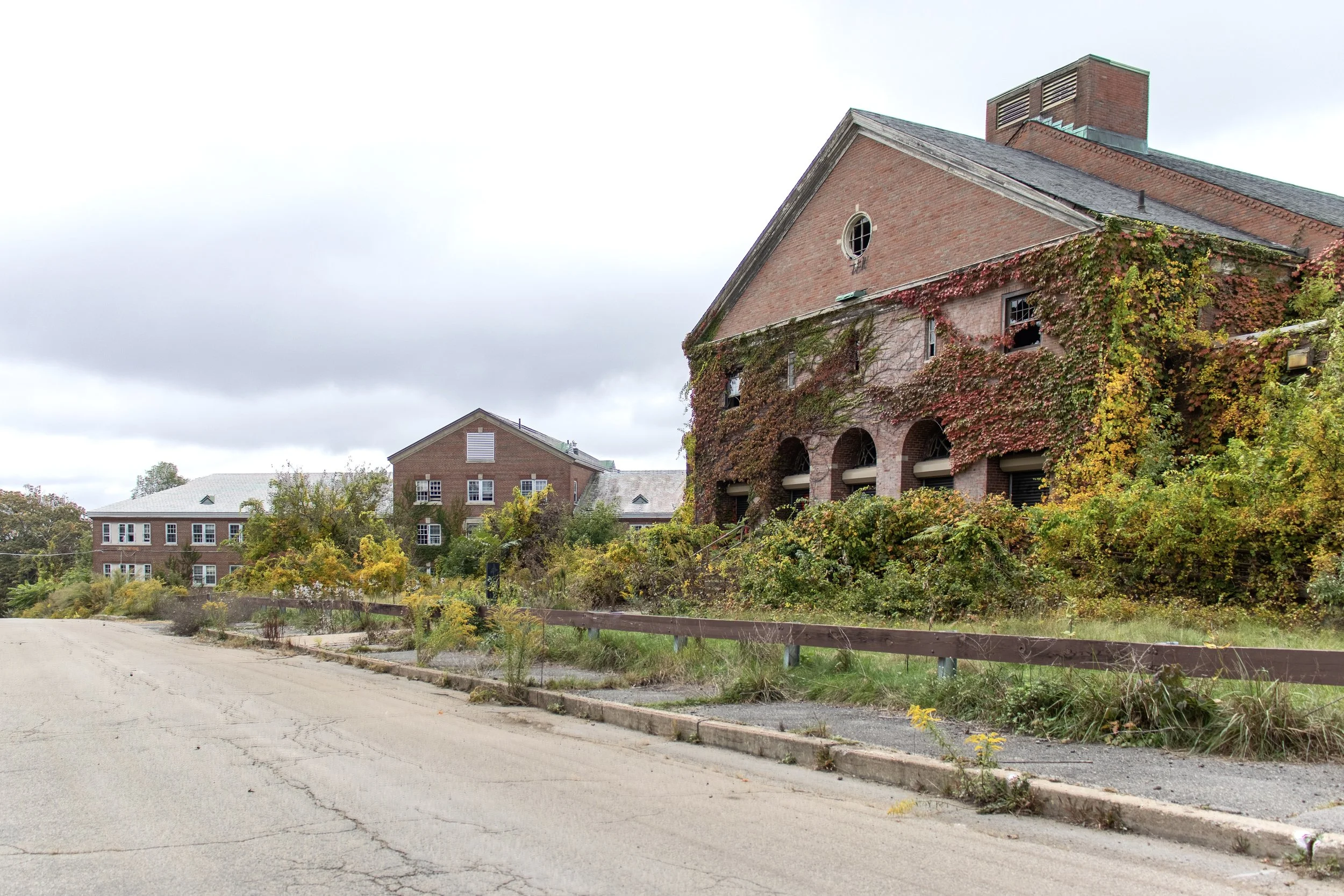
Auditorium & Marquart Buildings
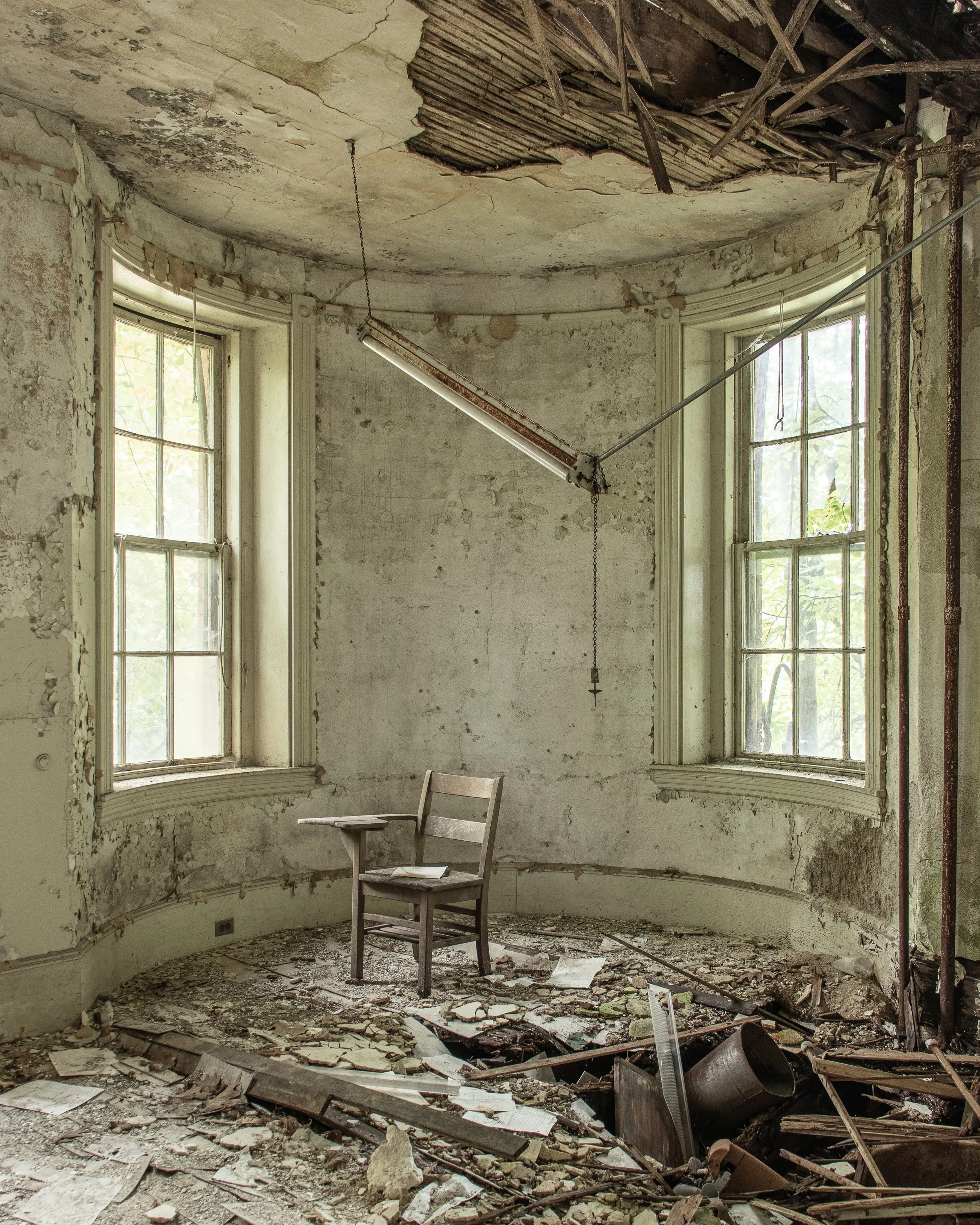
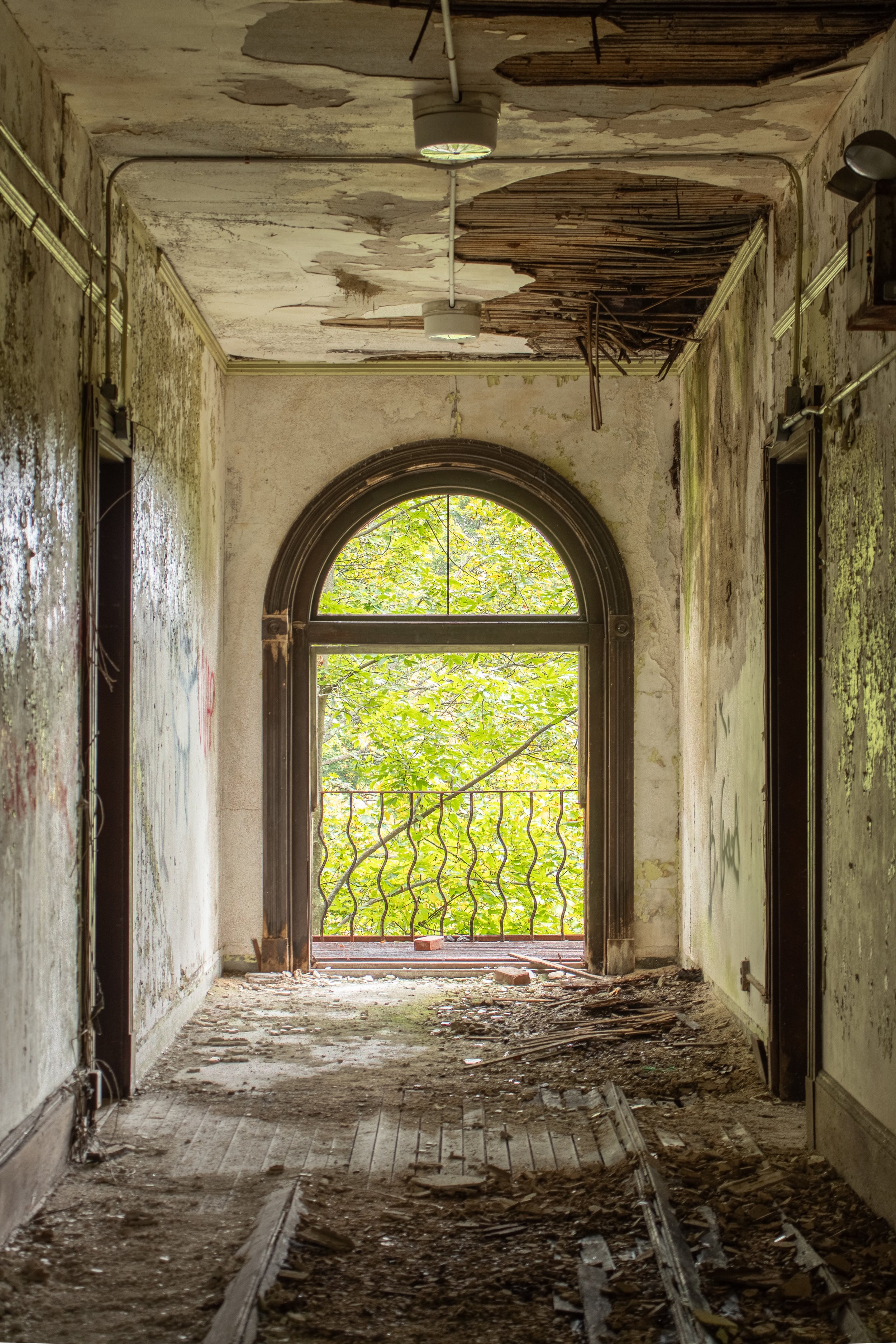
Hallway Window, Waverley Hall

Room Divide, Waverley Hall

Arched Windows, Waverley Hall

Arched Windows, Waverley Hall

Room Separation, Waverley Hall

Open Room, Waverley Hall
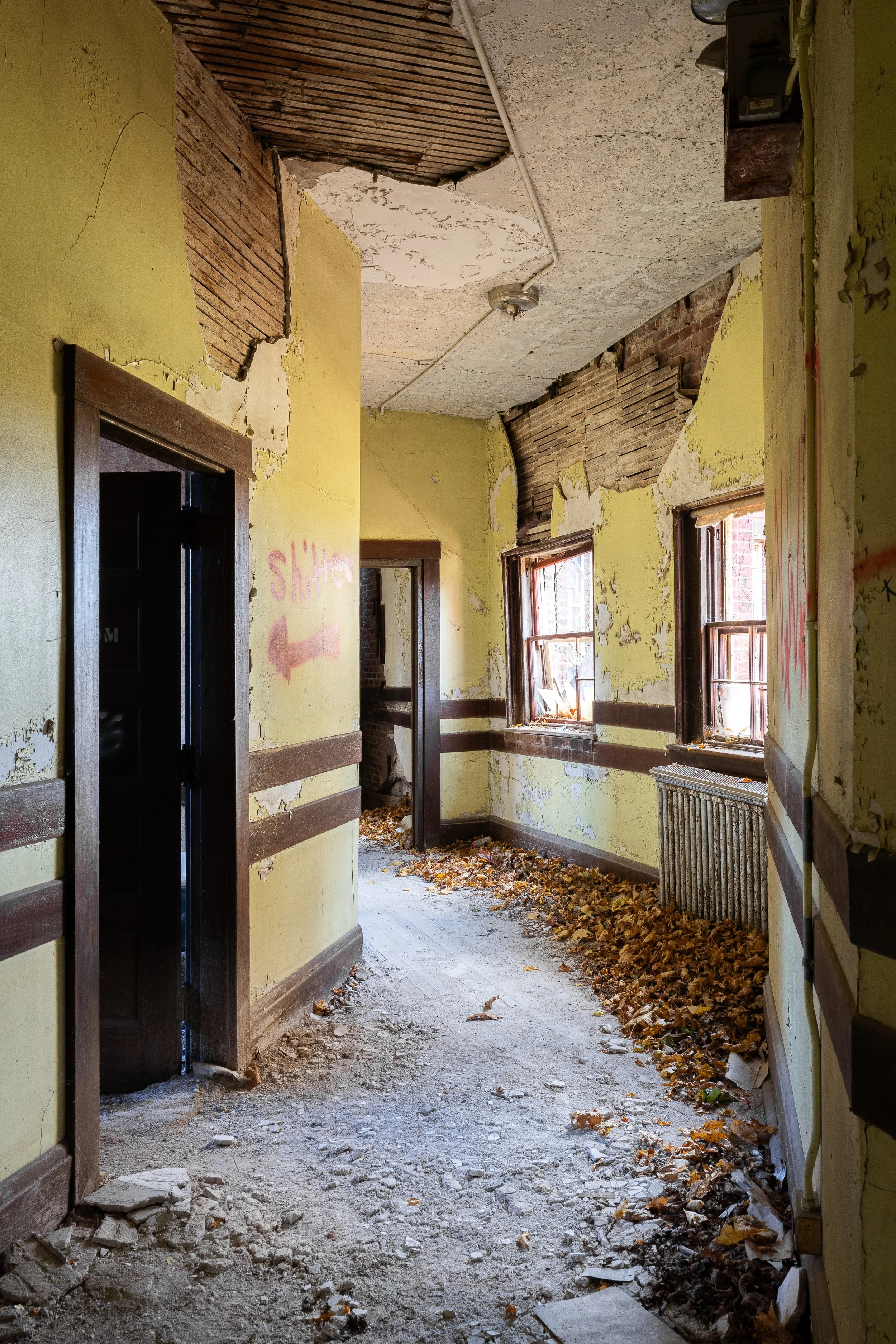
Yellow Hall Connection, Waverley Hall
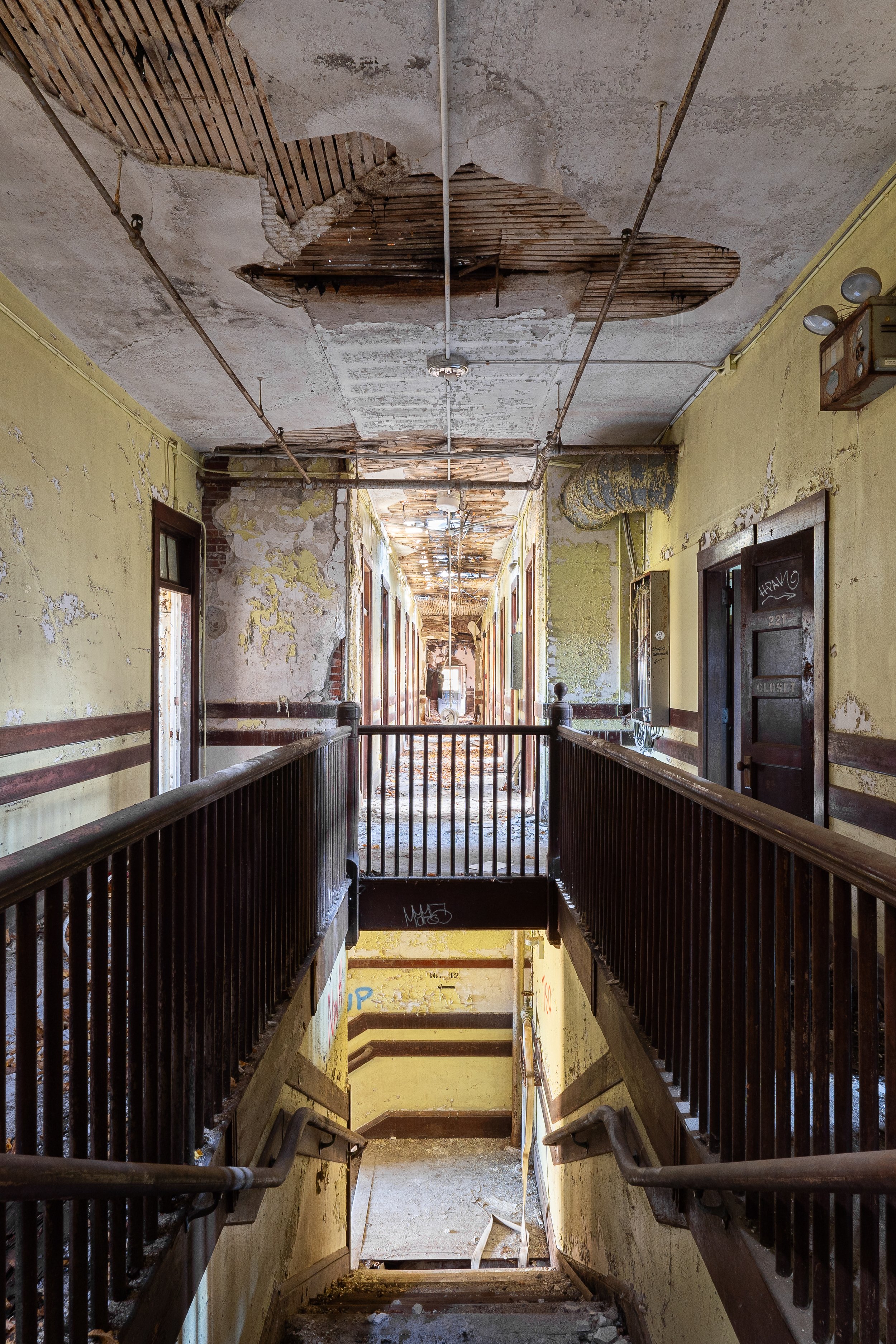
Stairway to the Dorm Hallway, Waverley Hall

Full Bathtub, Waverley Hall

Fall Foliage on the Ruins, Boys' Dorm
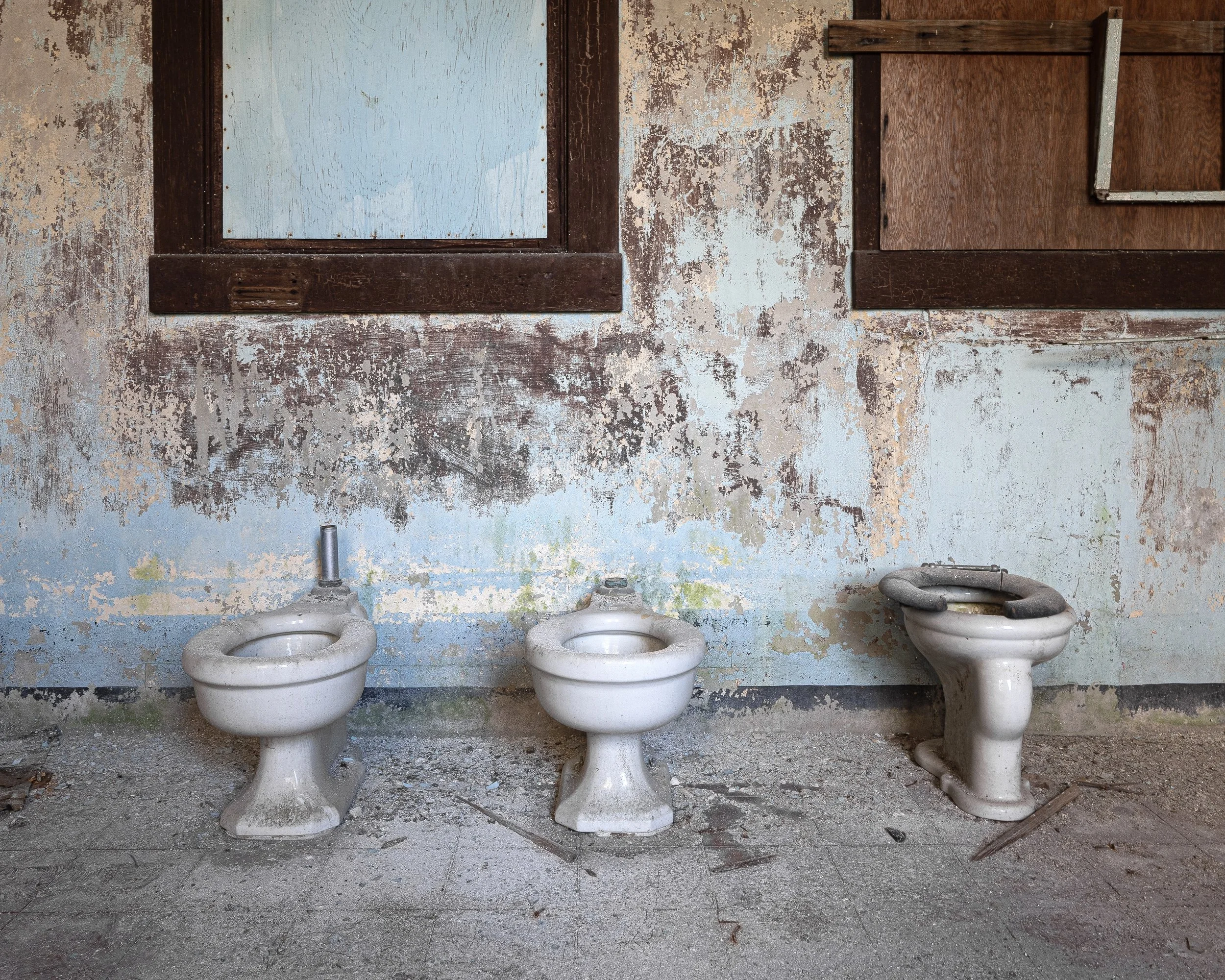
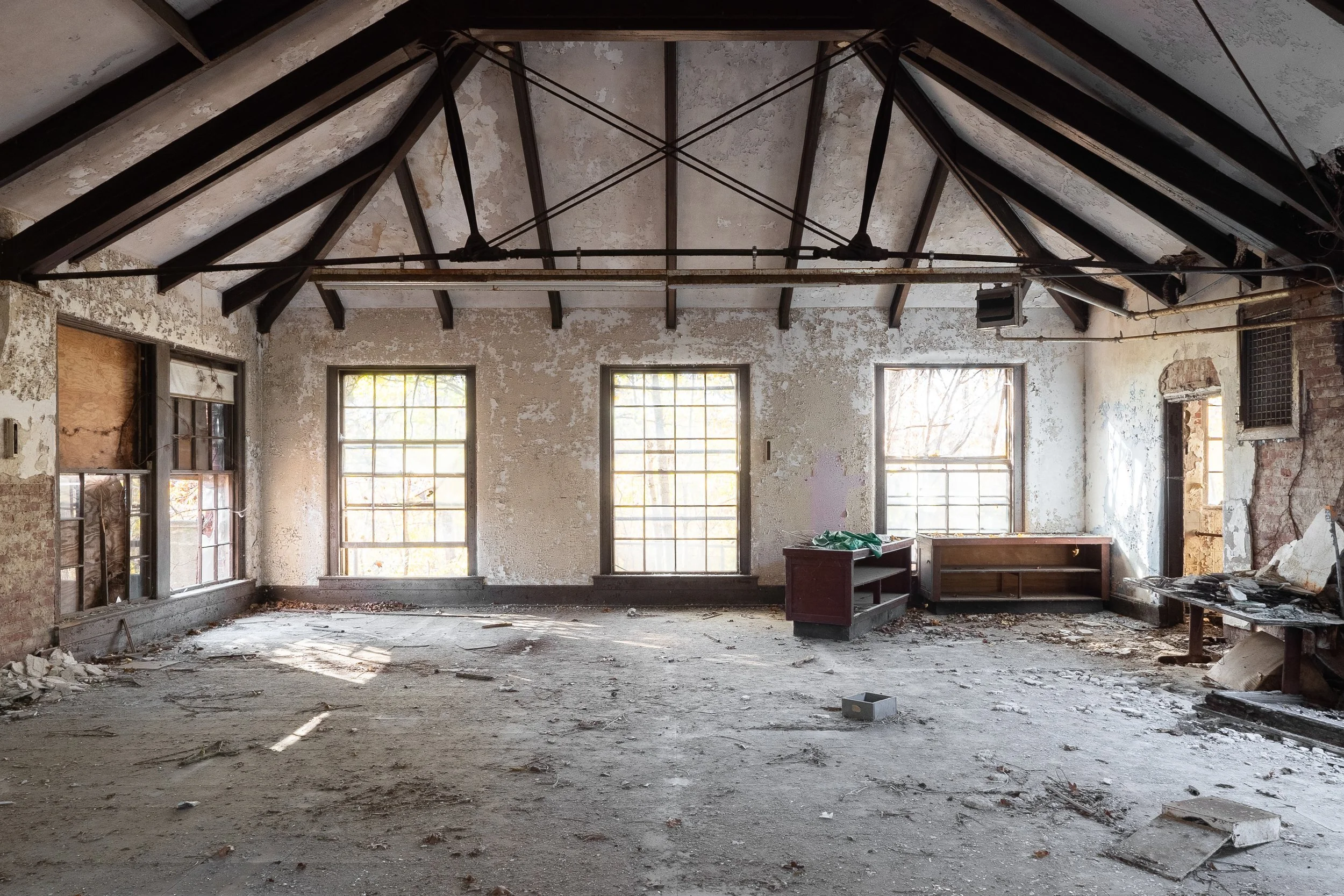
Dayroom Windows, Infirmary

Peels & Hooks, Waverely Hall

Auditorium

Gymnasium

Yellow Peels, Dowling Building

East Dowling Building

Arched Window, Dowling Building

Eye Exam, Marquardt Building

Curtain Closed, Marquardt Building

Kitchen, Food Service Building
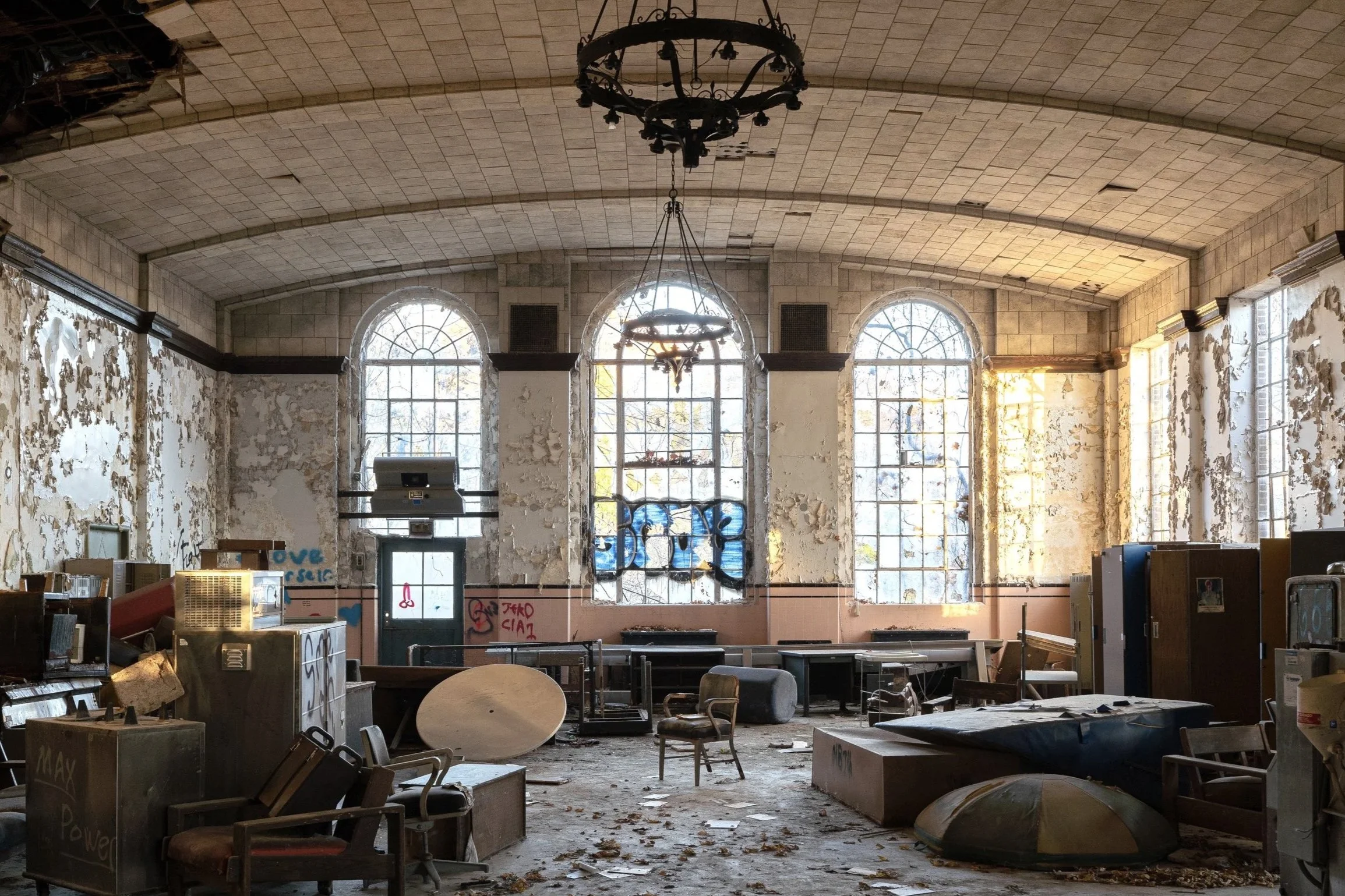
Dining Hall, Food Service Building
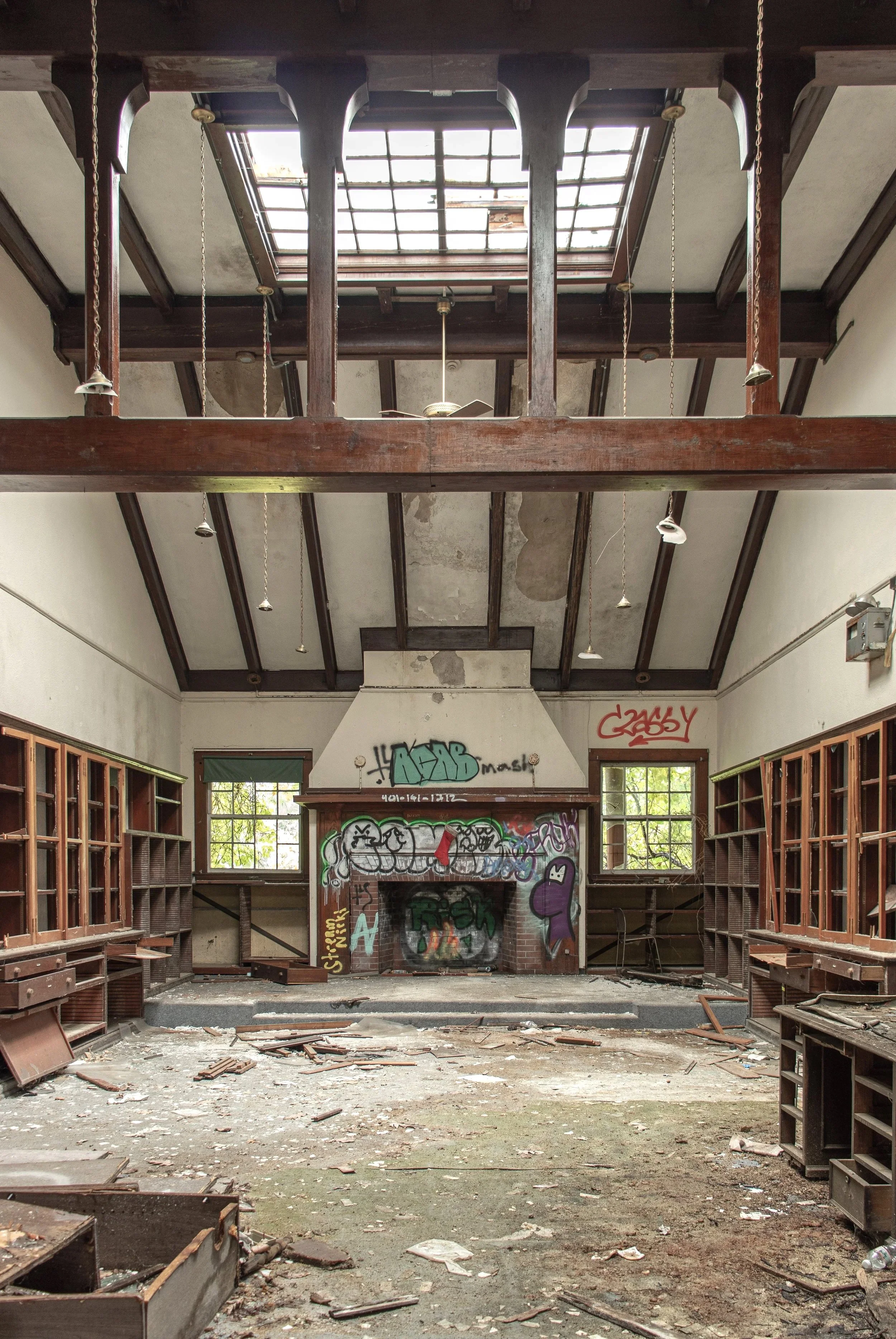
Main Hall, Library

Dayroom, West Building

Dayroom, West Building
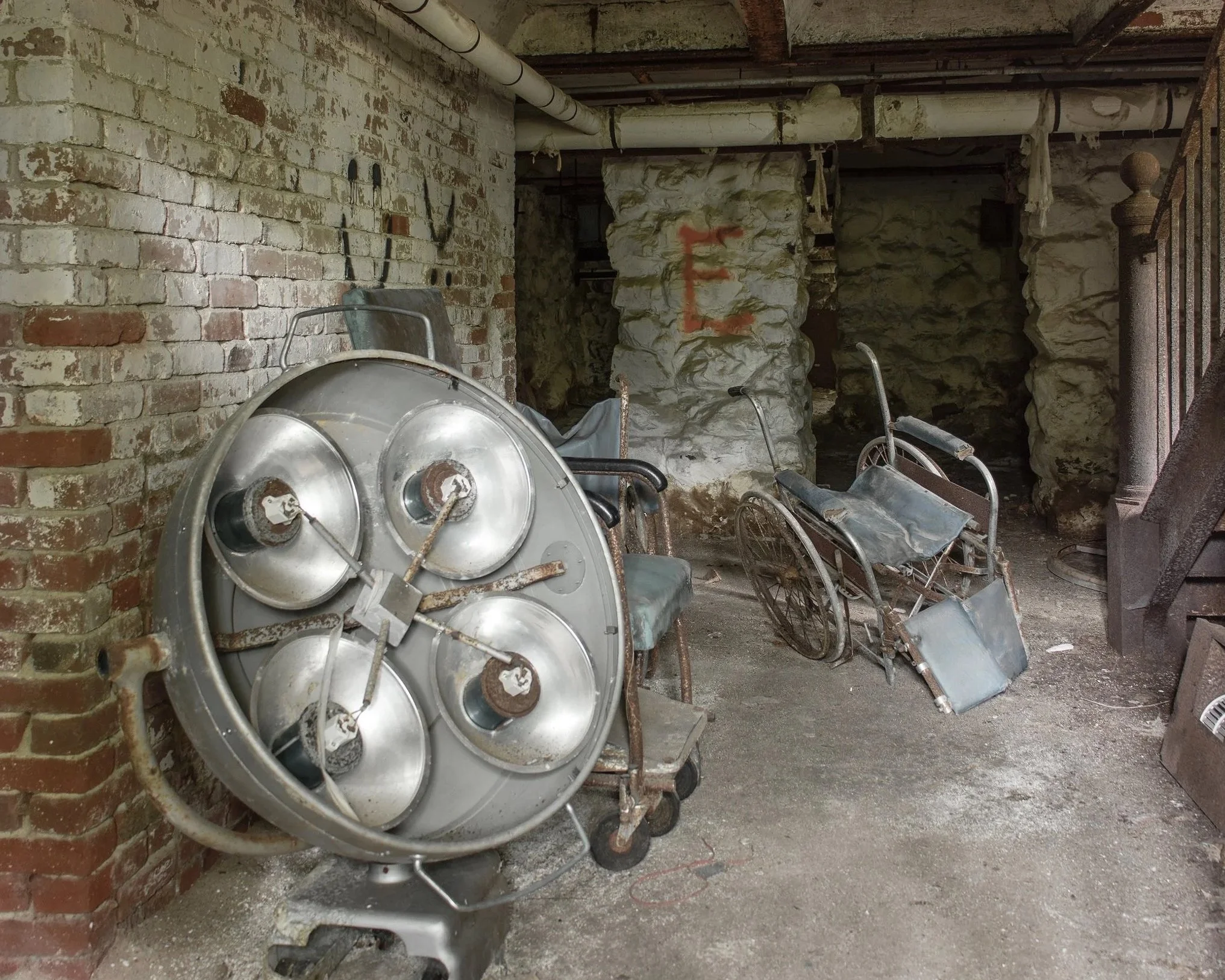
Forgotten Operating Light, West Building
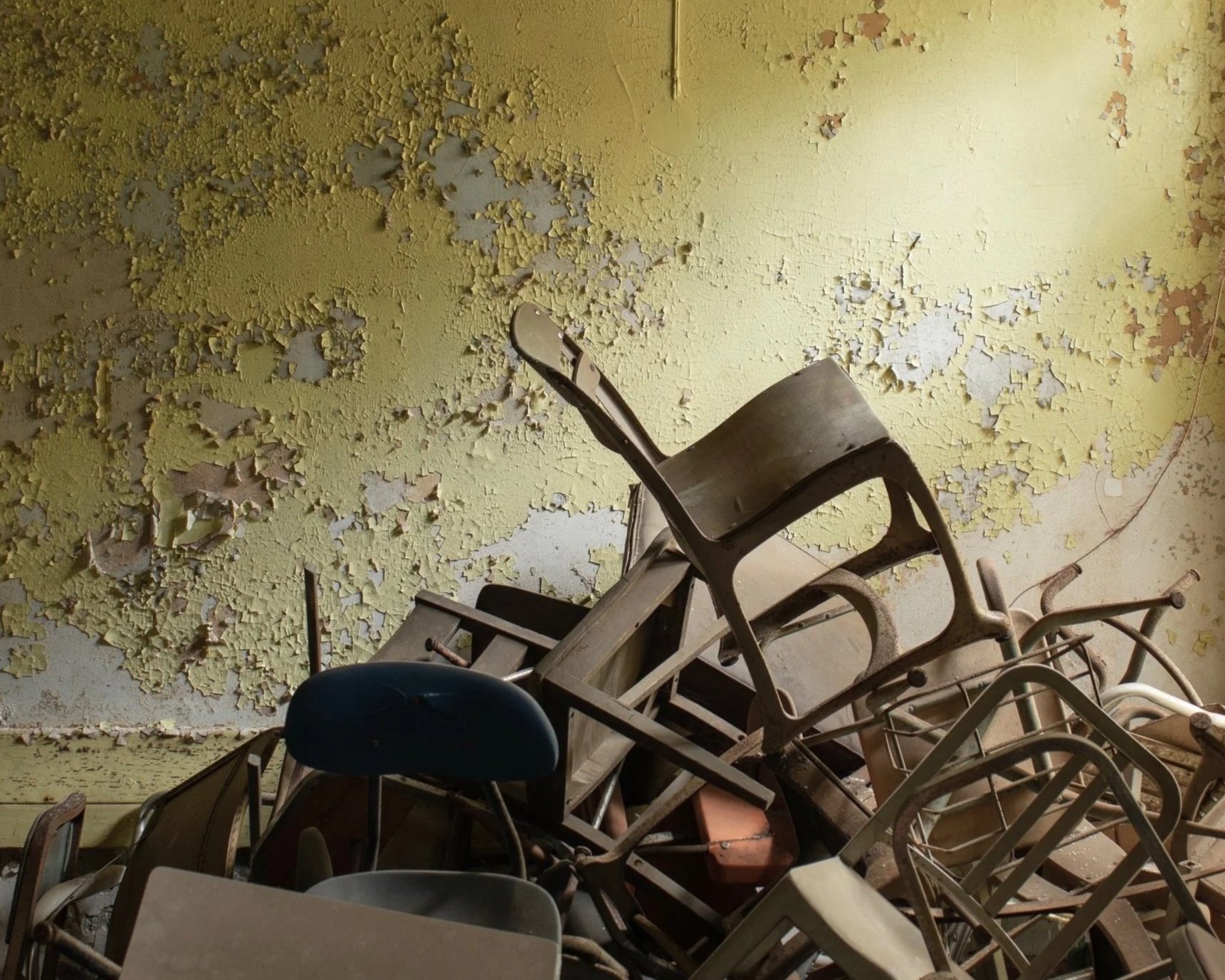
Piled Chairs, West Building
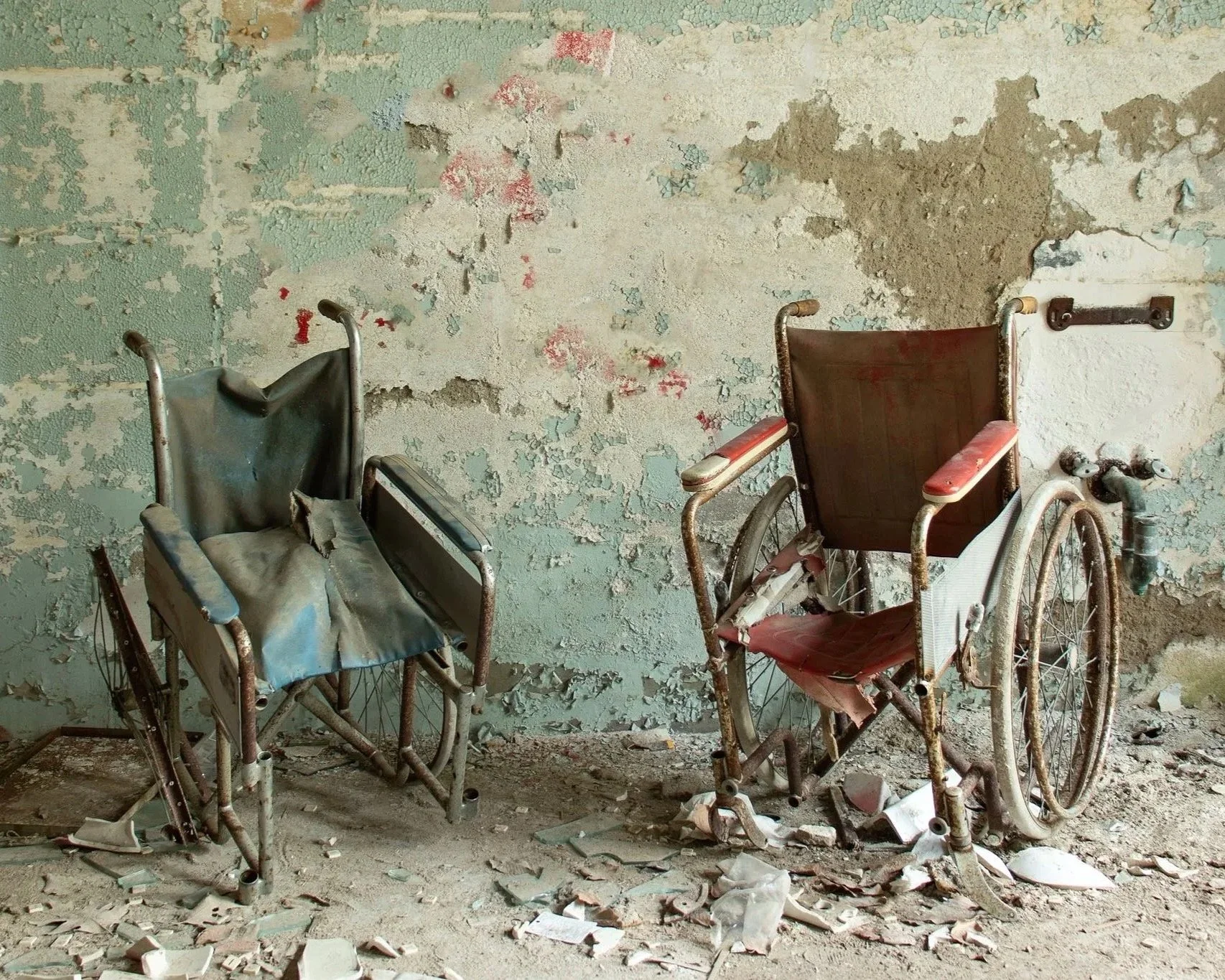
Wheelchairs, West Building
The Walter E. Fernald Developmental Center (Commonly known as the Fernald State School) in Waltham, Massachusetts was the first institution in the Western U.S hemisphere that focused on people with developmental disabilities . The institution first opened in 1848 as the Massachusetts School for the Feeble Minded located in Southern Boston. The school was in much need of expansion, after taking on so many roles in helping the mentally disabled, and this led to the purchase of a large piece of land in Waltham in 1887, which led to a new campus beginning construction in 1888. The campus was built in a cottage plan, and was expanded over the years. The campus featured many living quarters, staff homes, a pool, a gym, a theater, etc. The campus was home to around 500 residents by 1911, and then at its peak of 2,600 residents in the 1960s. The third superintendent of the facility, Walter E. Fernald passed away in 1925 which led to the institution being renamed the Walter E. Fernald Developmental Center. Fernald’s ideals were in place at the institute since 1884 however, which implemented a more scientific idea within the treatment of patients. The facility’s new ideals of curing “feeble minded children,” the public stood behind, and Fernald was viewed highly as an institution for people to send their children whom had mental disabilities. Around the 1940’s, it was reported that many incidents of mistreatment was taking place within the walls of the Walter E. Fernald School, such as being abused, malnourished, and poorly educated. Many patients were victims of medical experiments, such as the feeding of radioactive oatmeal, and this all took place without parental consent. Years later, many advocates took the mental health care to the courts which led to a large number of residents of the facility being moved to other facilities, leaving the treatments of the remaining patents of Fernald to significantly improve. Many children took part in clubs to help boost their confidence while living life in a developmental center, and winners of games would be rewarded with extra privileges. By the early 2000’s, only around 300 patients remained, and a vast majority of the buildings had been left abandoned over the course of the past couple of decades. Fernald would have plans to close in 2007, however keeping the facility open was very important to families who had been a part of keeping it running. In 2014, the last remaining buildings shut down, and any remaining residents were moved to other state-run institutions nearby. Ever since the closure of the campus, the Walter E. Fernald Developmental Center was left completely abandoned, attracting vandals, scrappers, homeless, and of course, curious onlookers, and ghost hunters seeking a closer look through the dilapidated buildings that were once filled with so much life. More recently, some buildings on the property have been demolished with future plan ideas, however, the future of the enormous campus is still uncertain, and it will likely continue to decay for years to come.