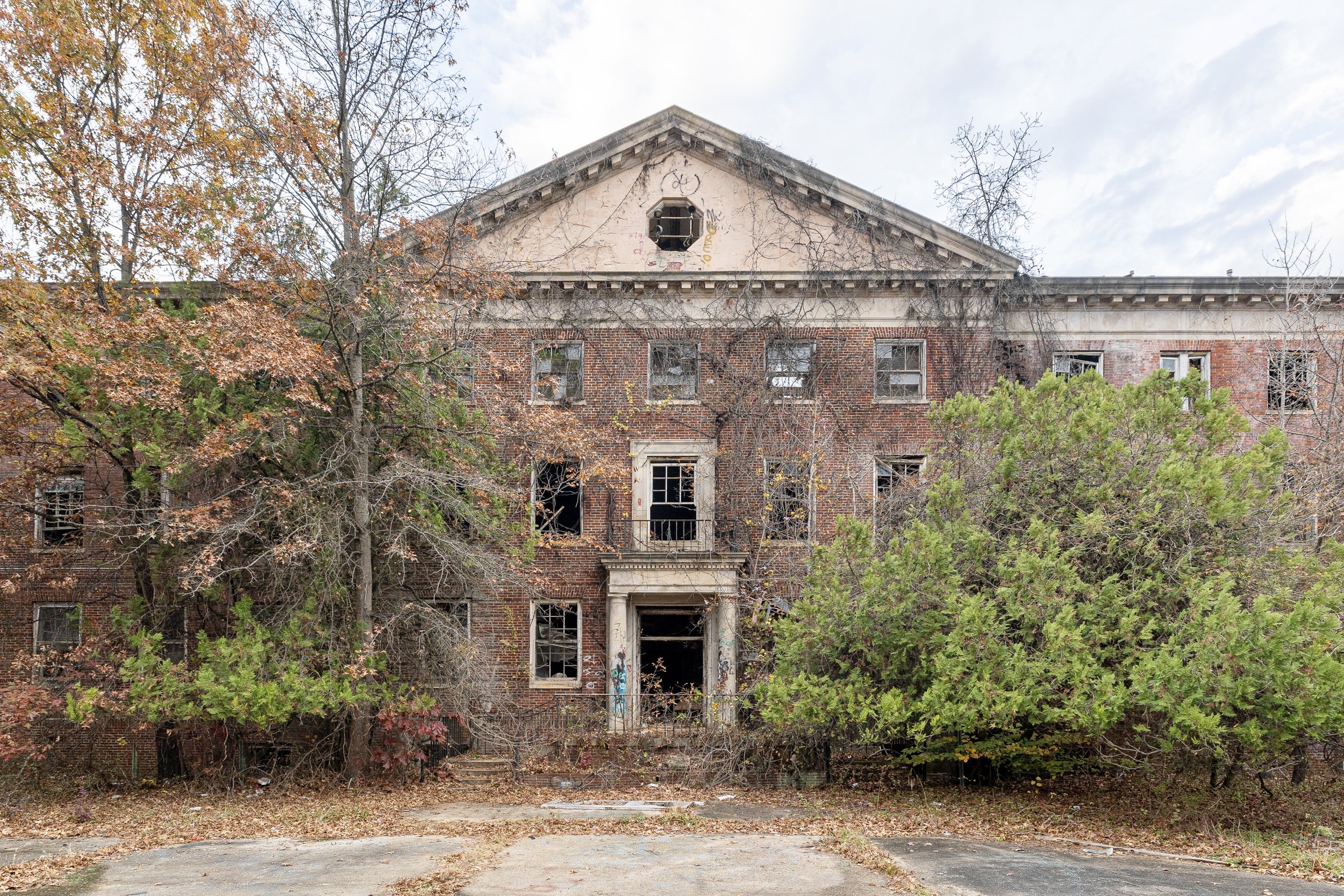
Administration Building/ Hospital
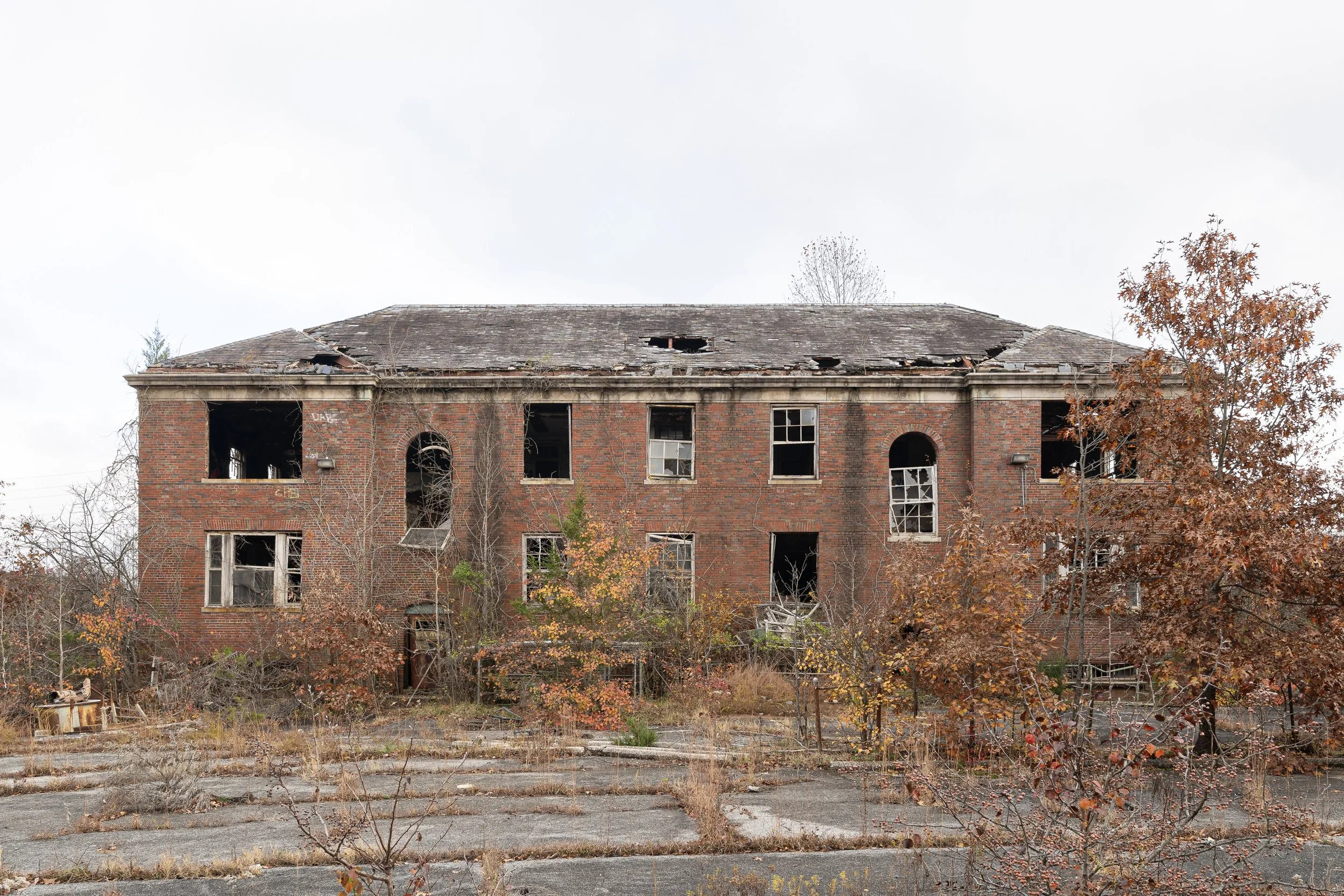
Staff Dorm
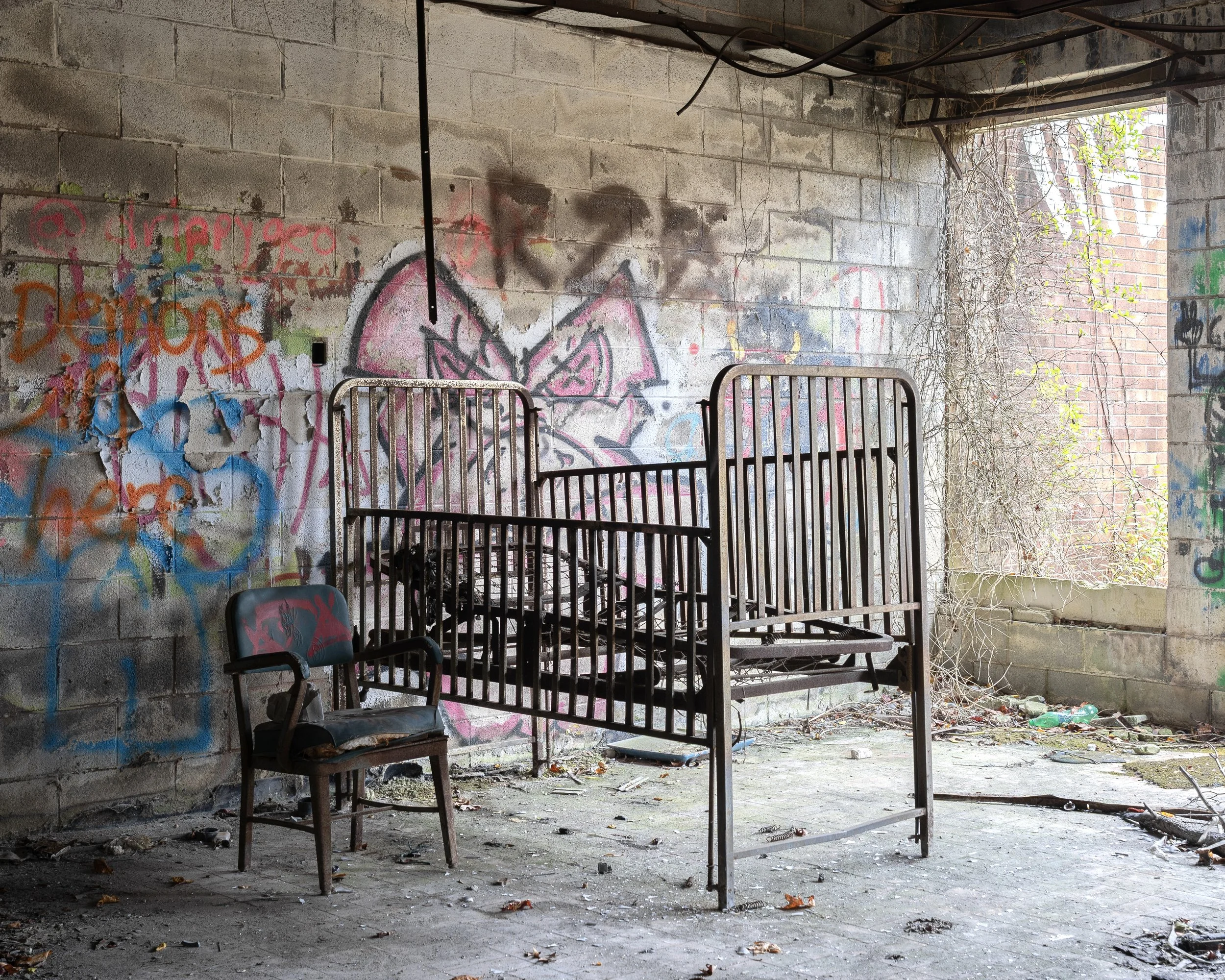
Forgotten Crib, Helen Curley Building (Patient Housing)
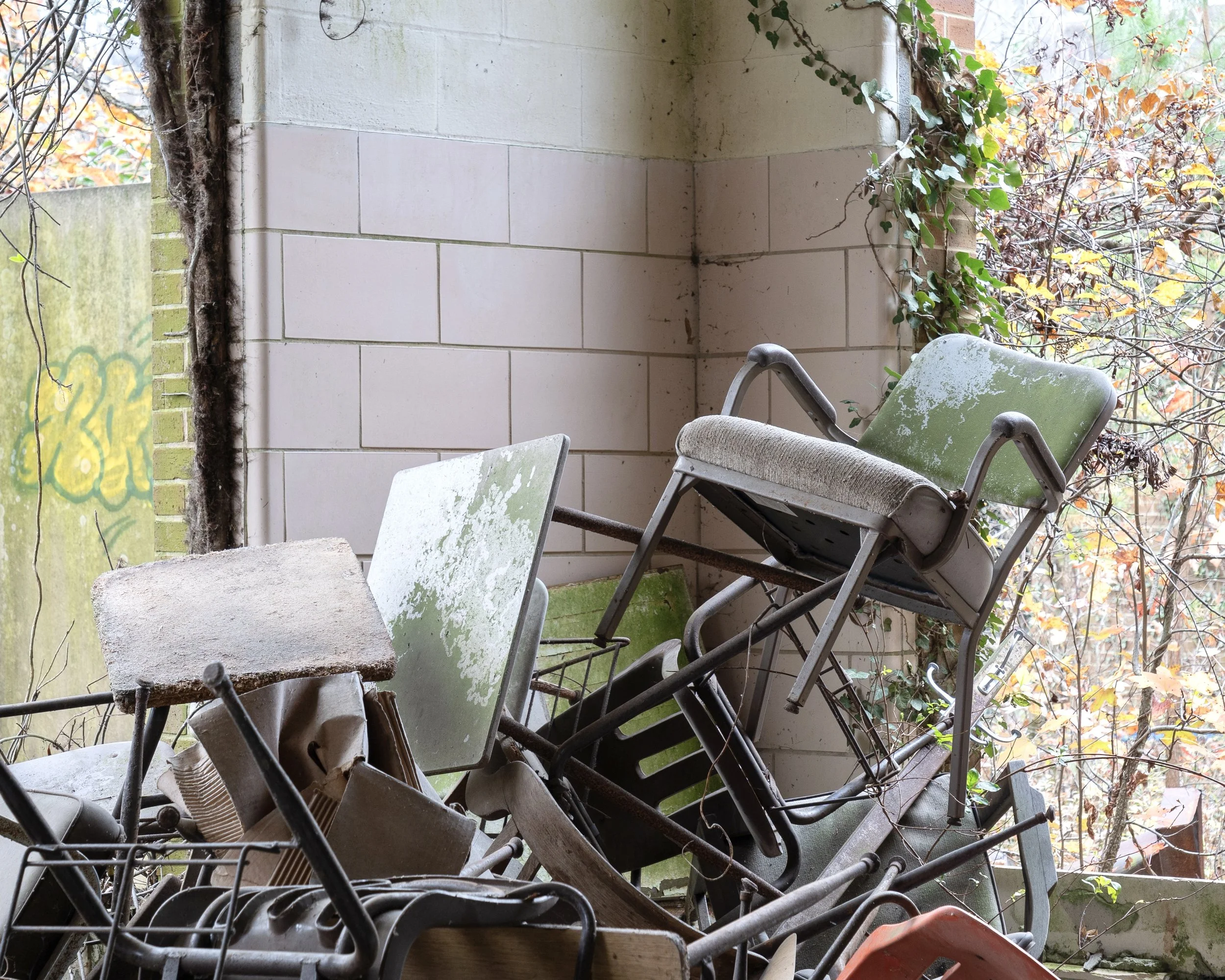
Chair Pile, Helen Curley Building (Patient Housing)
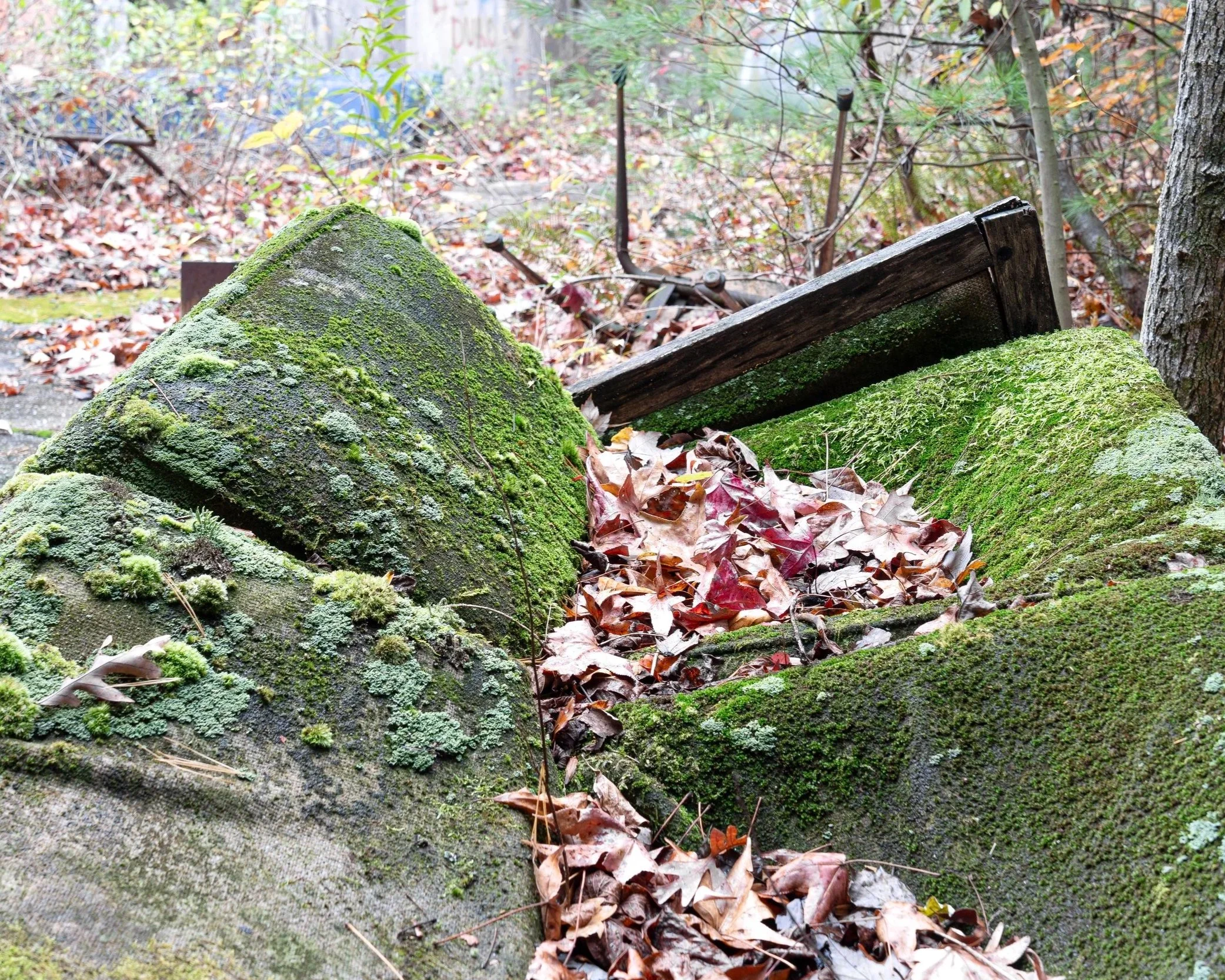
Mossy Couch, Helen Curley Building (Patient Housing)

Exam Chair, Helen Curley Building (Patient Housing)
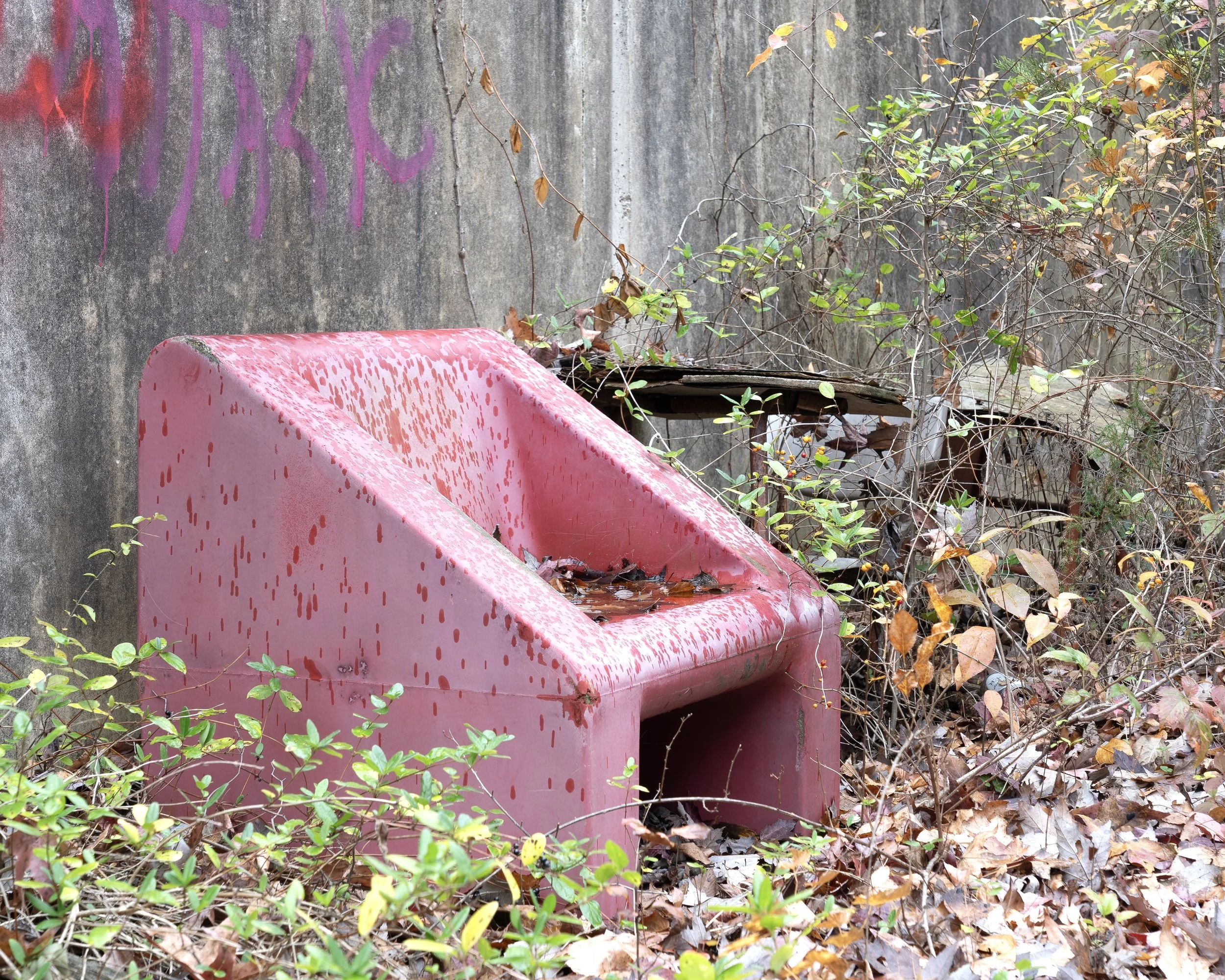
Courtyard Chair, Helen Curley Building (Patient Housing)
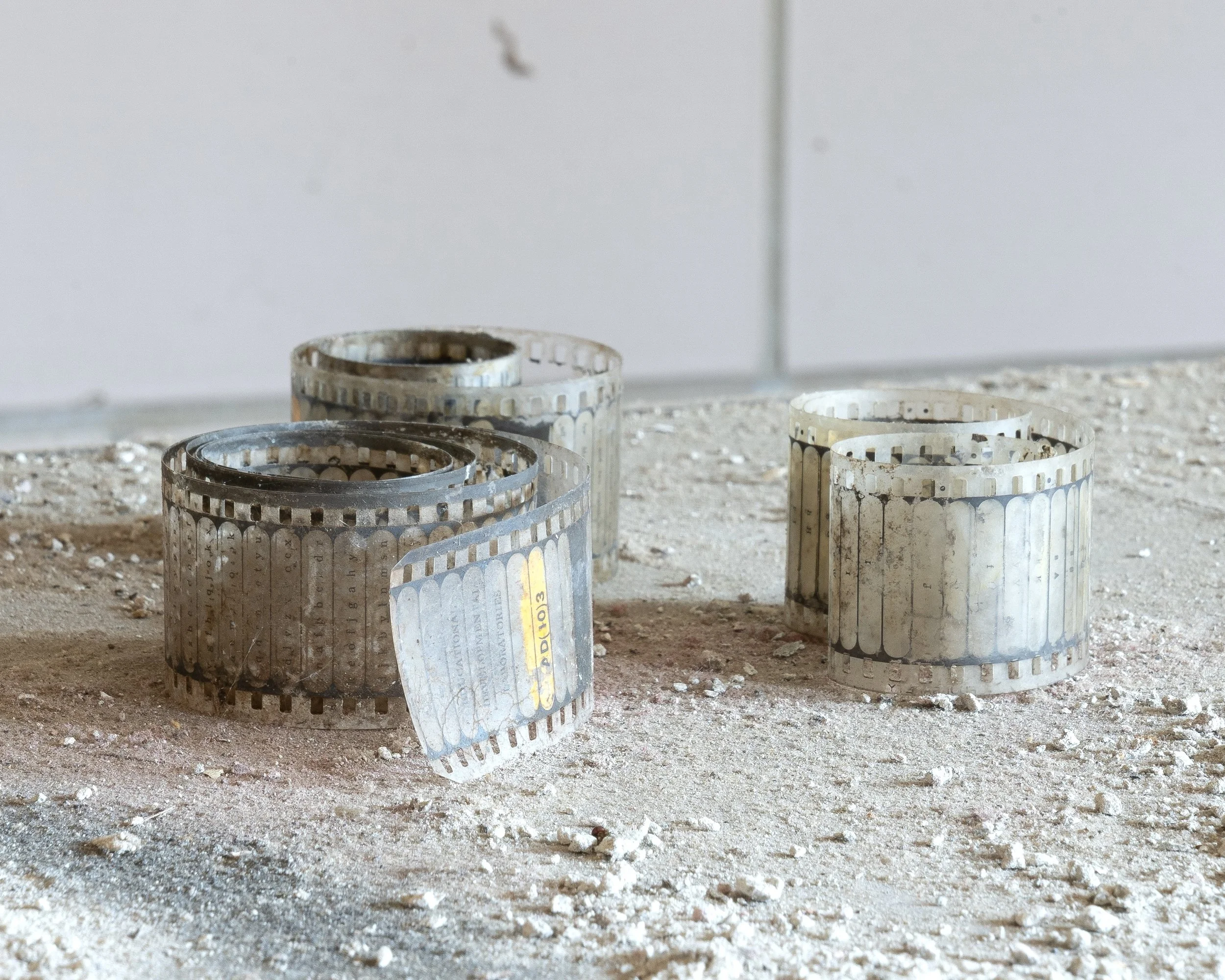
Old Film Reels, Helen Curley Building (Patient Housing)
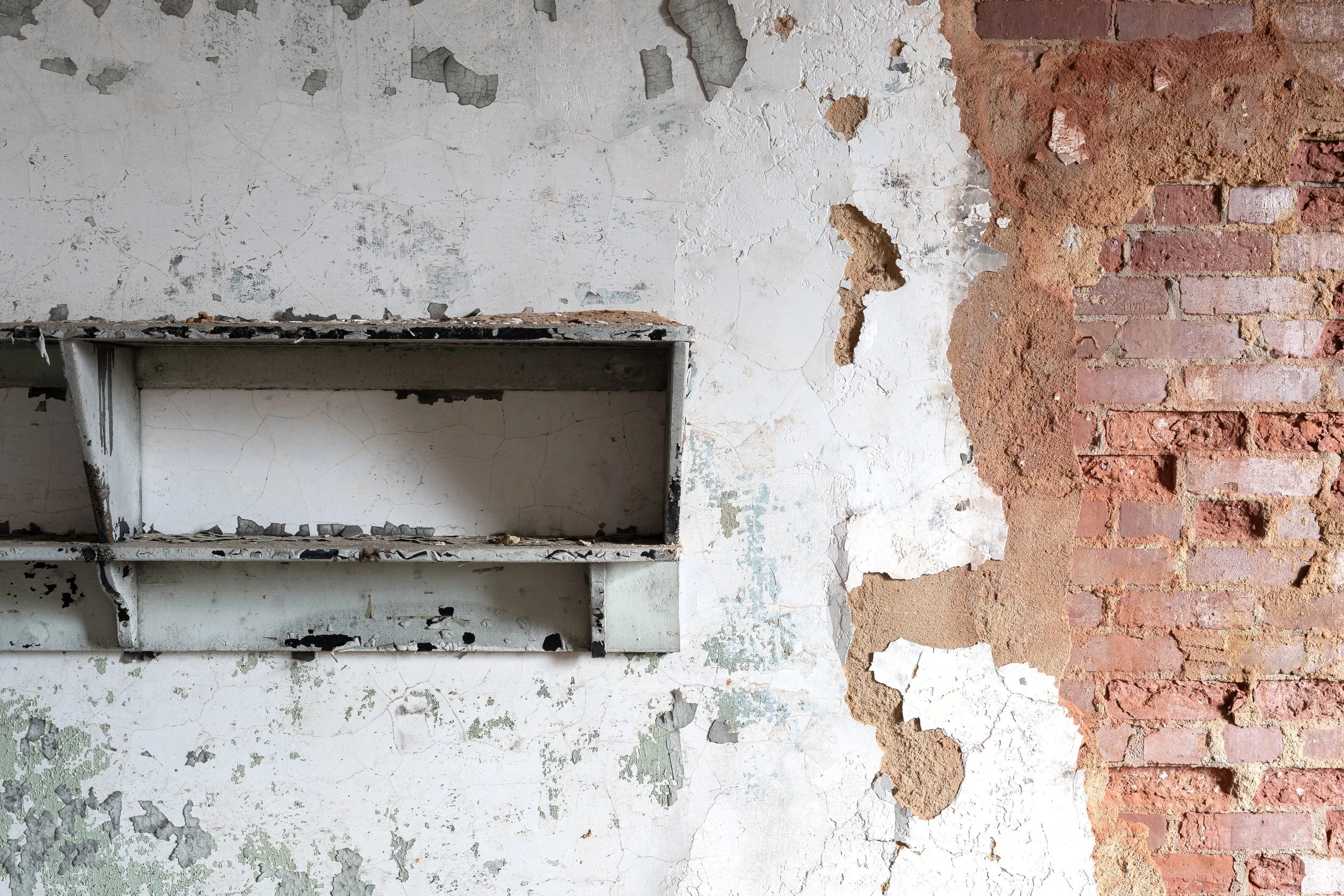
Decay Heading In, Administration Building/ Hospital
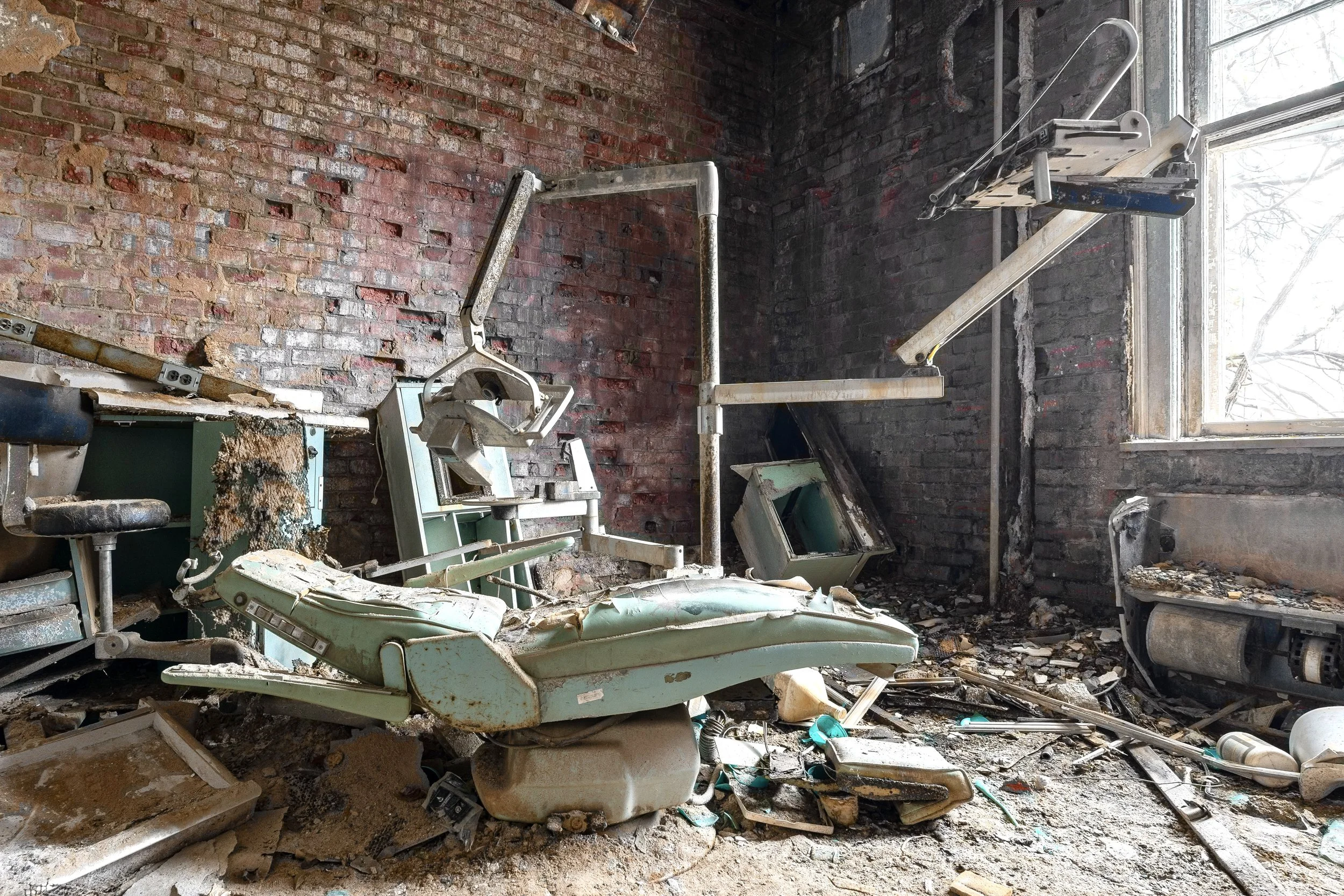
Dental Clinic, Administration Building/ Hospital
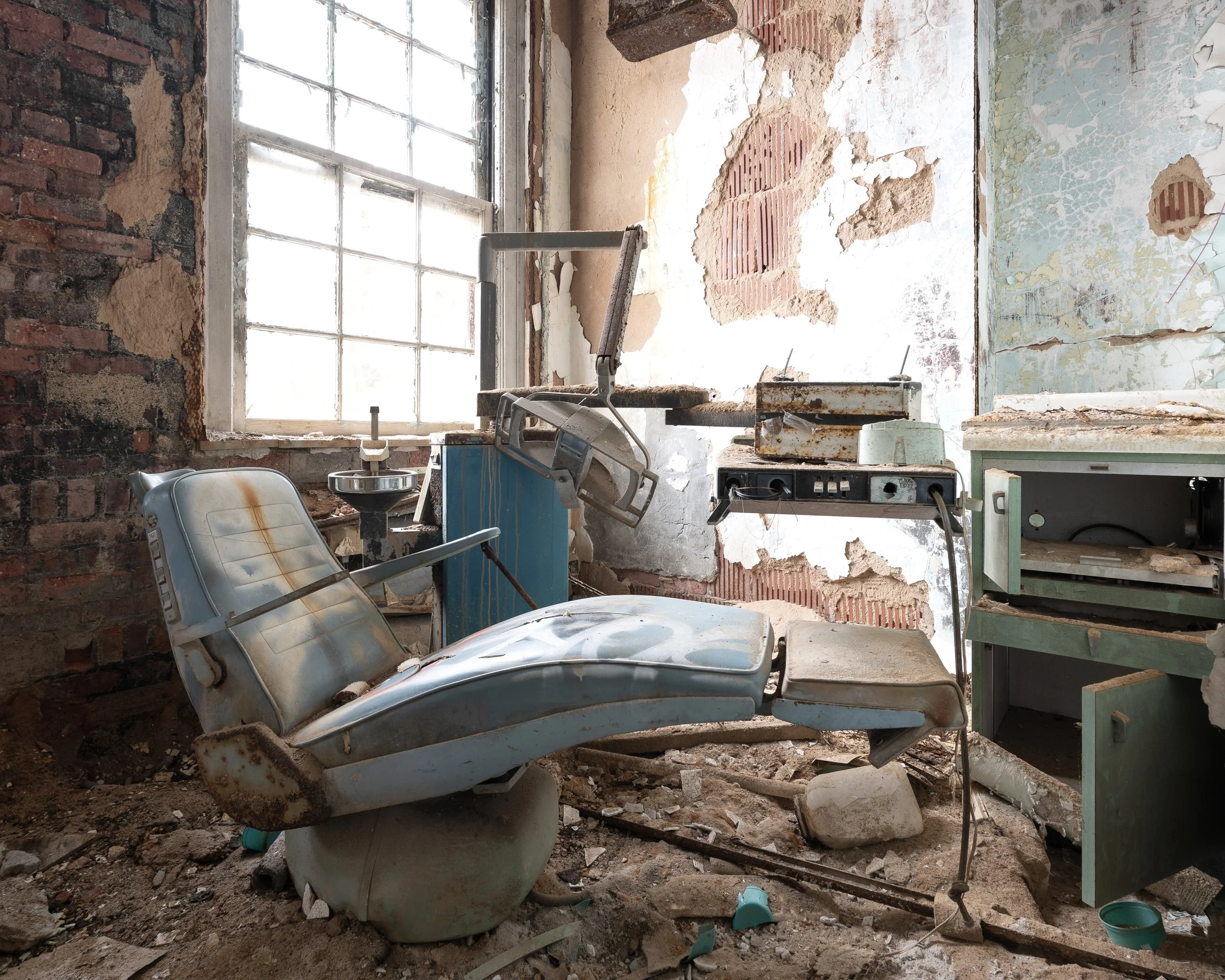
Dental Clinic, Administration Building/ Hospital
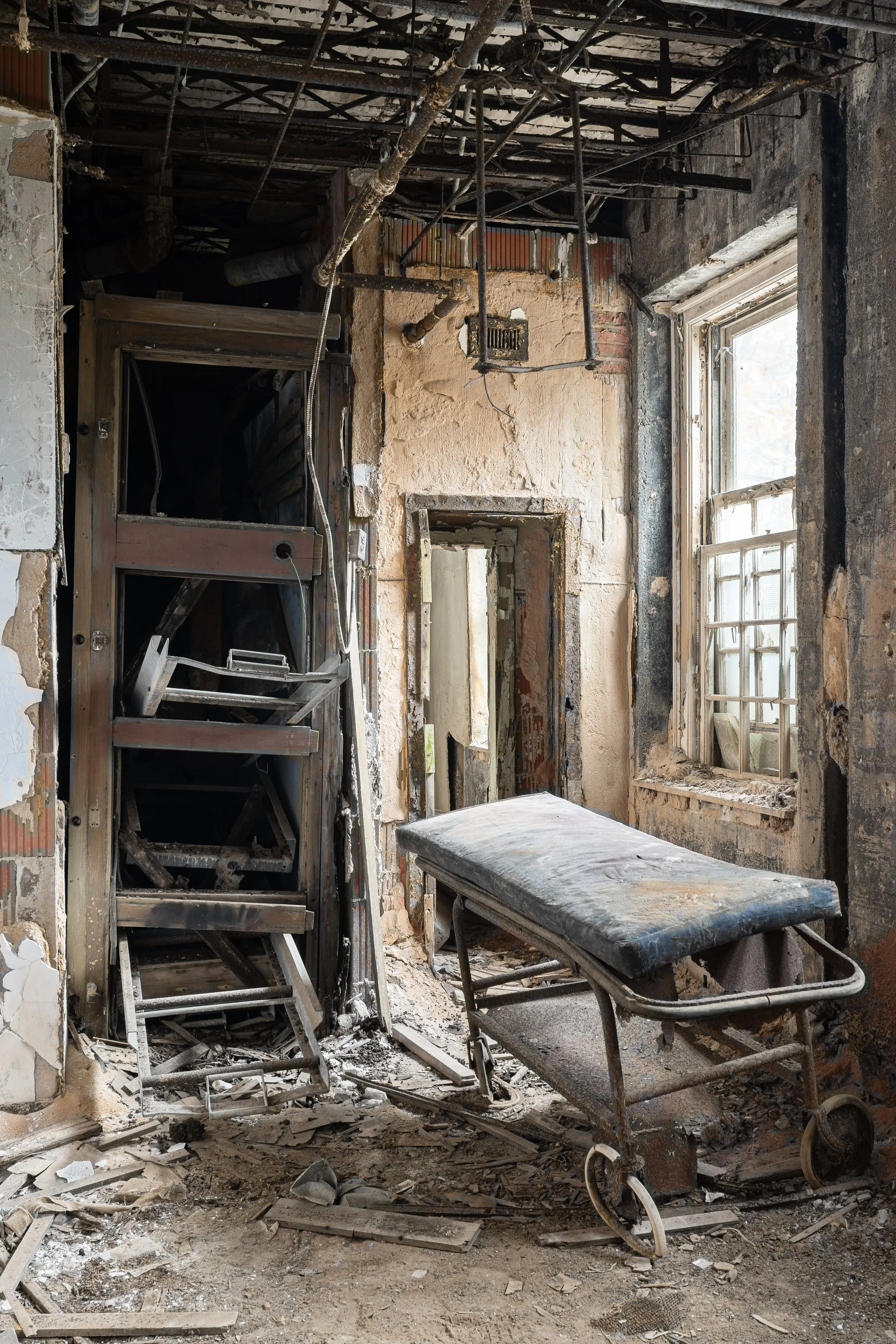
Dilapidated Morgue, Administration Building/ Hospital
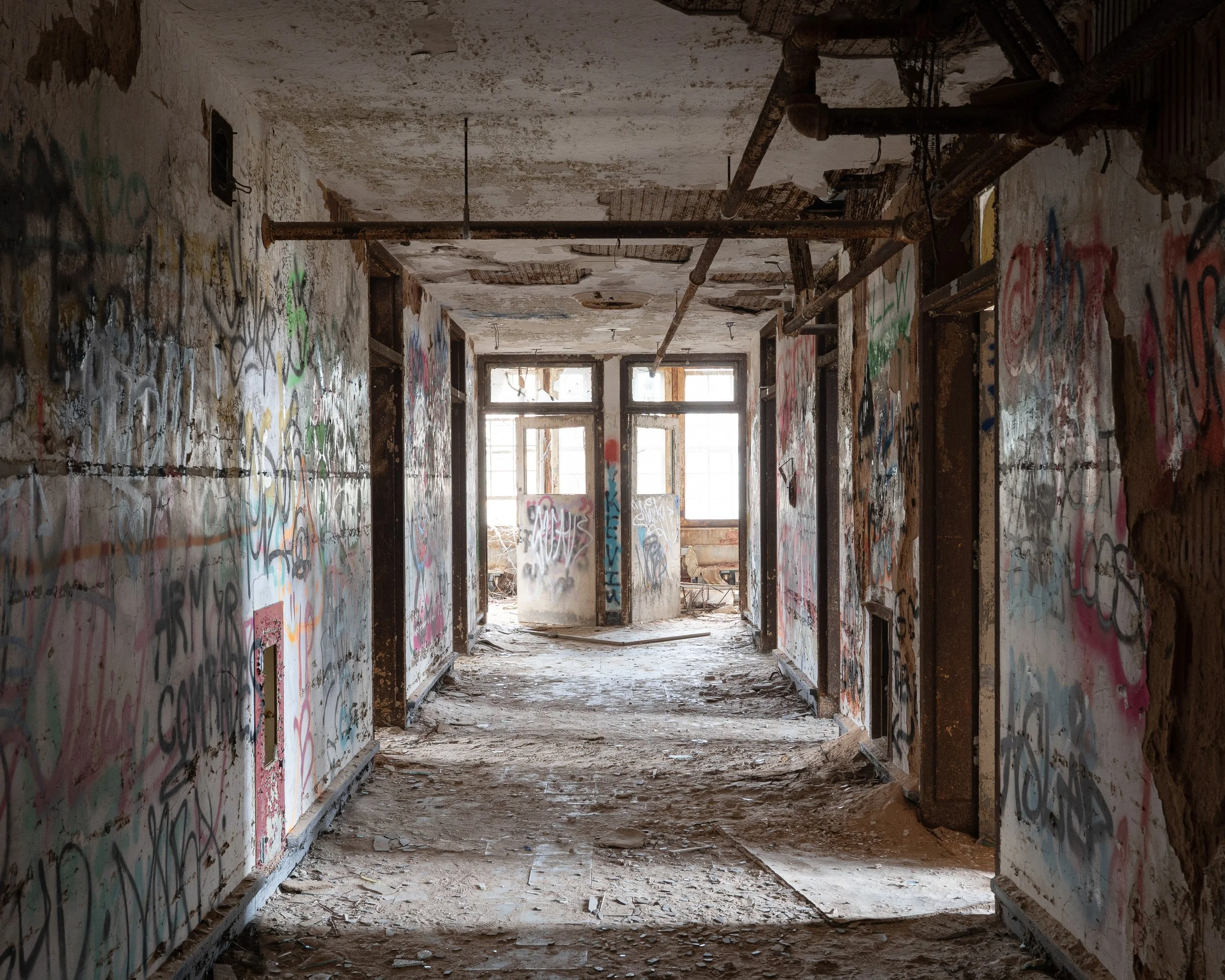
Patient Ward, Administration Building/ Hospital

Operating Suite, Administration Building/ Hospital
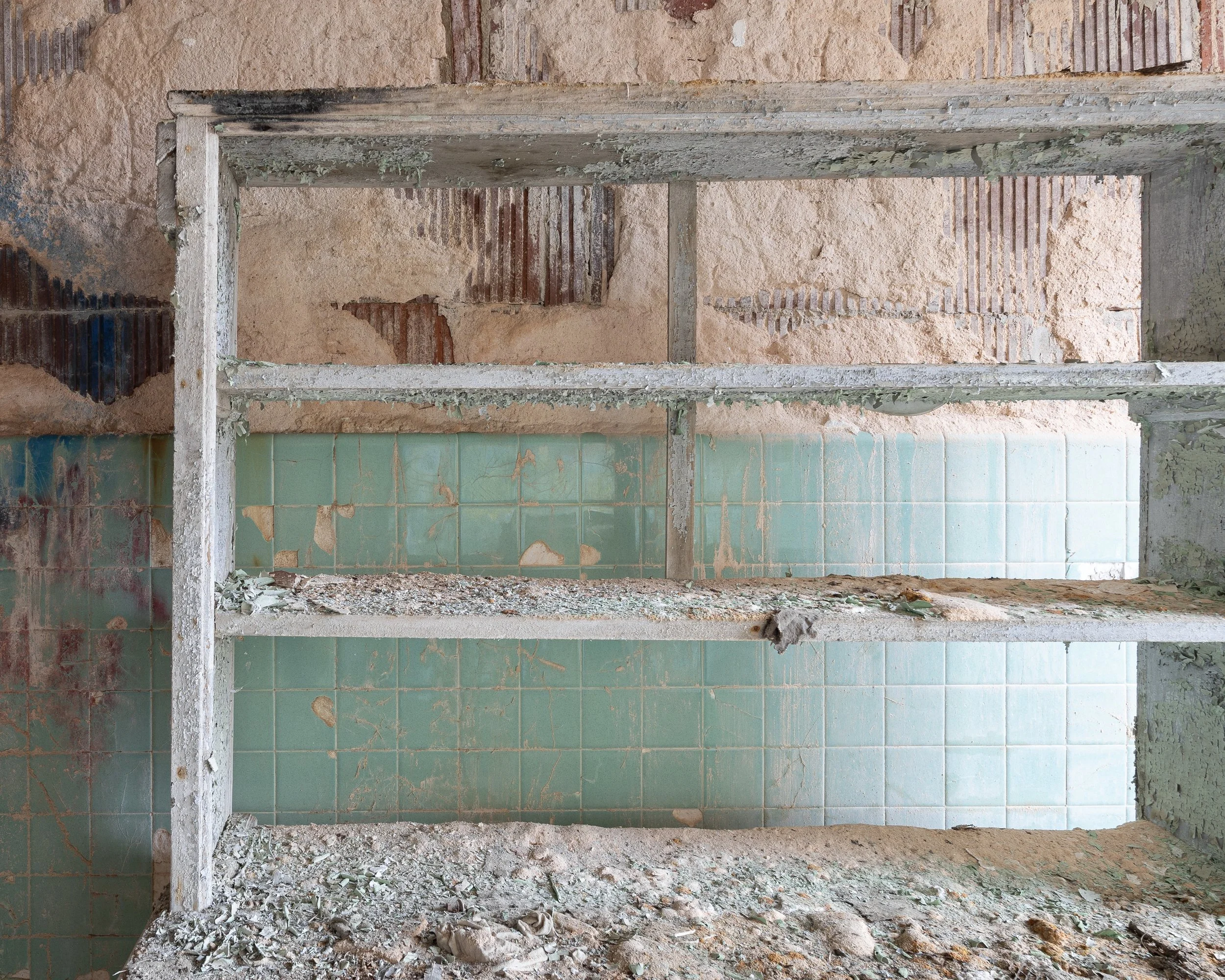
Medicine Shelf, Administration Building/ Hospital
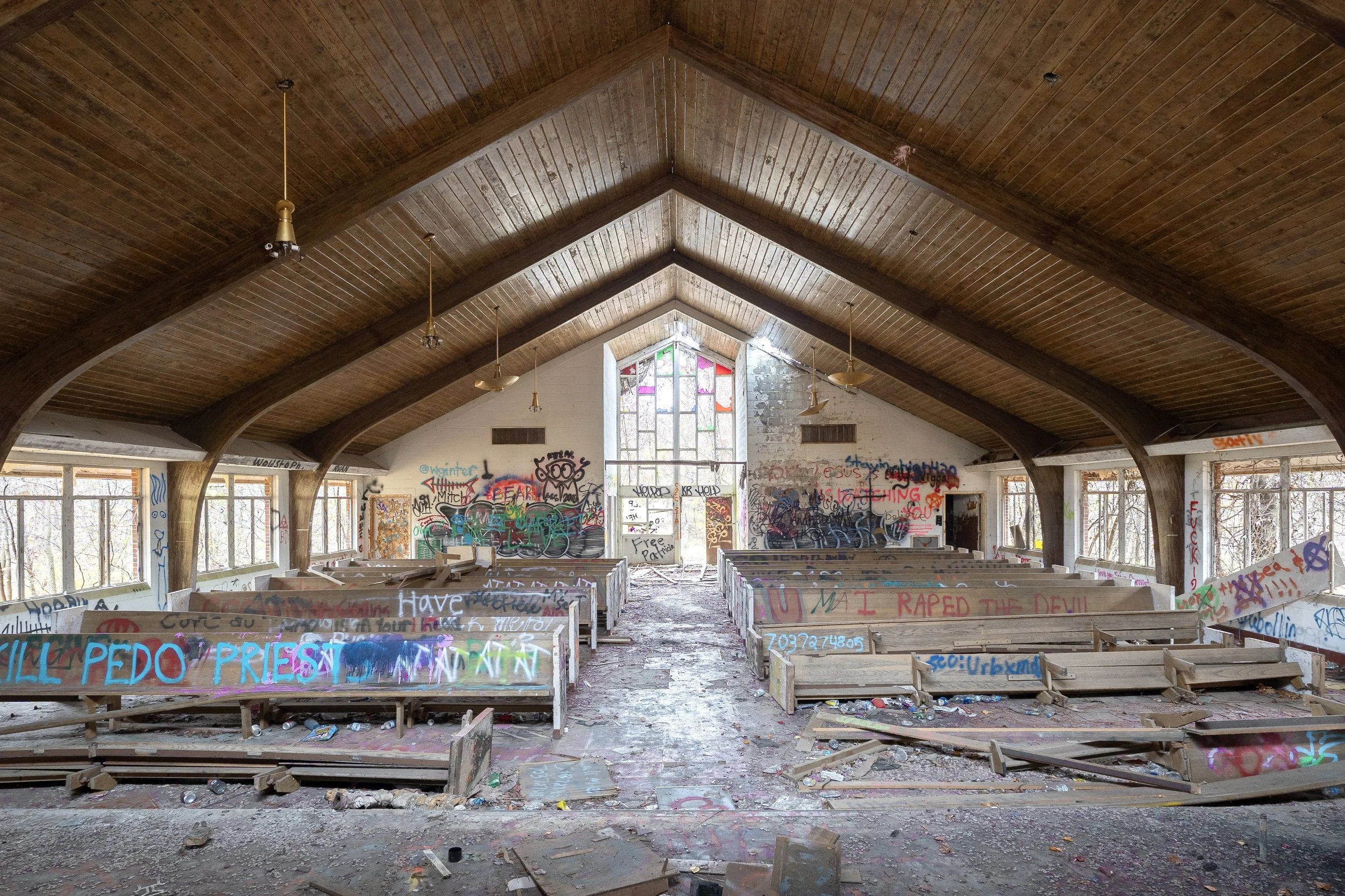
Chapel
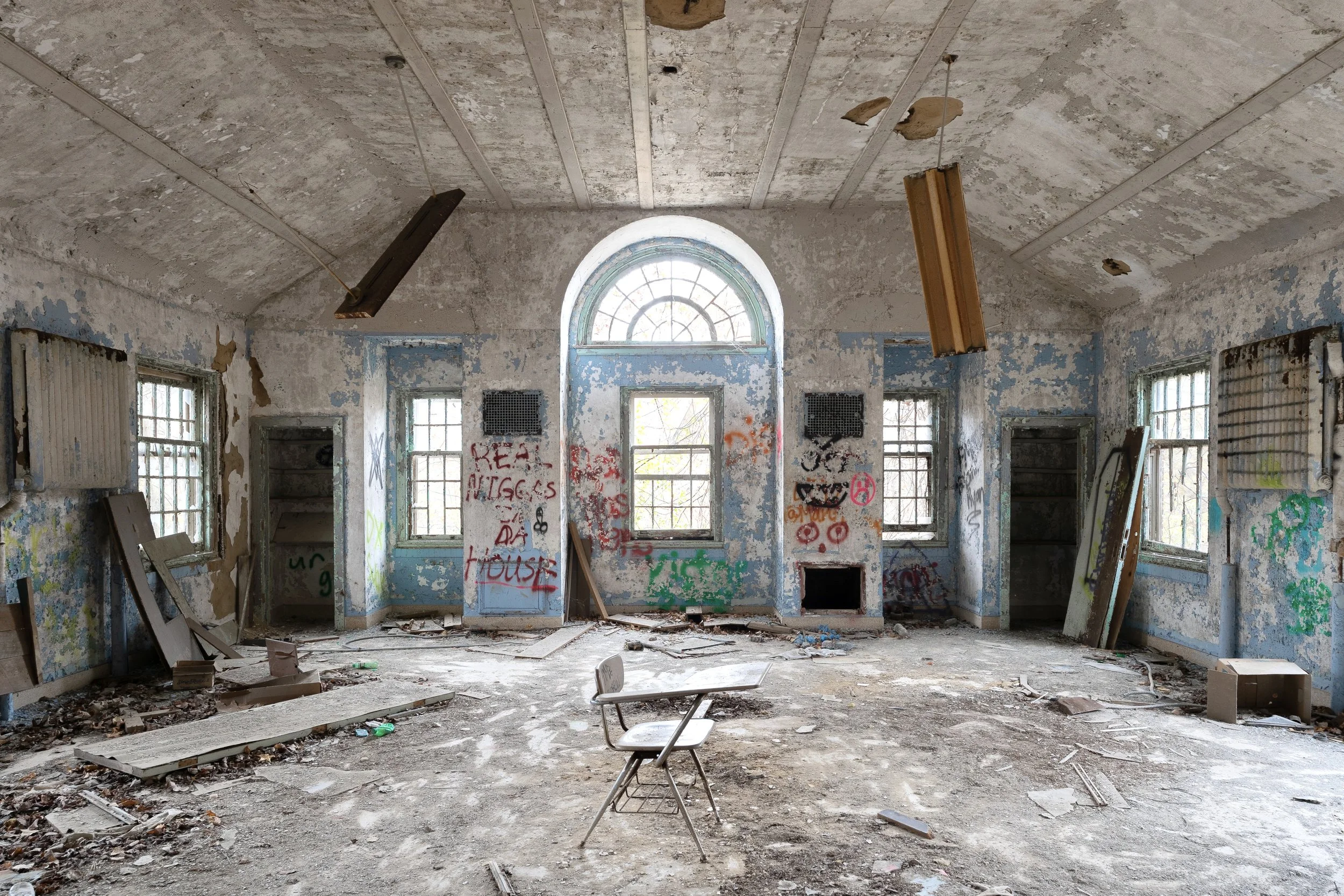
Open Patient Ward, Patient Cottage
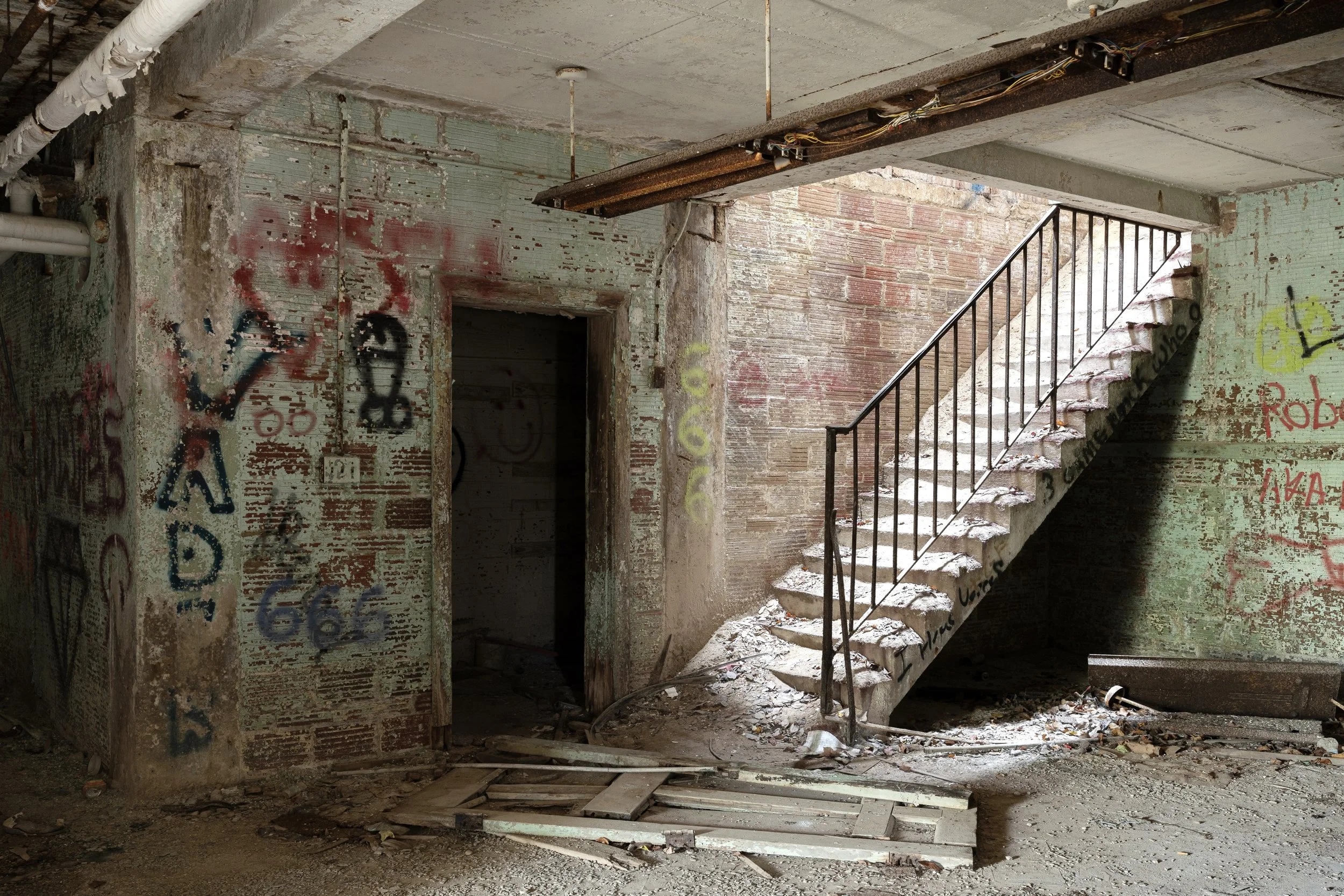
Light up the Stairs, Patient Cottage
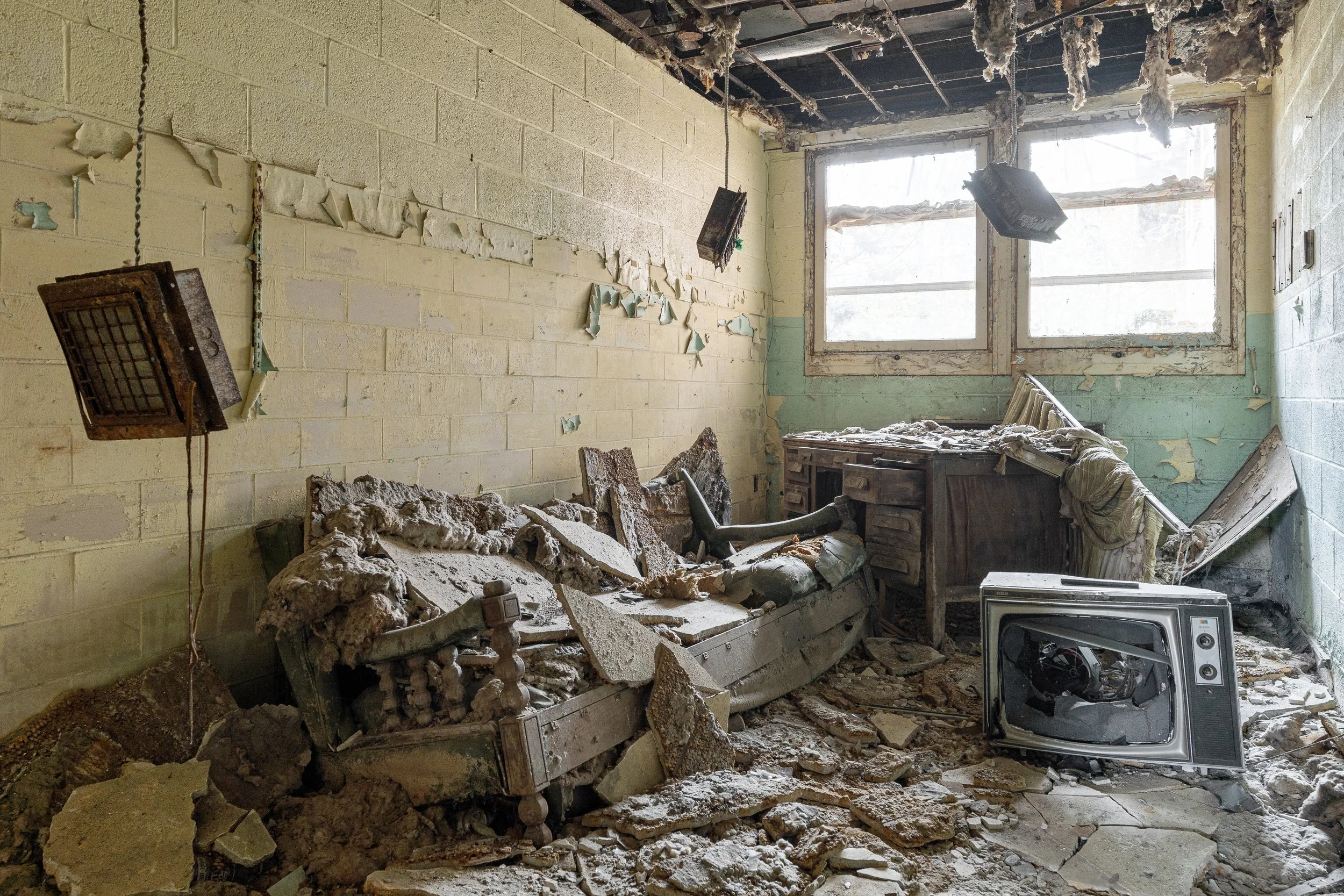
Enveloped Couch & TV, Newer Patient Cottage

Suitcase Graveyard, Staff Dorm
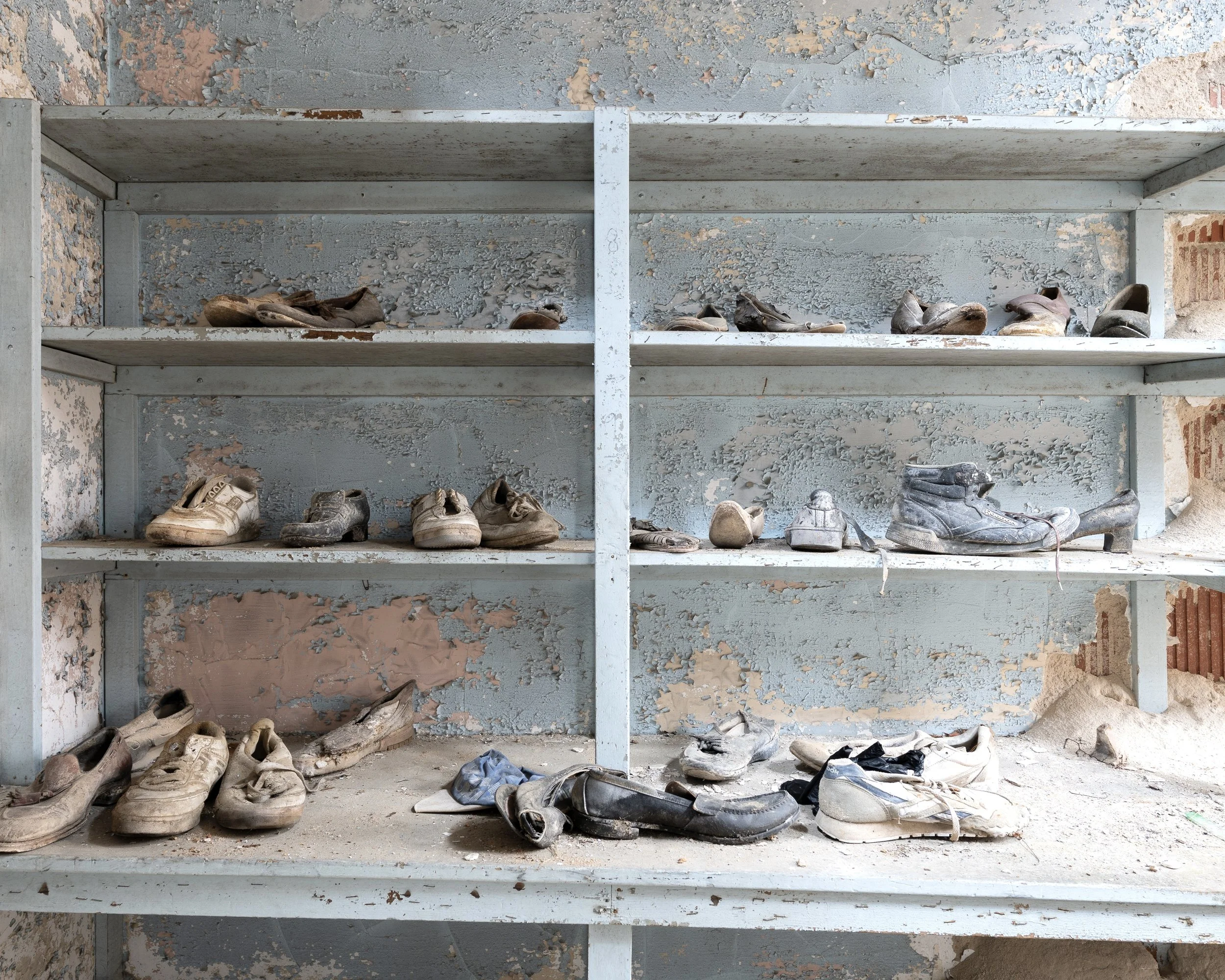
Shoes Left Behind, Staff Dorm

Empty Swings
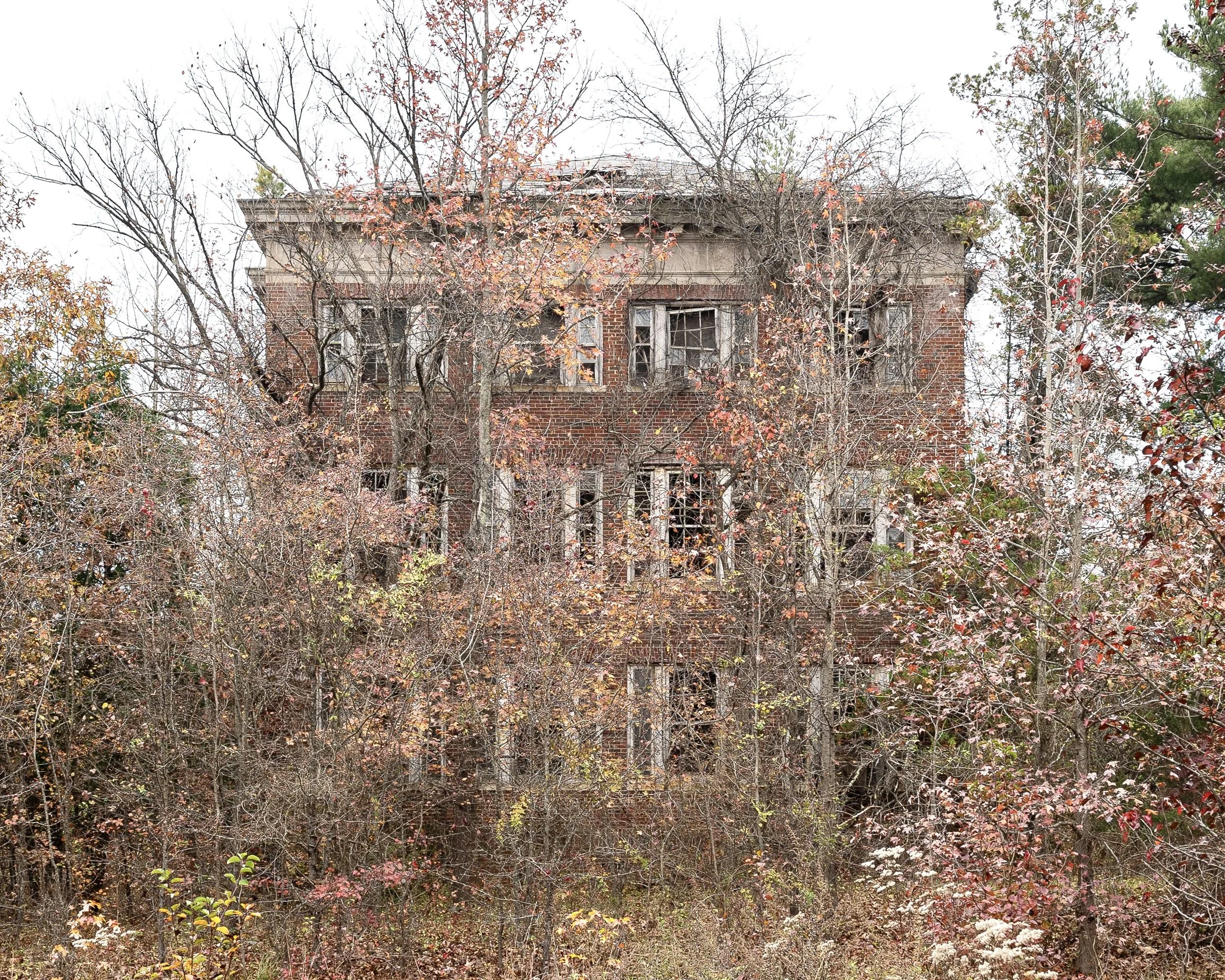
Enveloped by Nature, Administration Building/ Hospital

Rotted Couches, Staff Dorm

Old Storage, Patient Cottage
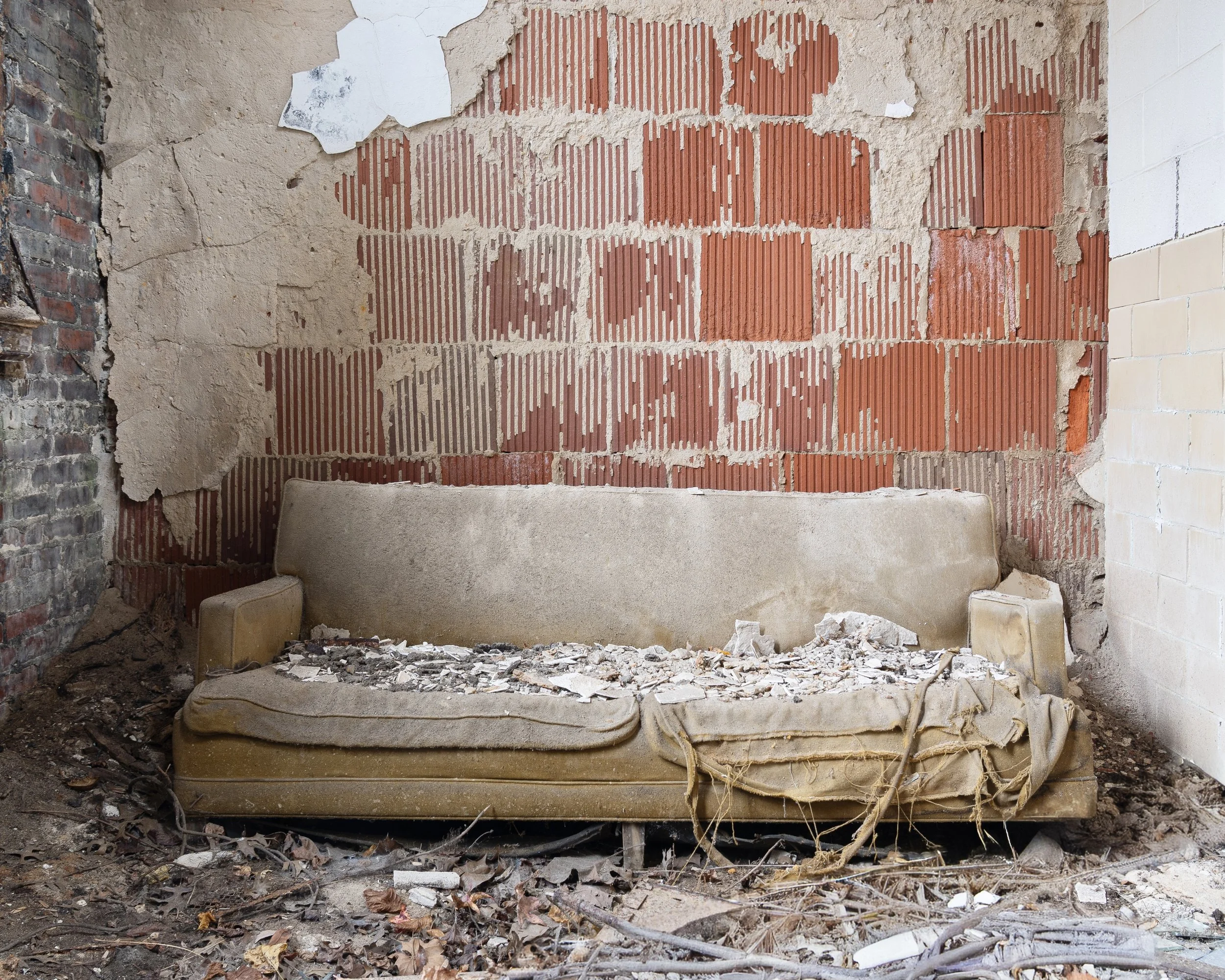
Couch of Plaster, Patient Cottage
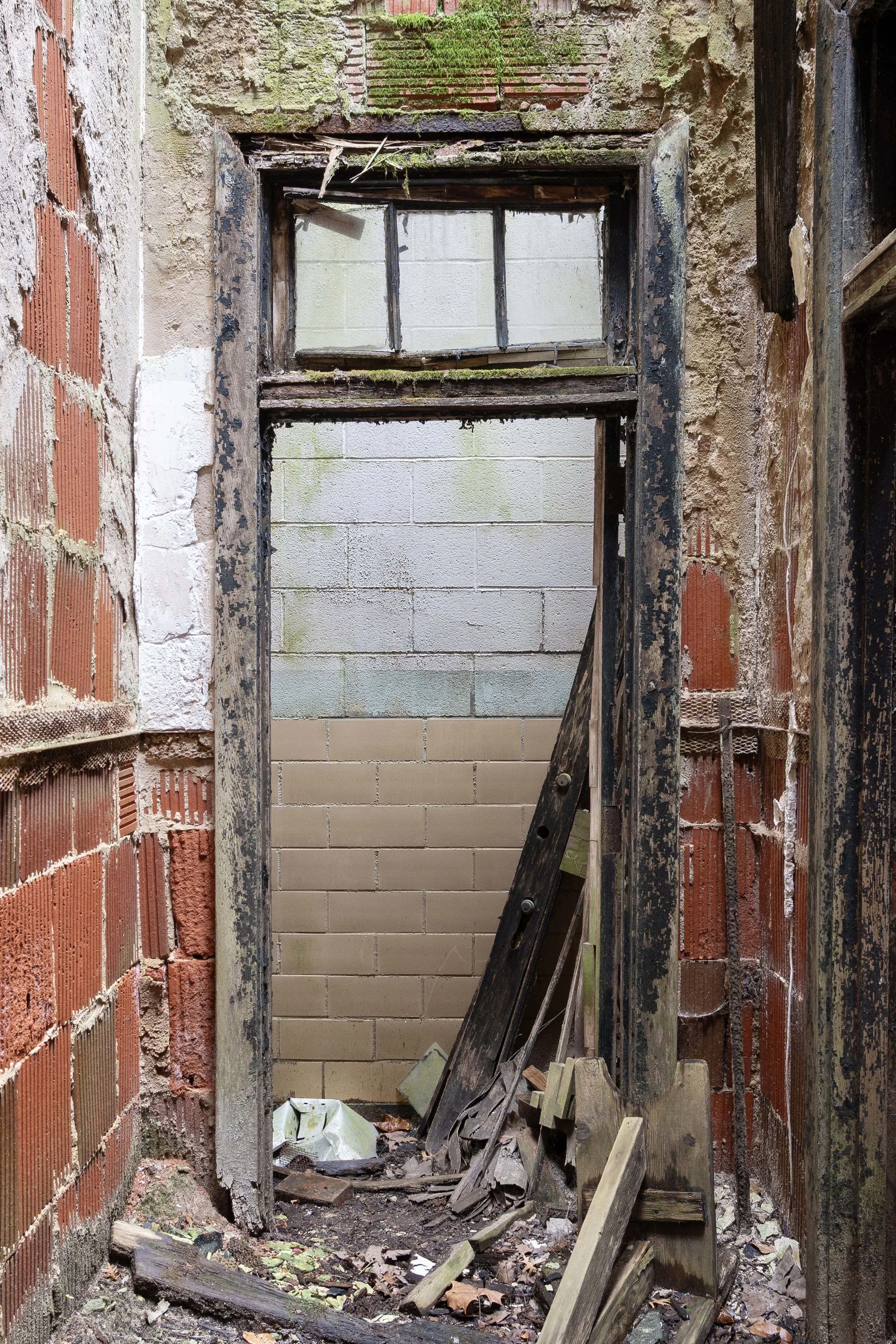
Rotted Doorway, Patient Cottage
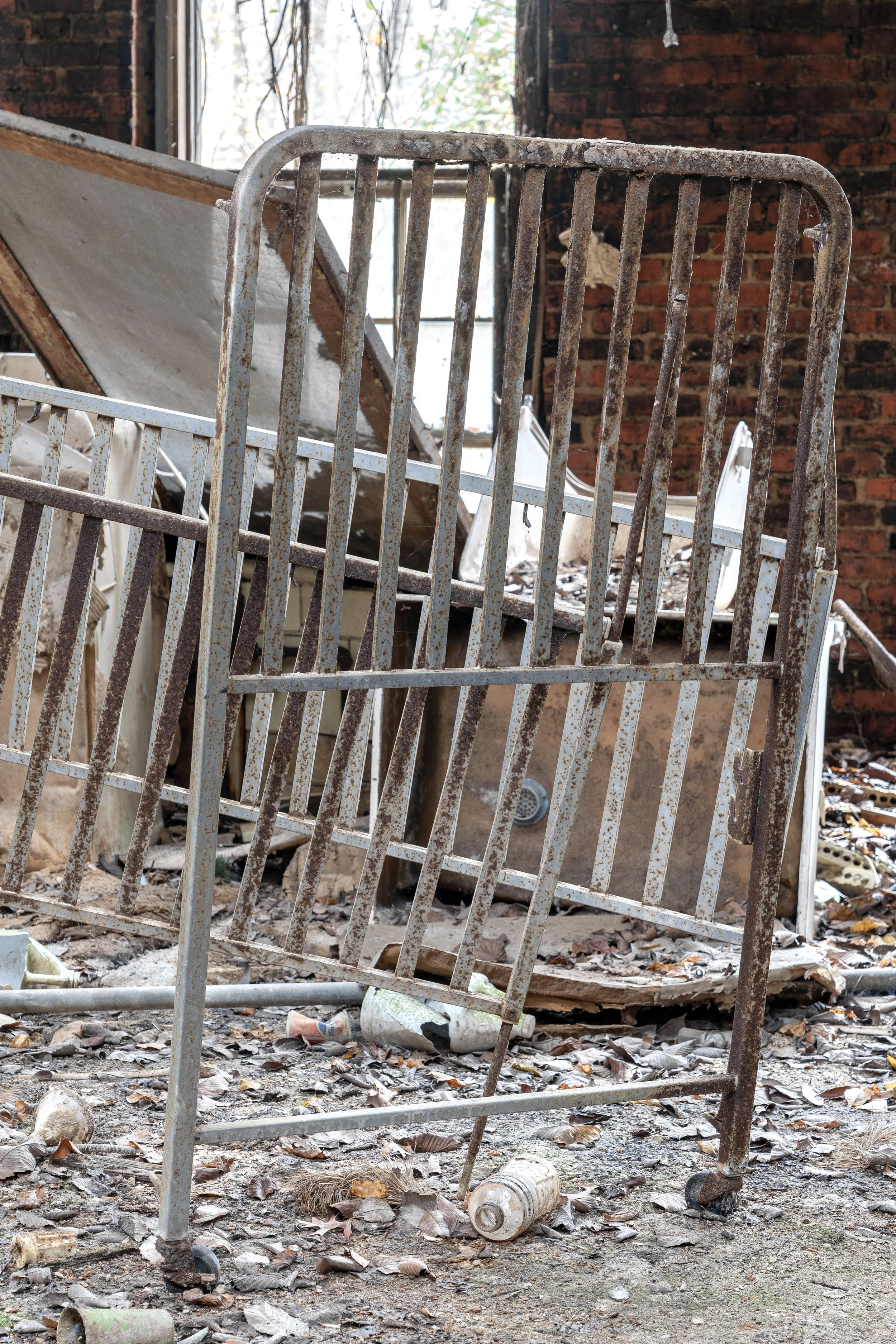
Old Crib, Patient Cottage
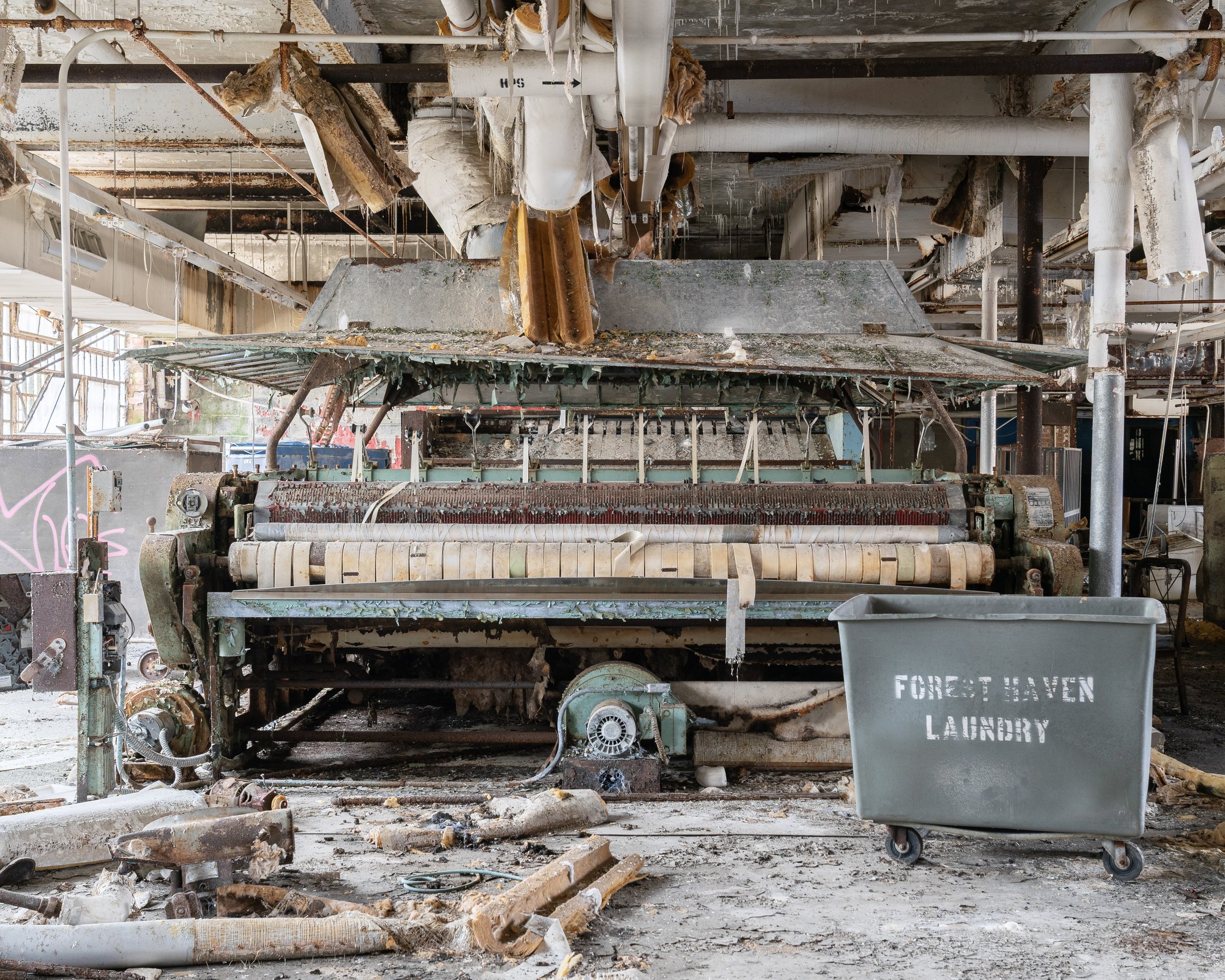
Laundry Services
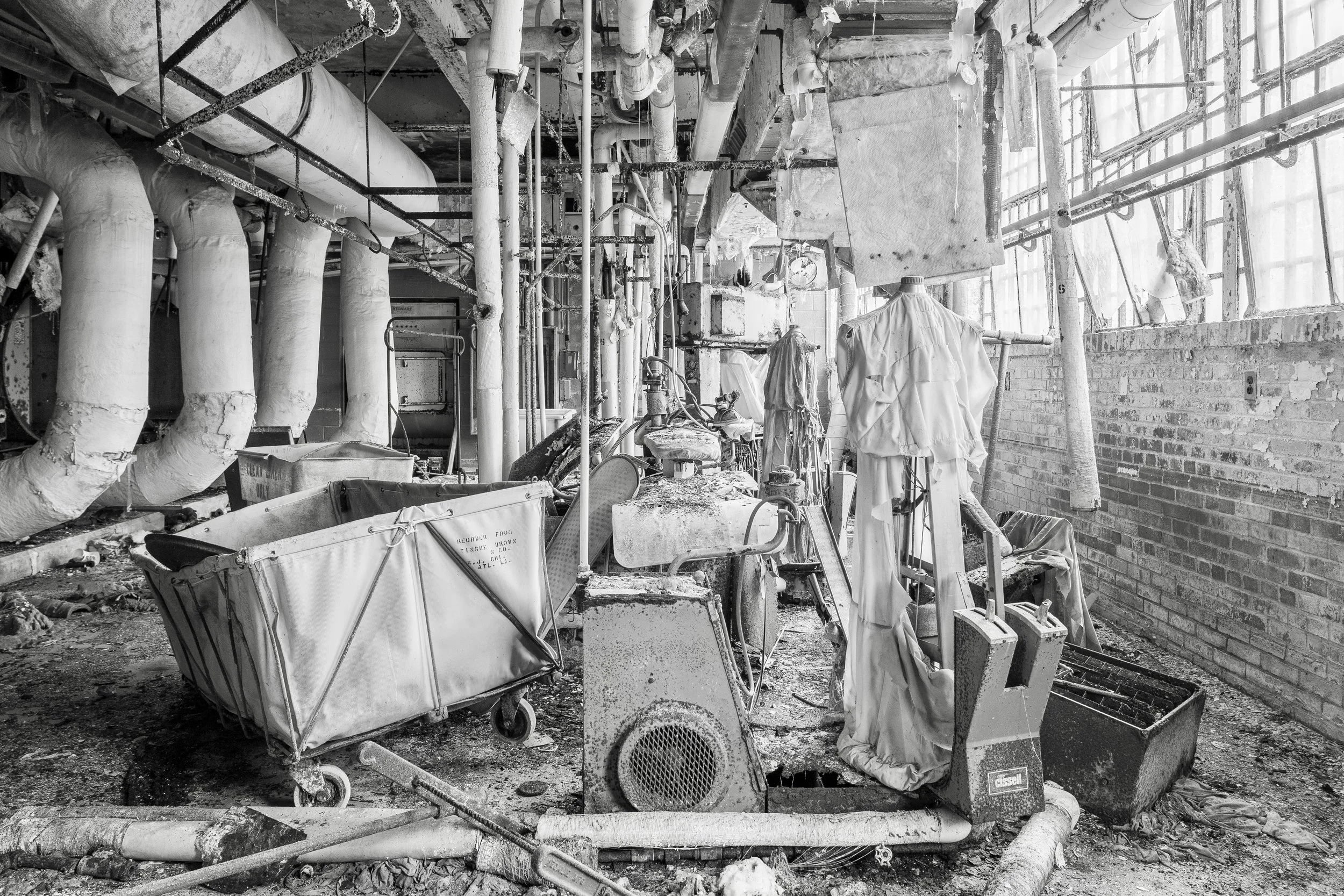
Laundry Services

Loading Dock, Laundry Services
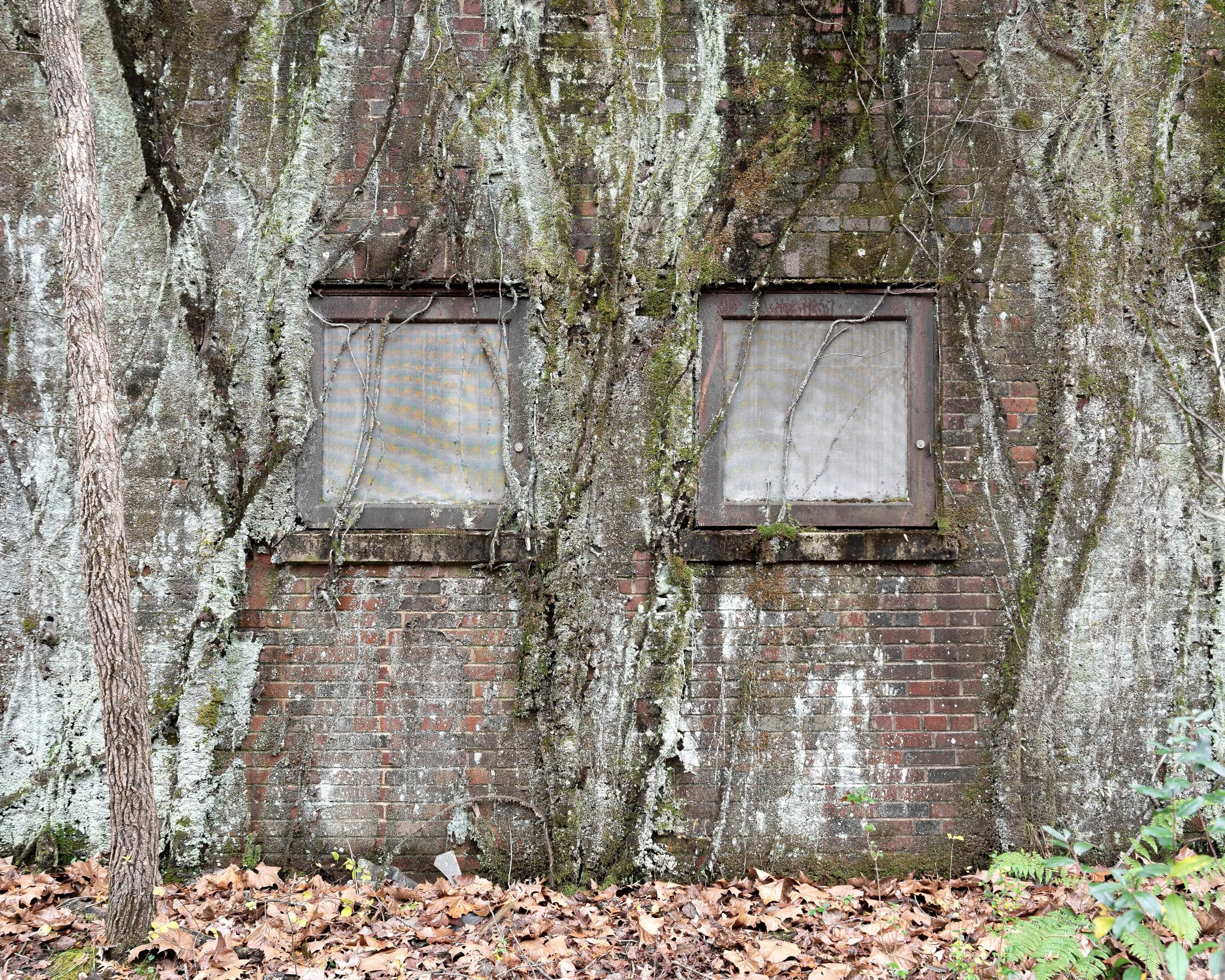
Nature Seeping In, Patient Cottage
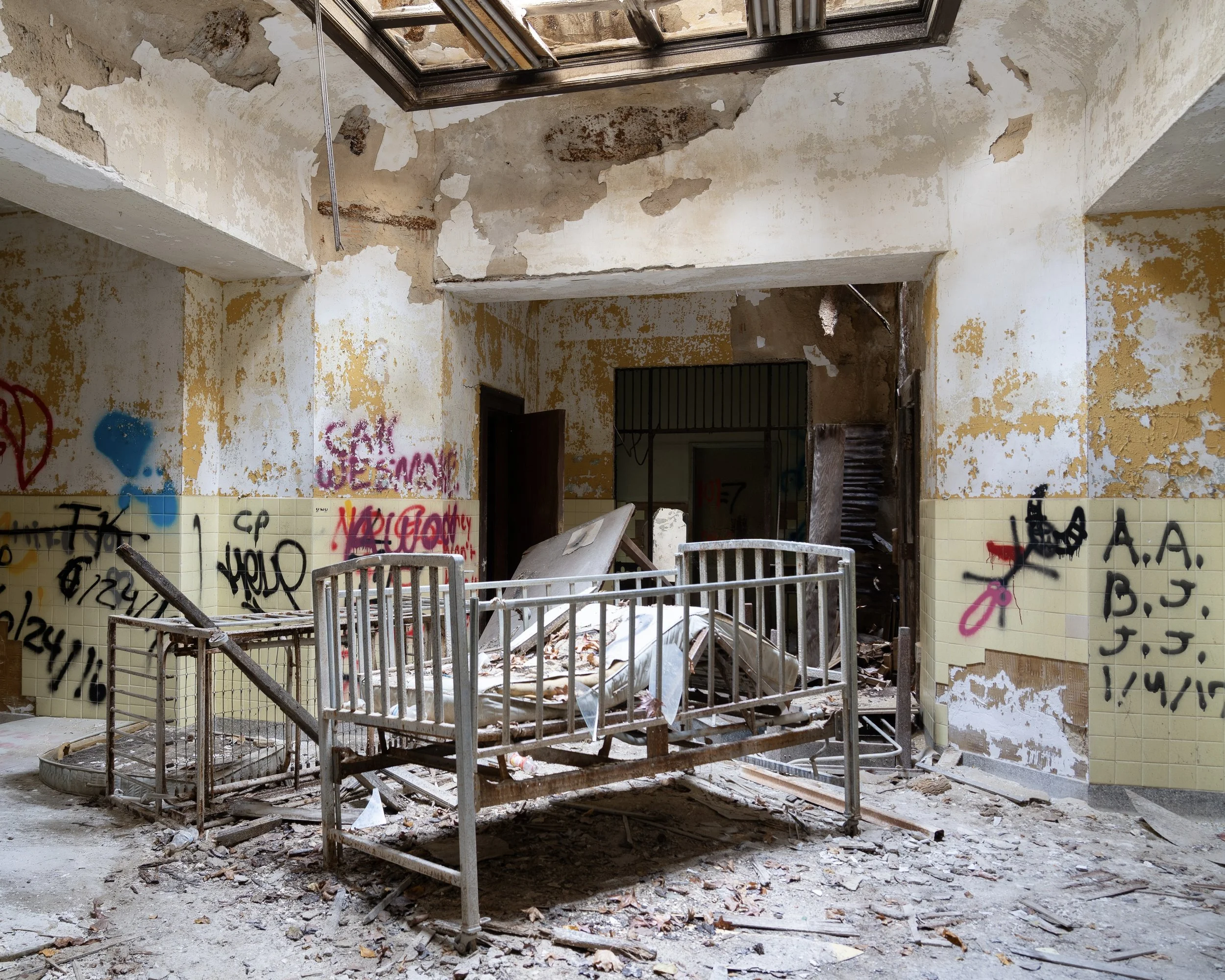
Old Crib Under Center Skylight, Patient Cottage
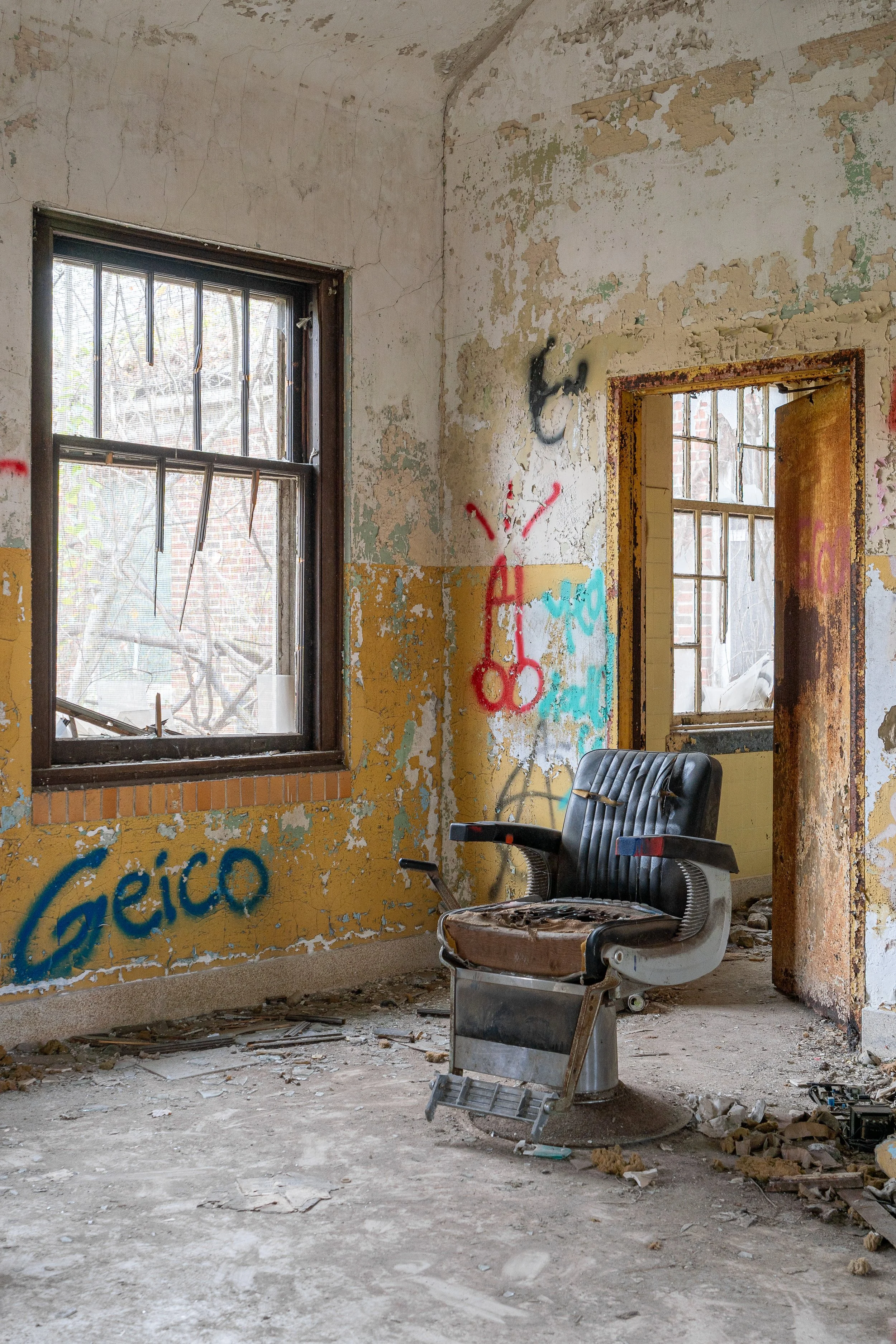
Exam Chair, Patient Cottage
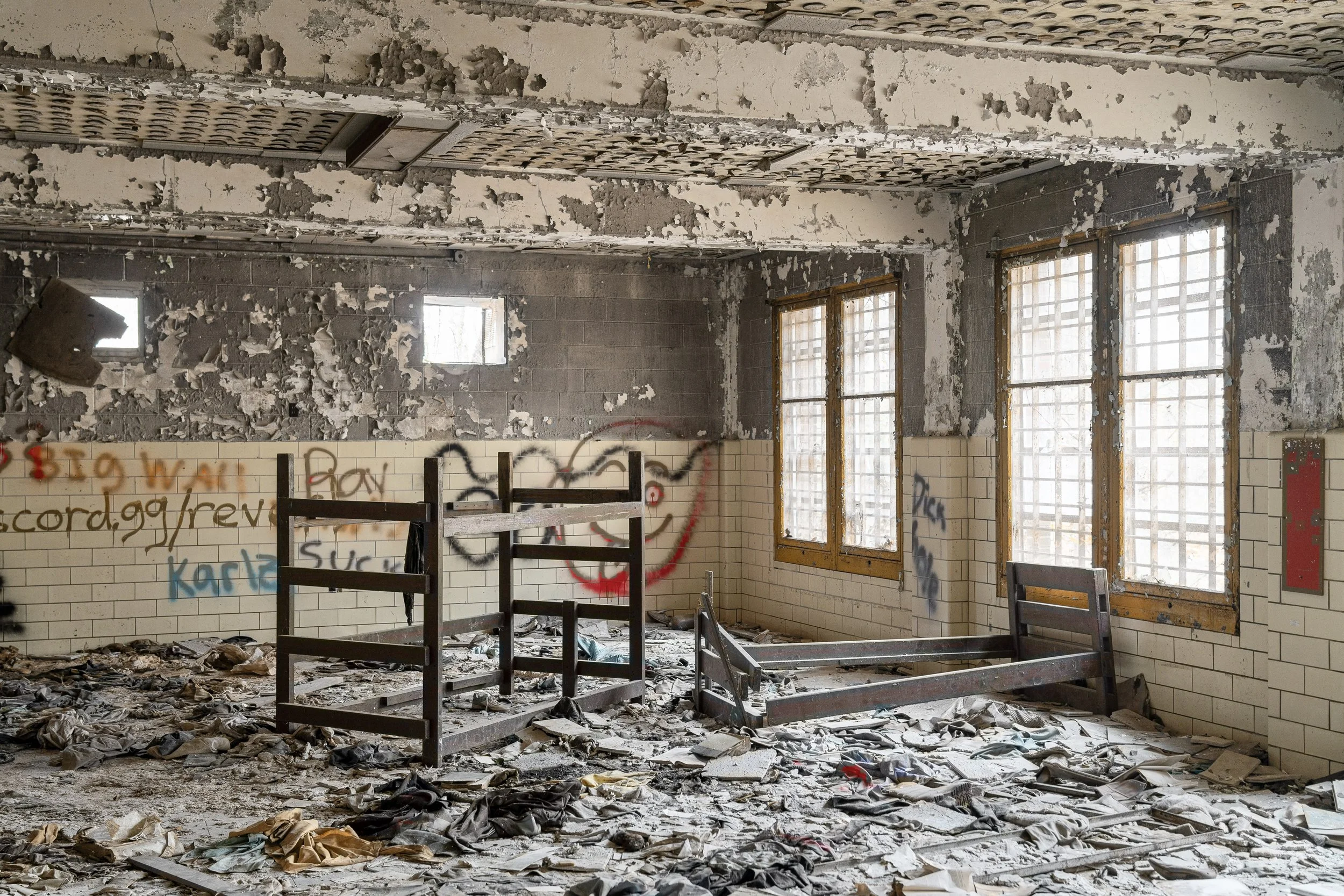
Dayroom Windows, Newer Patient Cottage
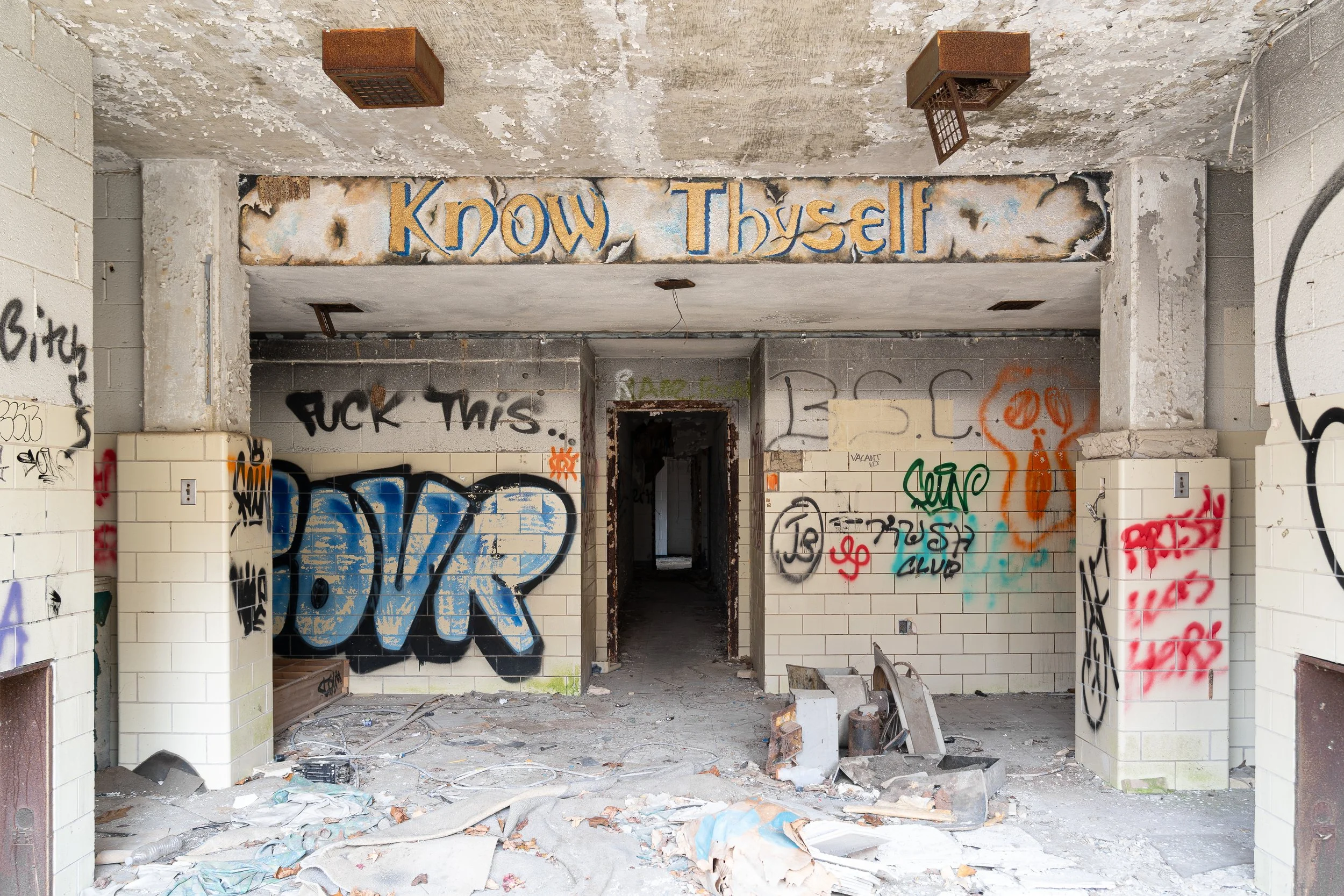
Main Entrance, High Security Ward

Hydrotherapy Tub, Patient Cottage
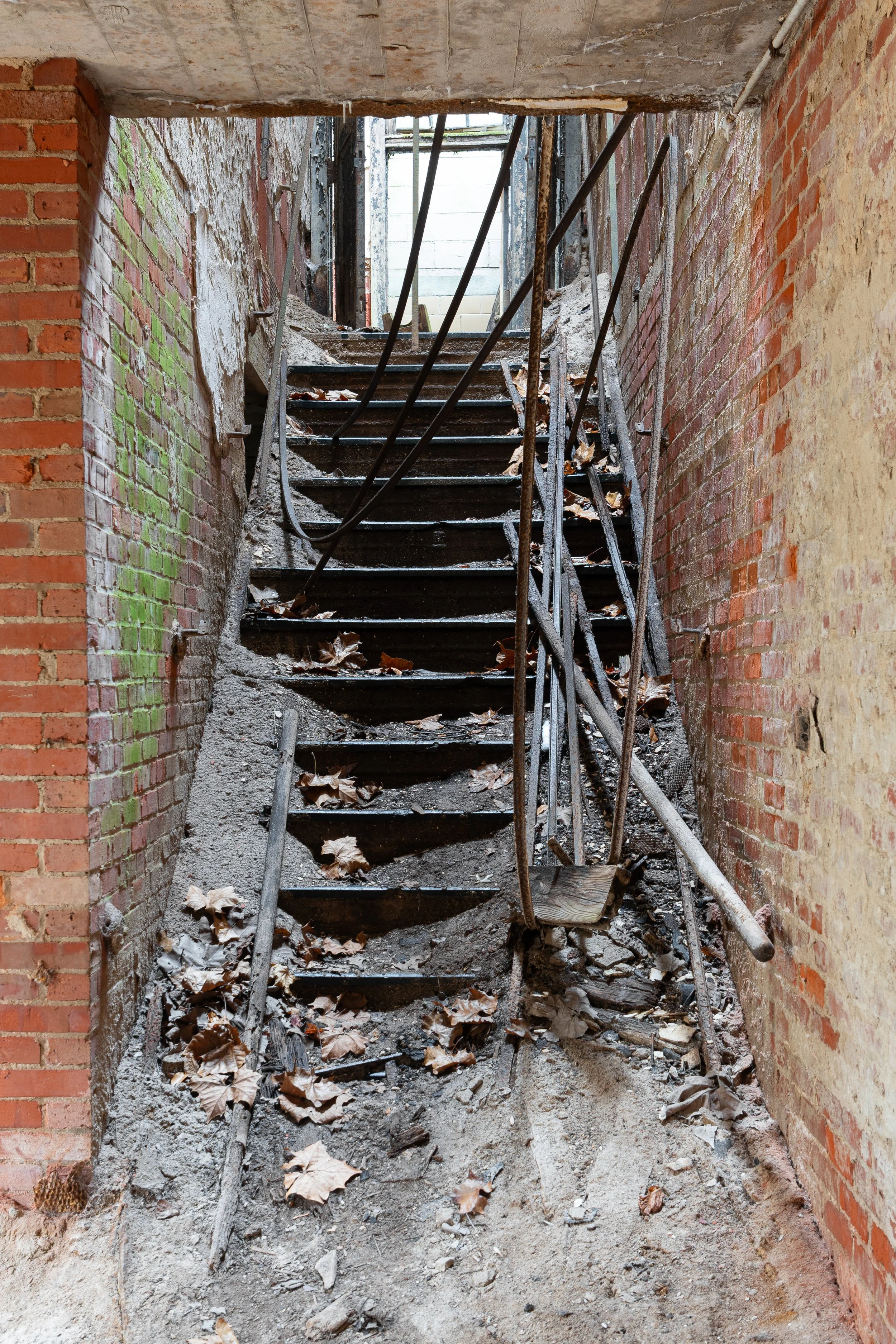
Staircase, Patient Cottage
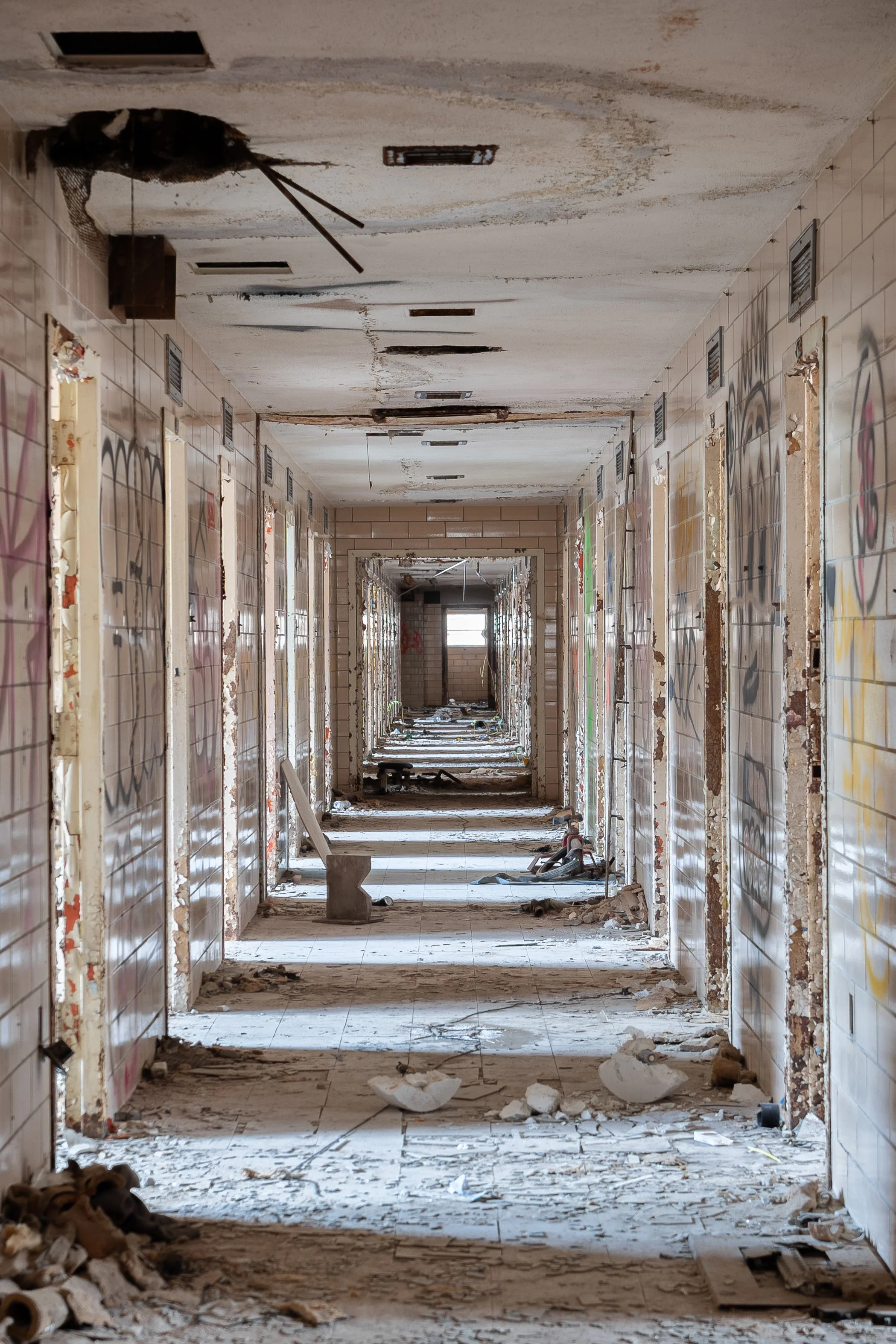
Long Tiled Hallway, High Security Patient Cottage
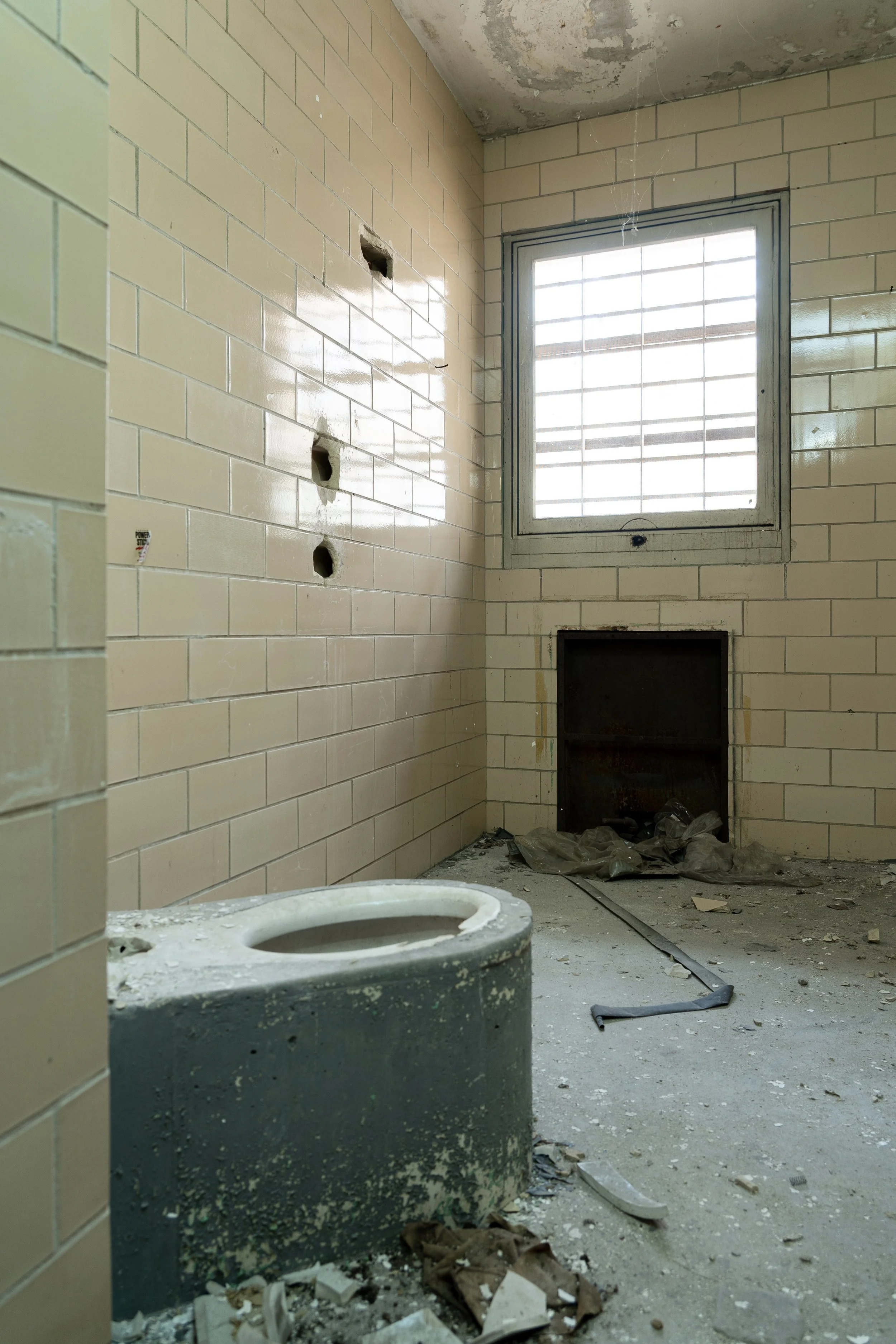
Cell, High Security Patient Cottage
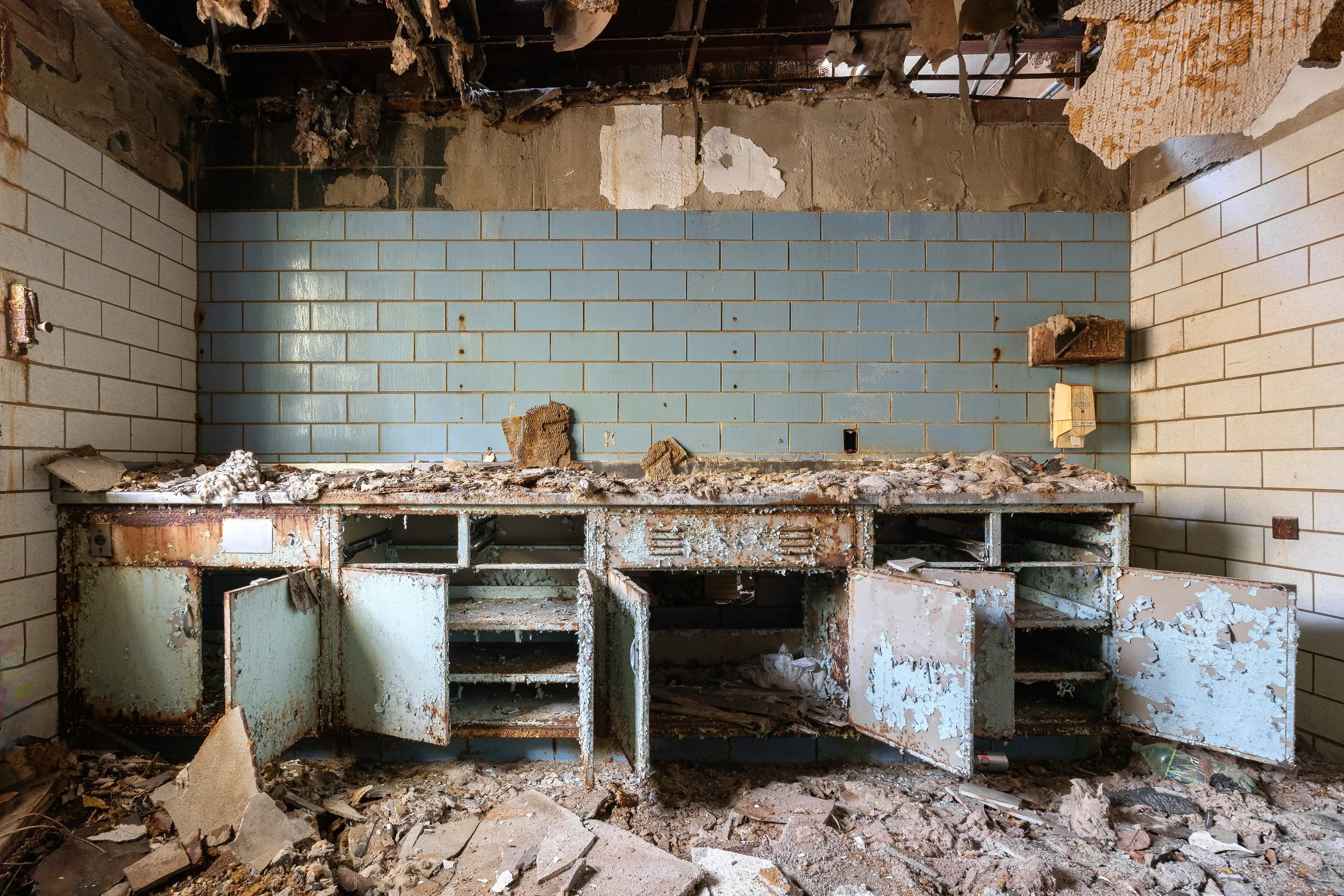
Tiled Lab Cabinets, Infirmary
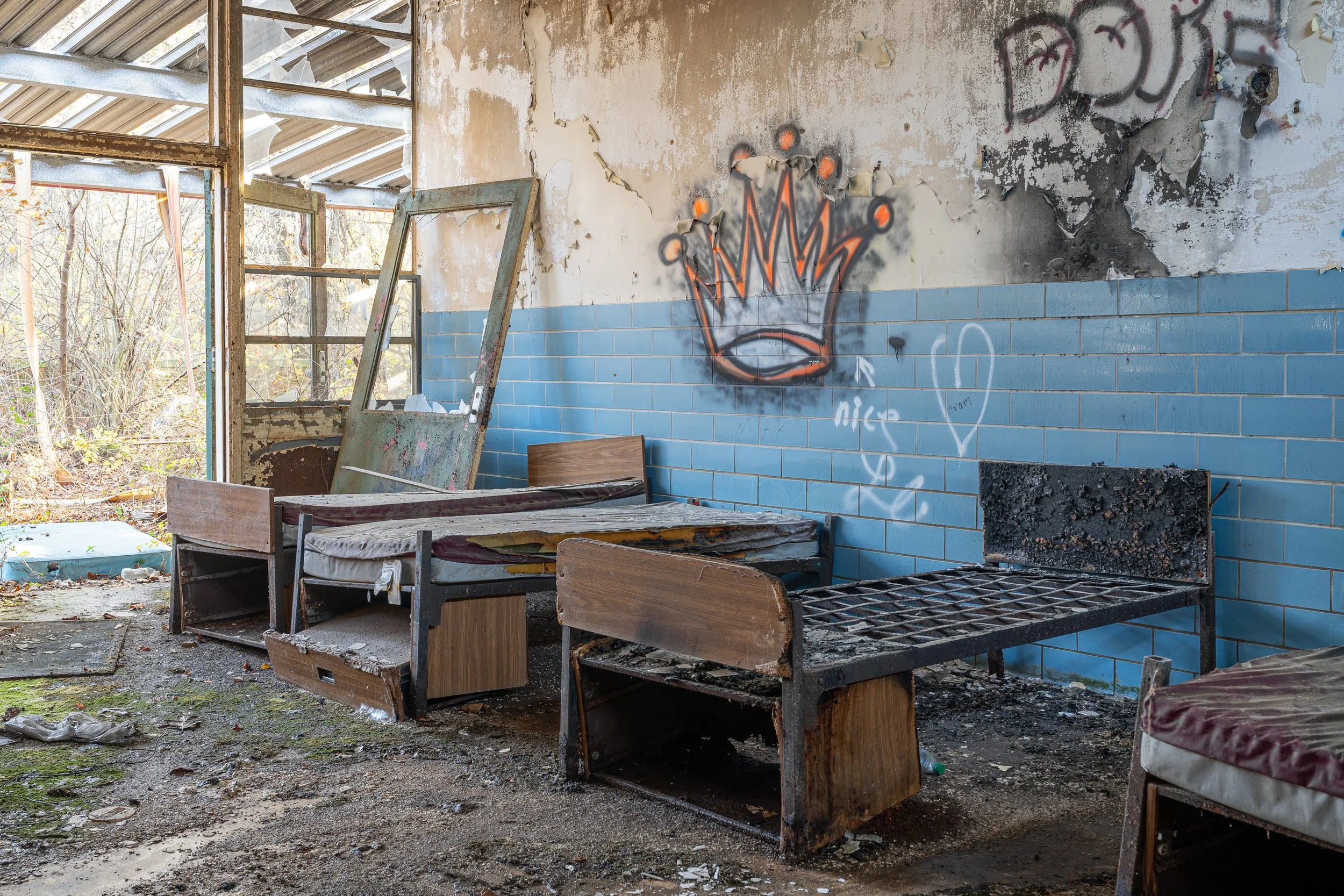
Patient Beds, Infirmary
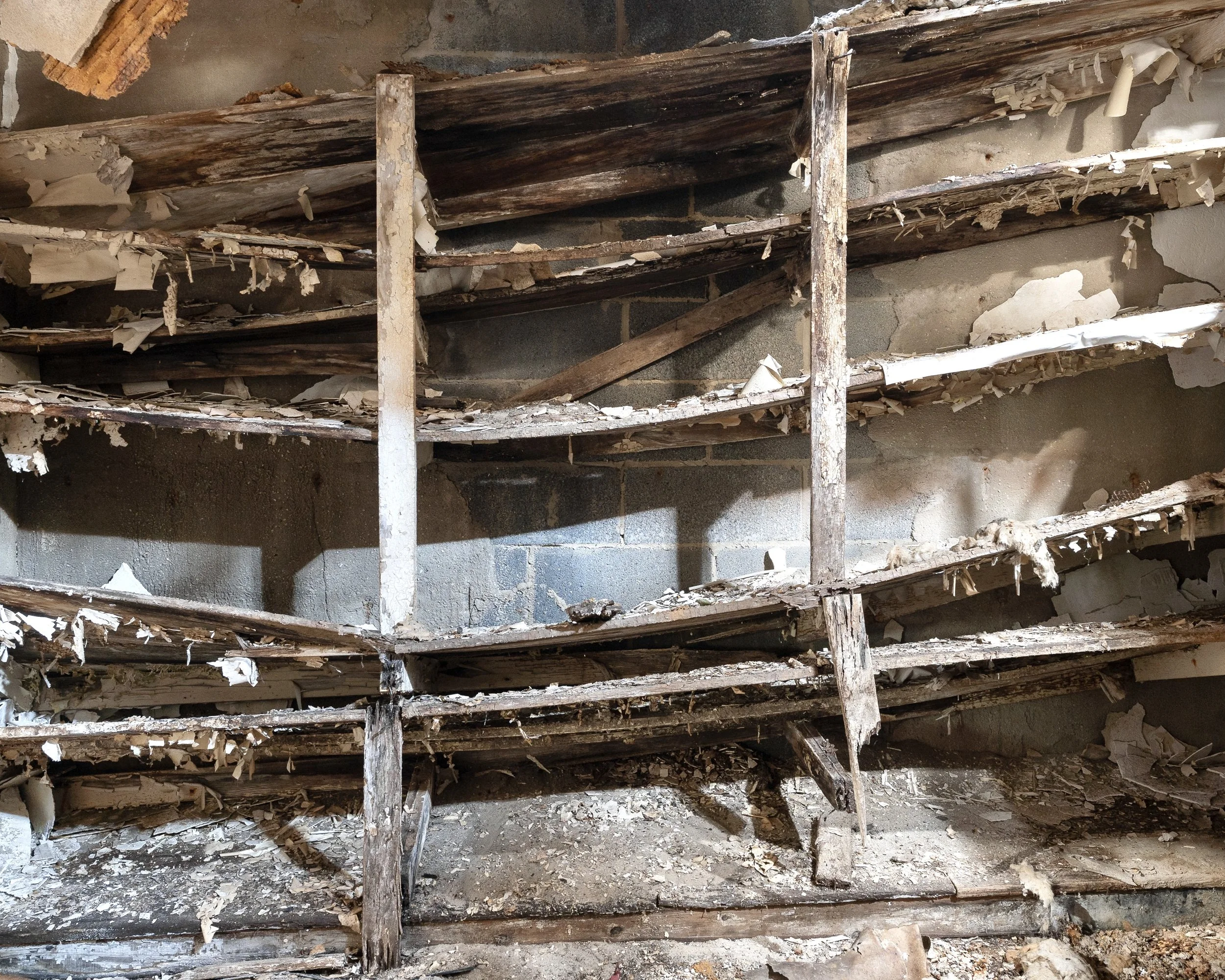
Warped Linen Shelves, Infirmary
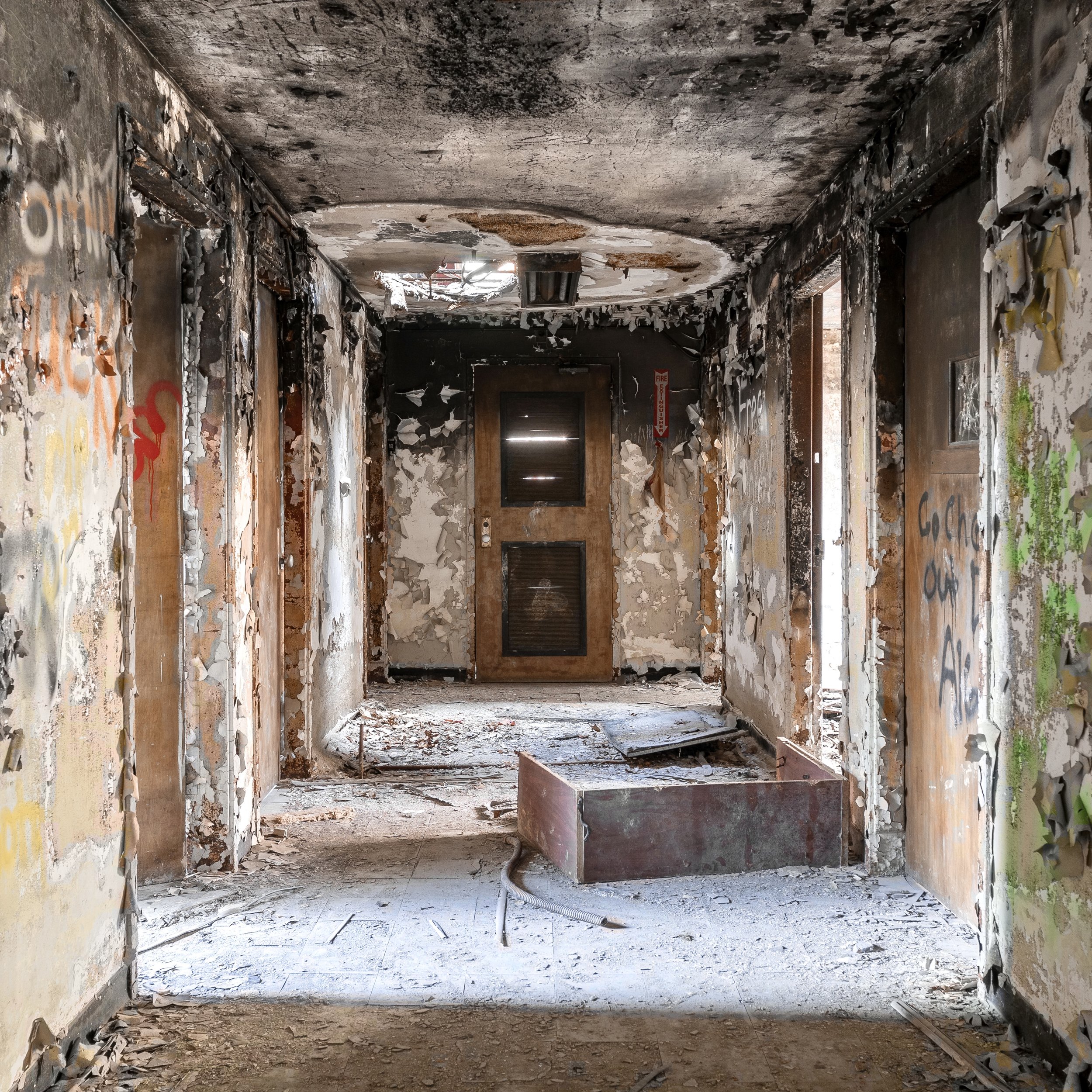
Patient Ward, Infirmary
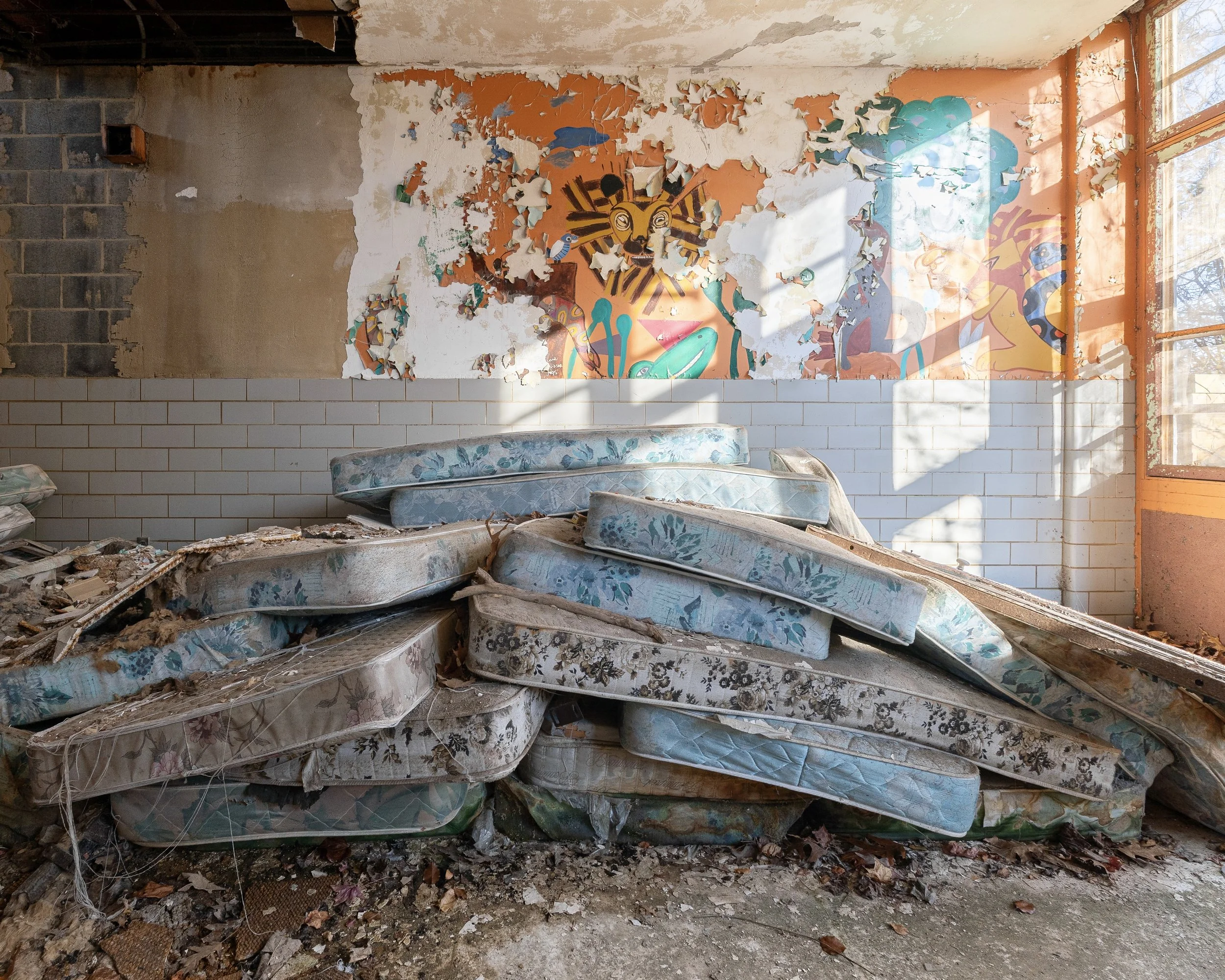
Bed Mattress Stack, Infirmary
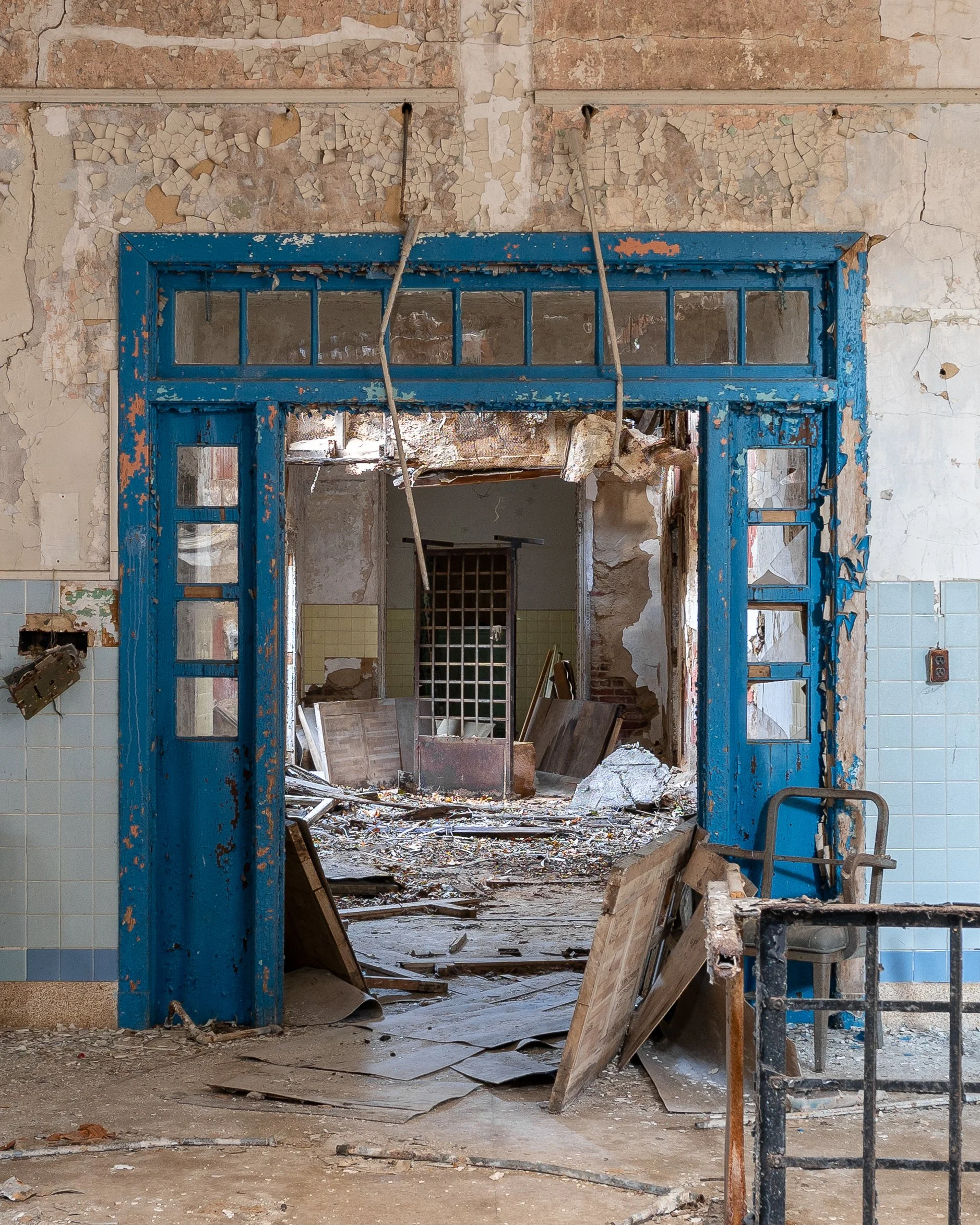
Corridor, Patient Cottage
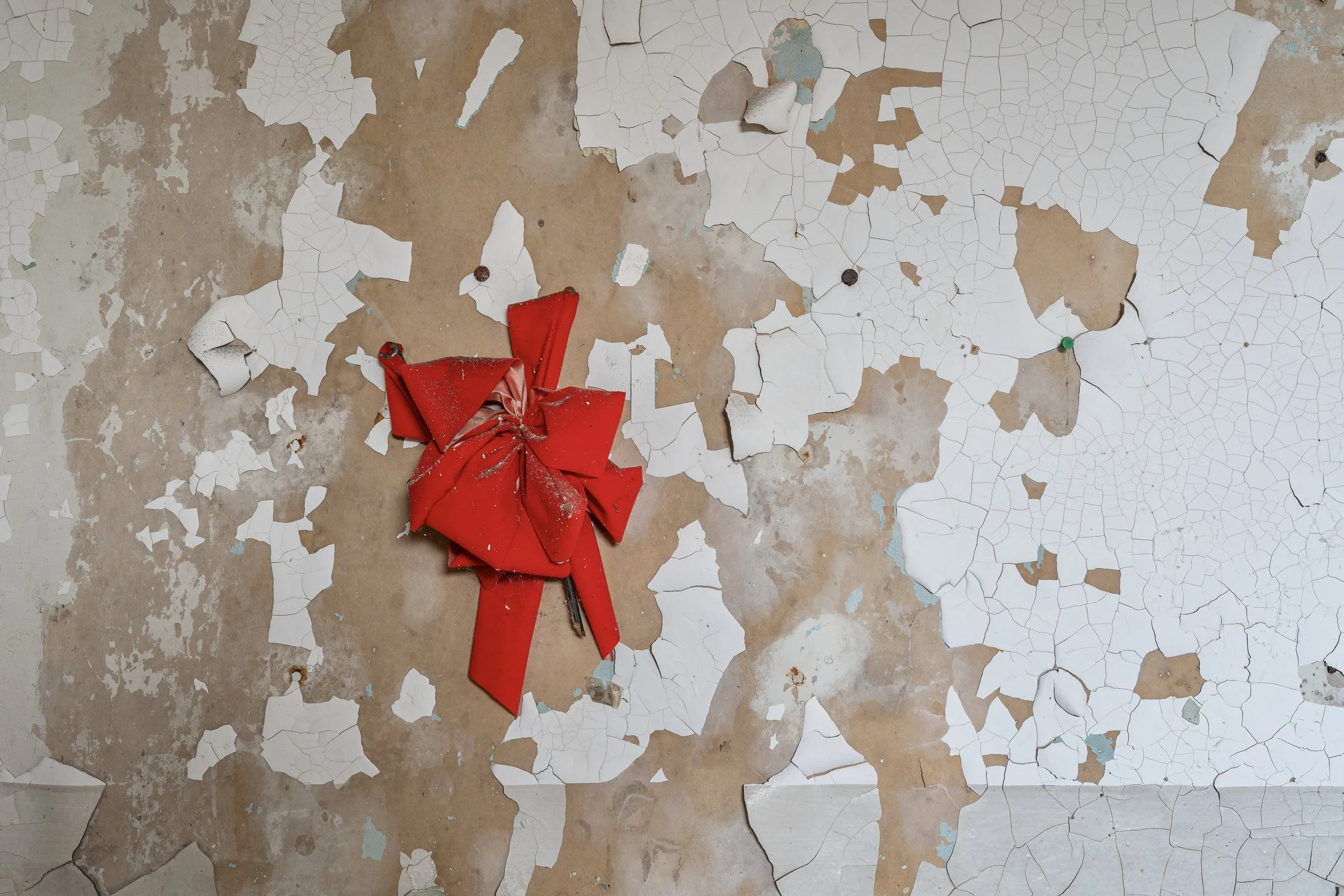
Holiday Decay, Patient Cottage
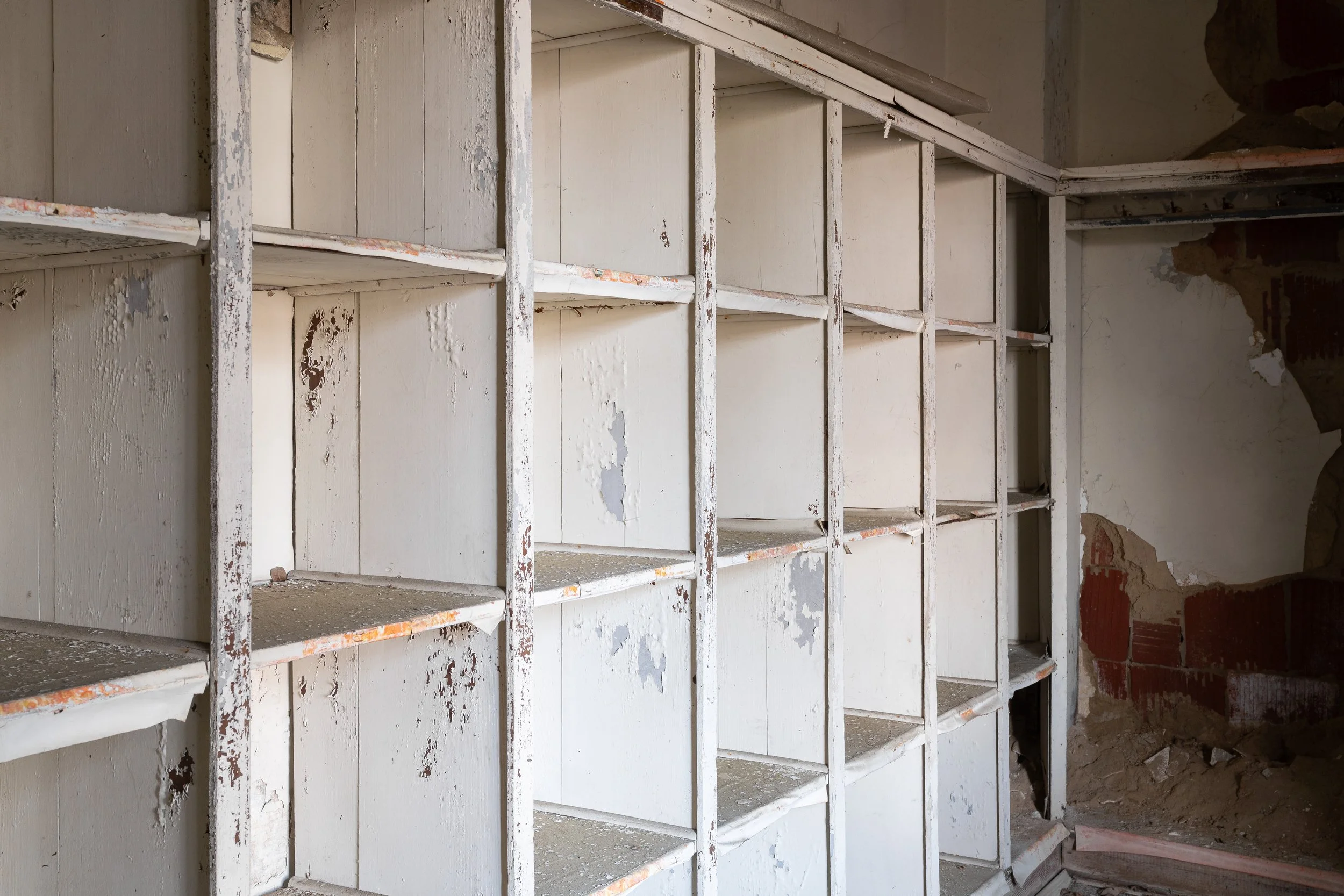
Linen Room, Patient Cottage
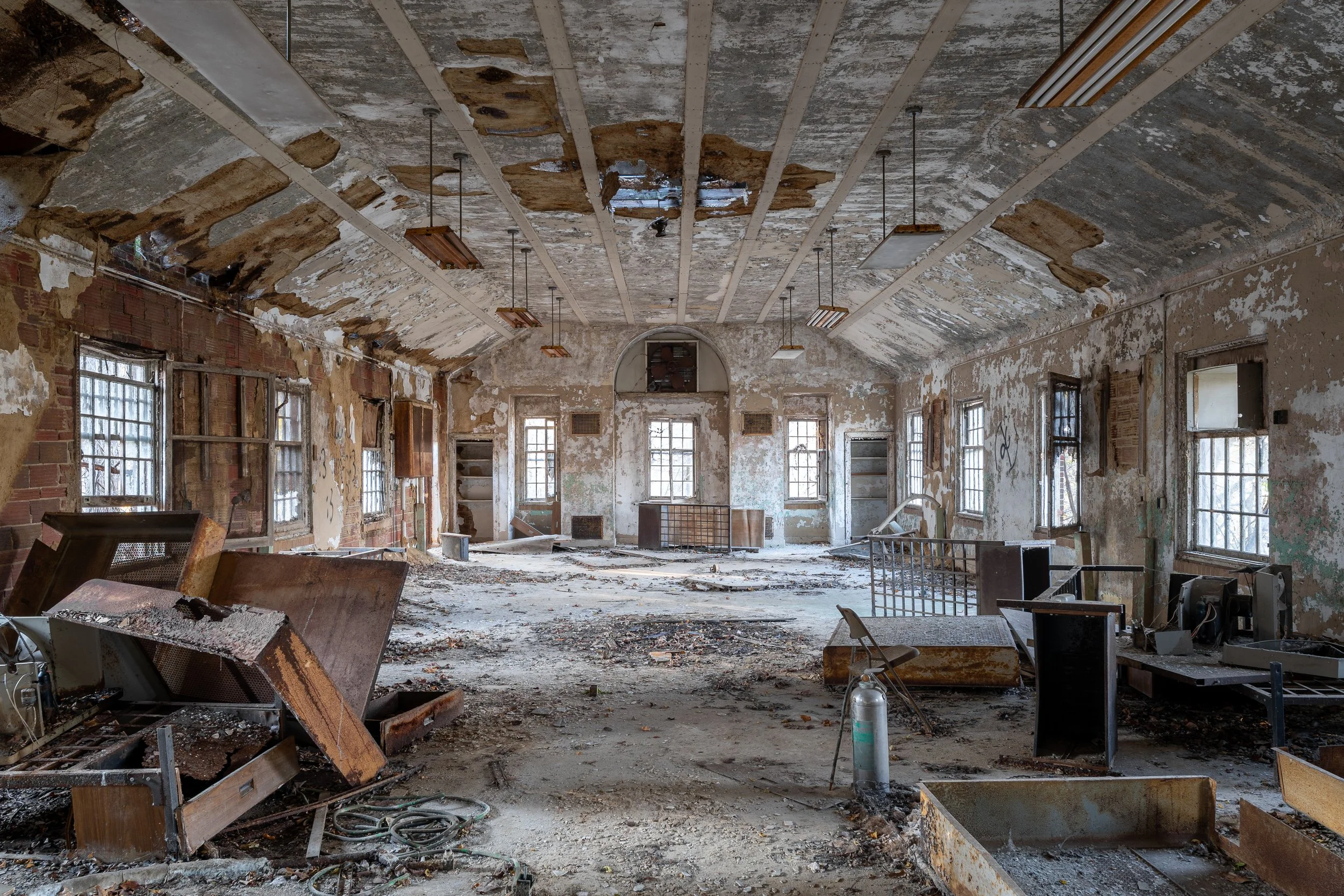
Open Patient Ward, Patient Cottage
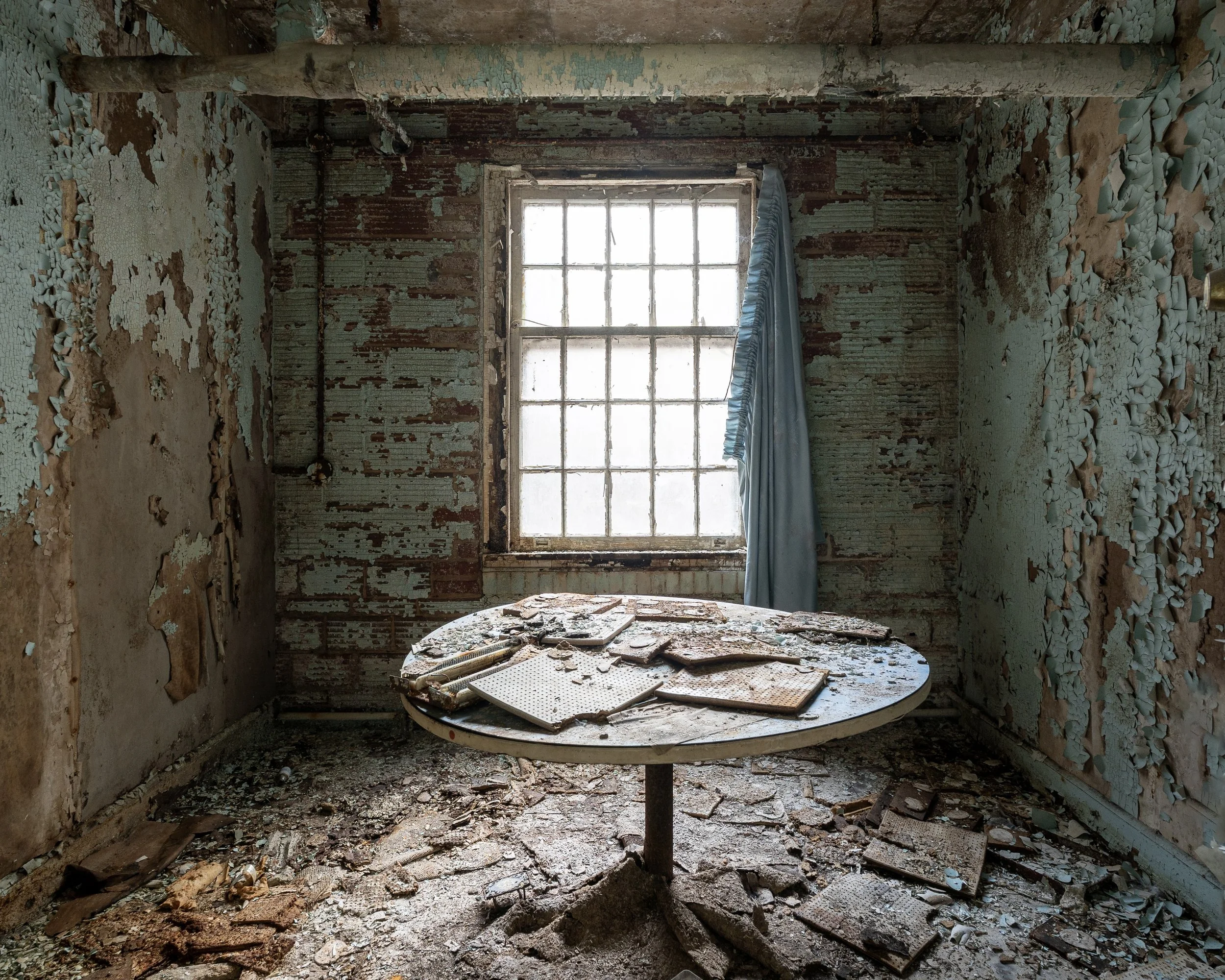
The Forest Haven State School & Hospital in Laurel, Maryland was an institution for individuals with intellectual disabilities which was opened with the idea of teaching and training residents how to function in society through learning useful life skills. Forest Haven, originally known as the District Training School for the Mentally Retarded, and later recognized as the Forest Haven Asylum was opened in 1925 as a farm colony, with the idea and execution of teaching residents to farm. This included milking cows, and planting and taking care of crops while being taken care of by staff through medical treatment, exercise, and daily routine planning. The Forest Haven complex was built within a quiet, wooded area with a sprawling campus built over the course of time after replacing the Washington Home for Colored Idiots which had closed perminately prior to the rise of Forest Haven. Forest Haven’s campus would make up approximently 300 acres with 22 buildings. The majority of the campus layout consisted of cottages where patients would dorm, such as the Beech Cottage, the Oak Cottage, and the Maple Cottage, as well as other buildings serving different purposes such as the original medical building/ administration building, the Chapel, the Food Services building, Staff Dormitories, the Laundry Building, the Power Plant, and more. Throughout Forest Haven’s life, other buildings would be built, such as the Martha Elliott Infirmary, more modern style cottages such as the The Morris Cottage, the Poplar Cottage, the Spruce Cottage, and the Hemlock Cottage, which would serve as a secure unit. The last building to be constructed at Forest Haven in 1971 would be the Helen Curley Building which served as housing for 200 of the most severely disabled residents. The Curley building was built at 70,000 square feet, making it the largest building on the complex. At its peak, Forest Haven housed approximately 1,300 residents with the majority being from the District of Columbia. 1963 is when the facility officially became Forest Haven as terms such as “retarded,” “idiotic,” were retired for terms such as “mentally disabled.” Societies views of mentally disabled patients would begin to change, which foreseeably would lead to a decline in numbers at Forest Haven as findings of abuse, and neglect were discovered upon investigations. It was reported that Forest Haven had become a “dumping ground” for children with special needs. For example, children with dyslexia, hearing impairment, or autism would be dormed with severely disabled residents, completely erasing any hope for indivdualised care, and with overcrowding of residents, and not enough staff, residents were to discovered to be abandoned and unatained. Throughout times of journalism exposure, sexual abuse, physical abuse, psychological abuse, and medical neglect would be discovered and exposed. It had seemed that Forest Haven’s original purpose would be lost. There were no more teachings of farming, no more athletic and social programs due to lack of funding, and every dorm became overcrowded, dirty, and horrifying. Finally, after many lawsuits and federal decisions based on investigation reports, Forest Haven would officially be shut down in 1991 after decades of horrific mistreatment, and death resulting. Finally, residents of Forest Haven would be released, and the facility would be quiet, abandoned, and lifeless for decades to come. Despite patrols from the United States Park Police, It didn’t take long for curious individuals to find their way onto the dilapidated site of horror. Squatters, vandals and thieves began making their way around the campus as well as photographers, urban explorers, and ghost hunters traveling long distances to explore the long-abandoned facility. Today, small portions of the campus have been brought back to life, with a military training center occupying some of the old buildings, and a juvenile detention center was built on property, surrounding the dozens of abandoned, destroyed, and overgrown buildings on campus. Forest Haven continues to sit in ruin as a resemblance of its dark past, and it will likely continue to decay and be vandalized for years to come.